
Getting Started
How to Line a Tattoo: Needle, Stroke, Voltage and Hand Speed
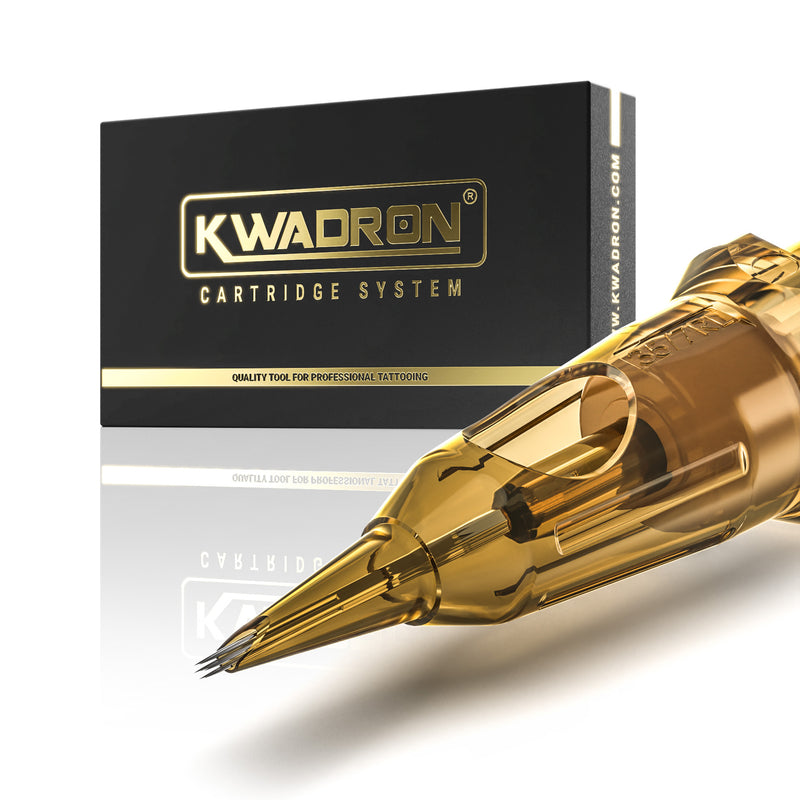
How tattoo lining works: round liner choice, a harder stroke, starting voltage, needle hang, stretch and hand speed, practiced on synthetic skin under a mentor.
Topic
Apprenticeship, licensing, bloodborne-pathogens training, practice skin and a first setup. Learn on practice skin and under a licensed mentor, never on people without a license.
Getting Started
How tattoo lining works: round liner choice, a harder stroke, starting voltage, needle hang, stretch and hand speed, practiced on synthetic skin under a mentor.
Getting Started
How a professional tattoo session runs, in order: consultation, station setup, skin prep, stencil, lining, shading, color, cleanup, bandage and aftercare.
Getting Started
There is no fixed time to learn tattooing. What decides it: drawing skill, the apprenticeship, your state's license rules and practice hours, by milestone.
Getting Started
The beginner tattooing mistakes that cost the most: tattooing people too early, wrong needles, overworking, voltage guesswork and stencils that smear.
Getting Started
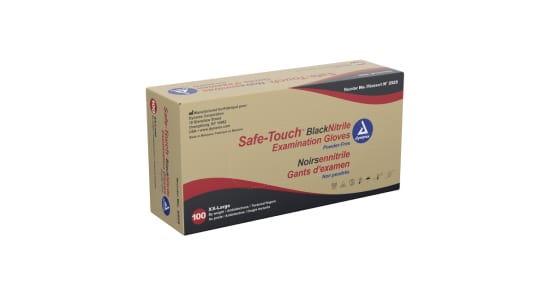
Do tattoo artists need bloodborne pathogens training? How OSHA's 29 CFR 1910.1030 applies, how state license courses differ, and what the course covers.
Getting Started
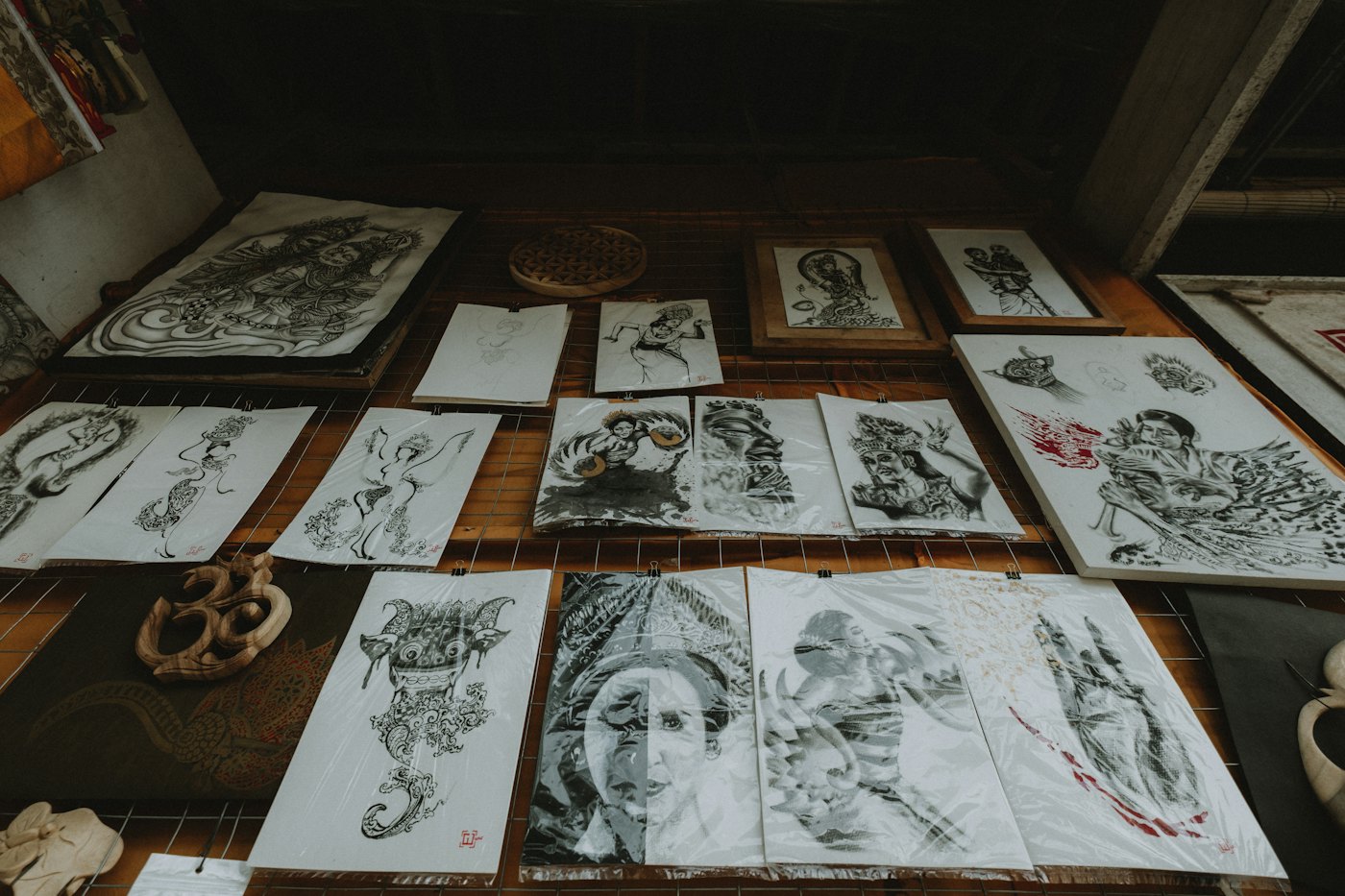
Florida tattoo artist license requirements from the Department of Health: age 18, approved bloodborne pathogens course, $60 fee, guest and shop licenses.
Getting Started
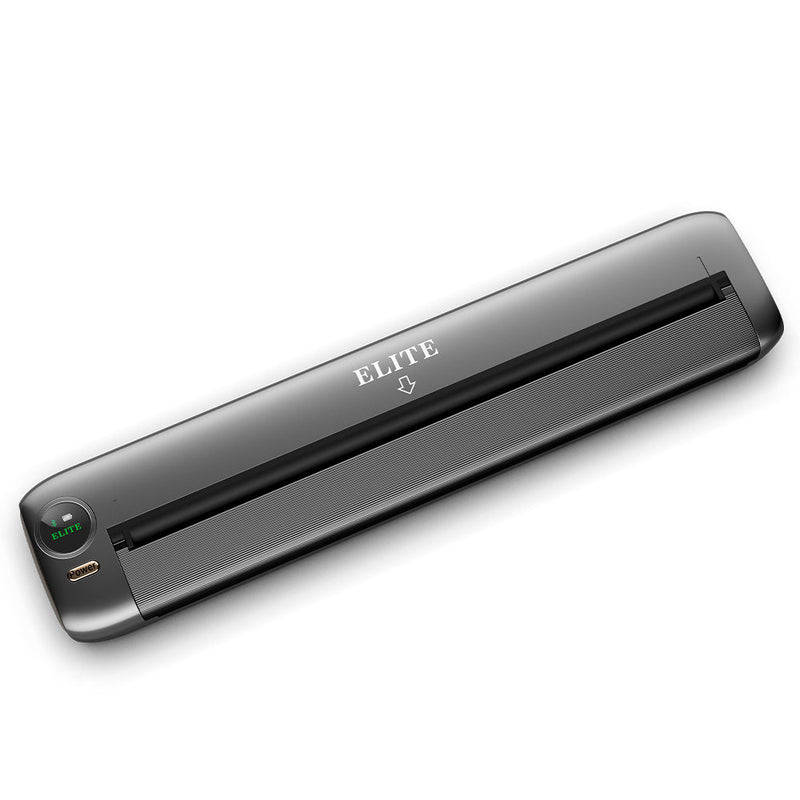
What you need to make a tattoo stencil: freehand or thermal paper, a thermal or inkjet stencil printer, stencil primer and remover, with real prices.
Getting Started
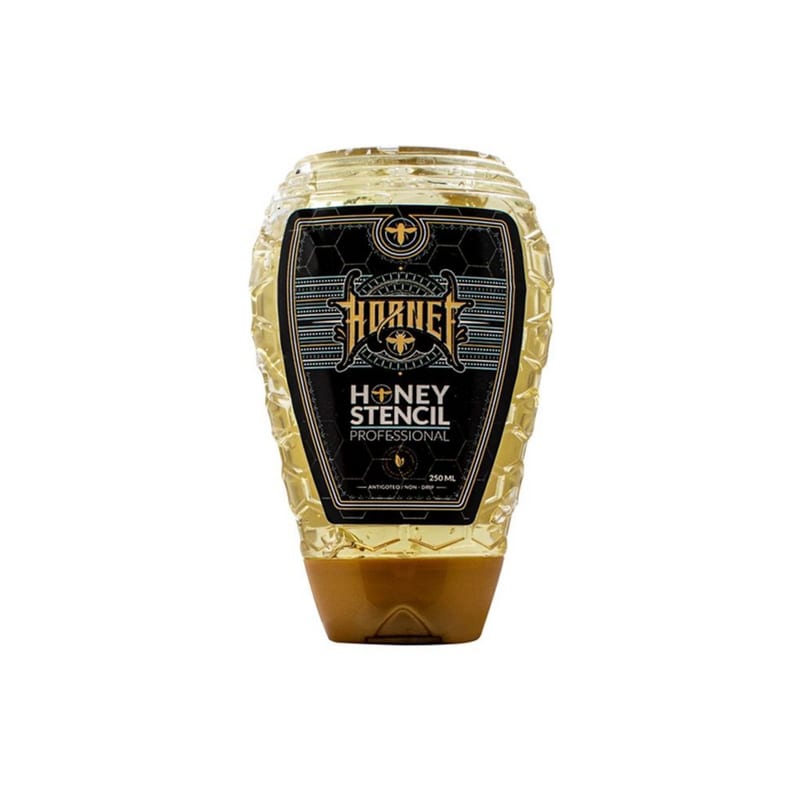
Apply a tattoo stencil that lasts the session: shave, clean, a thin coat of stencil solution, press without sliding, then let it dry fully before you start.
Getting Started
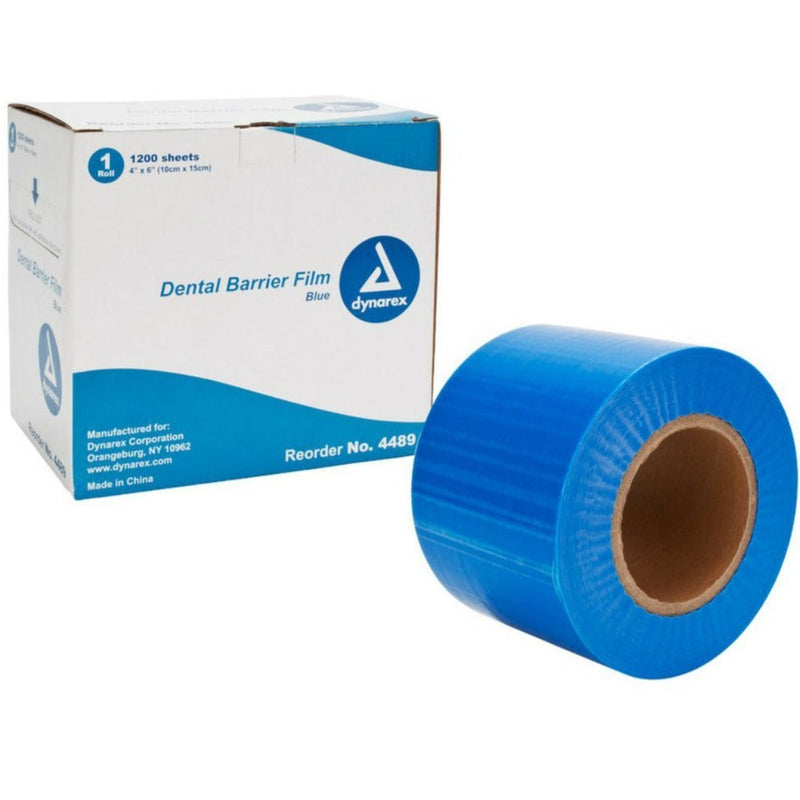
Set up a tattoo station in the right order: disinfect, barrier, bag the machine, pour single-use ink caps, then break down safely. With Florida's rules.
Getting Started
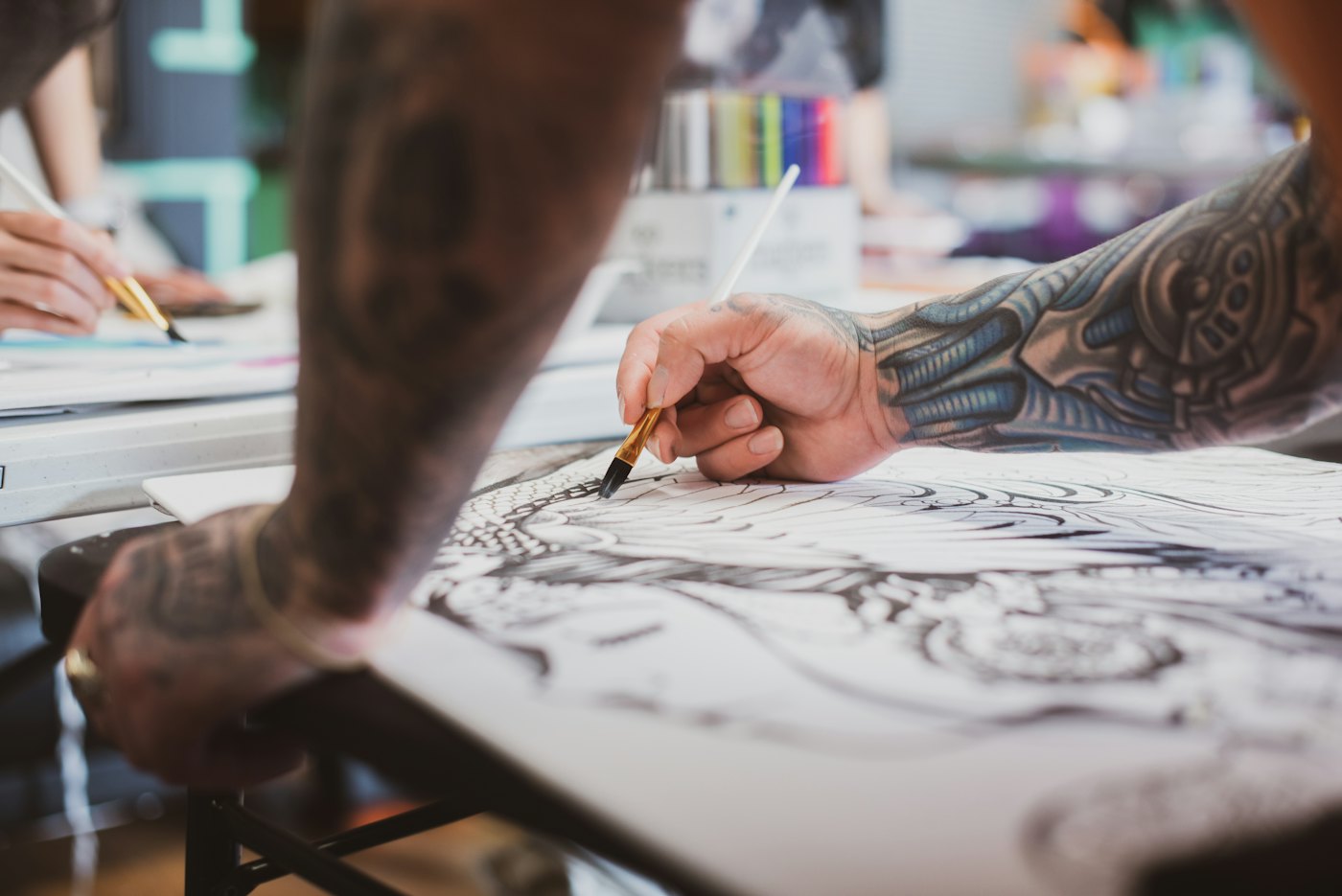
A staged supply list for tattoo apprentices: drawing kit first, then practice skin and stencil gear, then a mentor-approved machine. Ask your mentor first.
Getting Started
Tattoo license requirements in 20 US states, counties and cities: who regulates, whether the artist, the studio or both are licensed, and how to confirm.
Getting Started
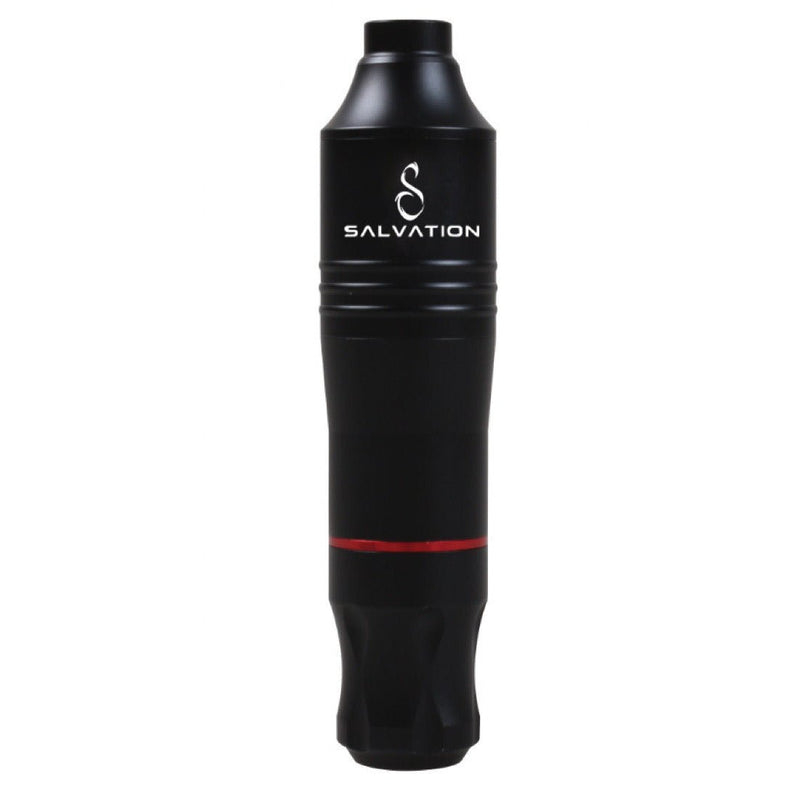
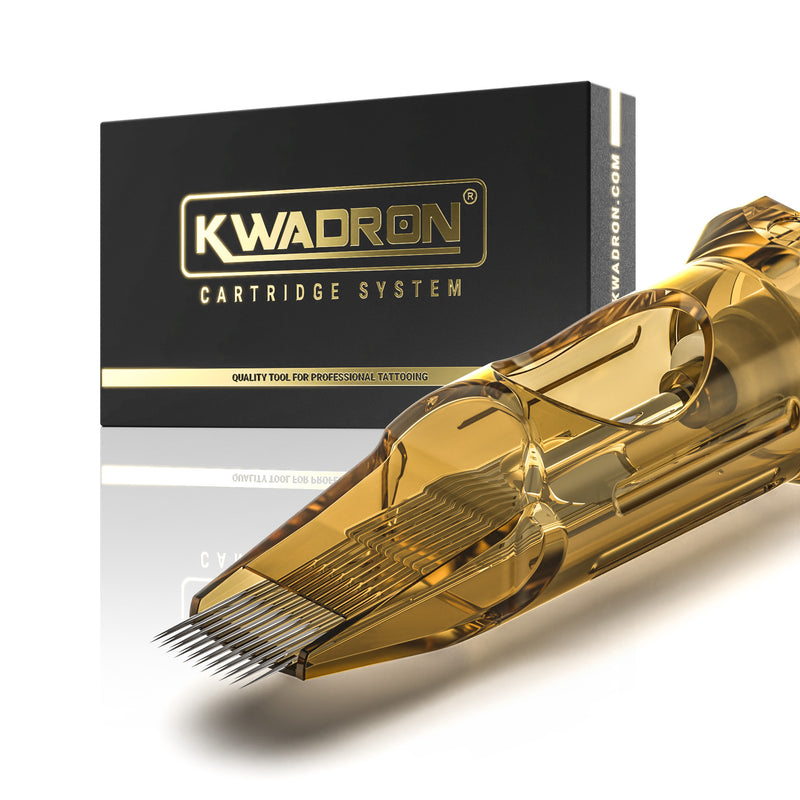
When a tattoo kit is worth buying and when it is not: what cheap marketplace kits get wrong, what a professional kit contains, and how to build your own.
Getting Started
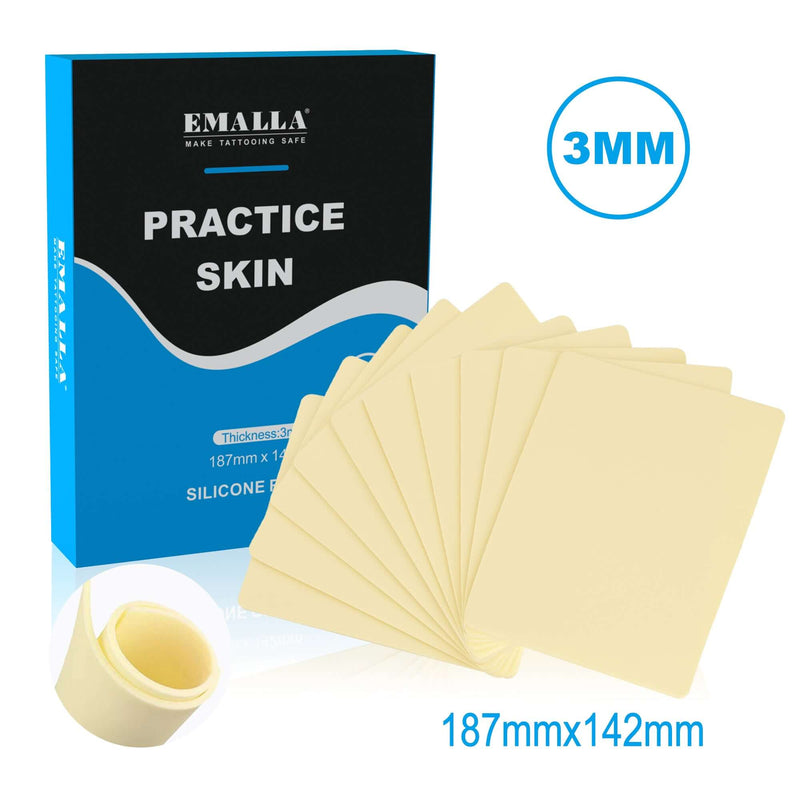
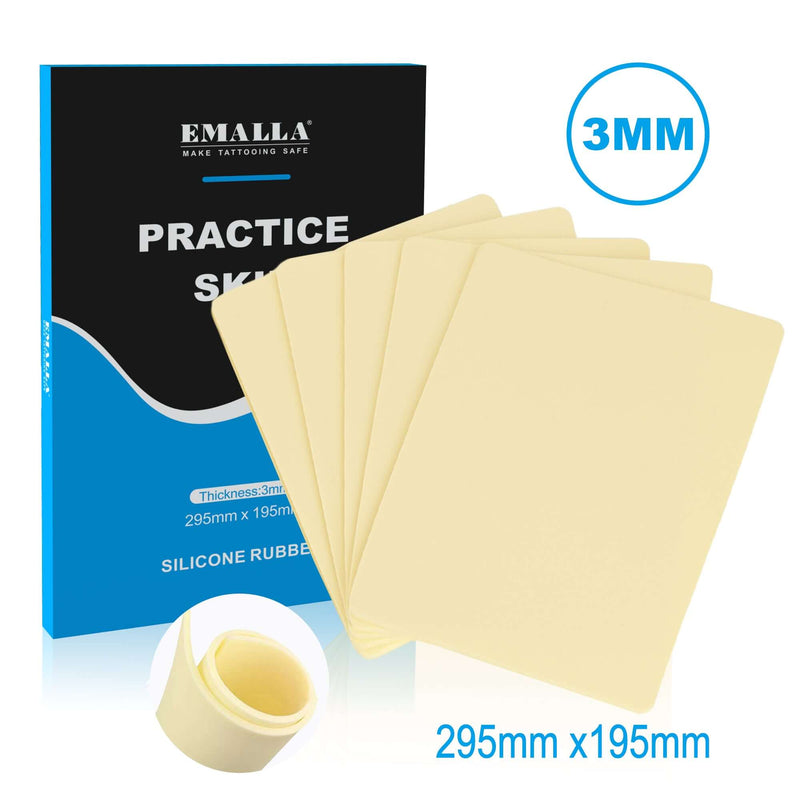
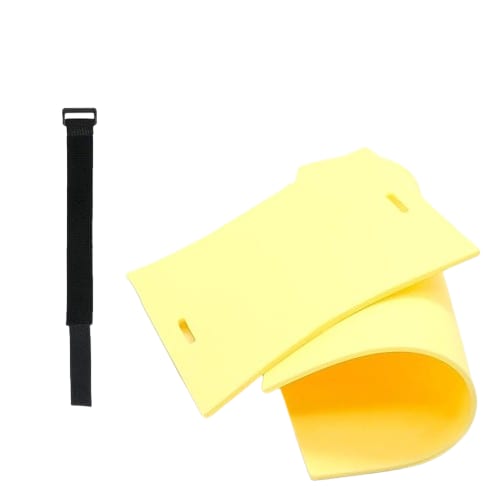
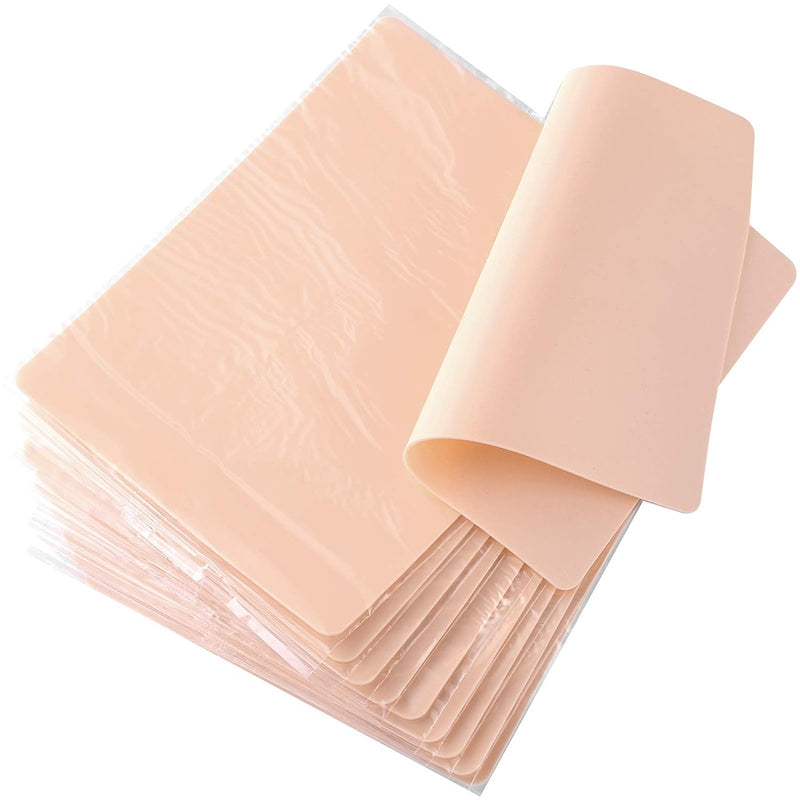
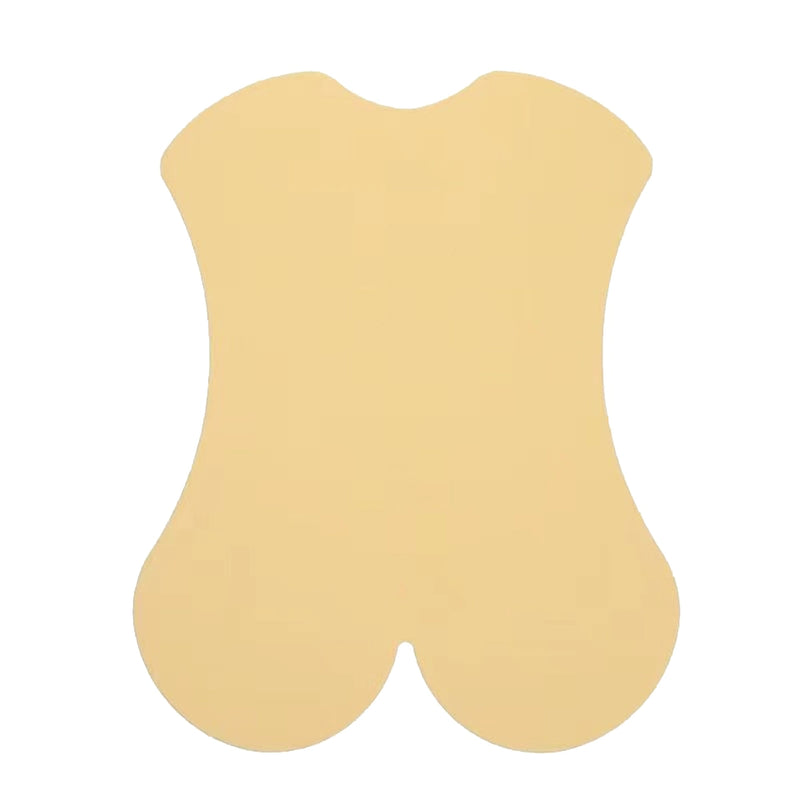
Which practice skin to buy at each stage: cheap rubber sheets for line drills, silicone with straps for curves, 3D forms for real anatomy. Real prices.
Getting Started
A blowout is ink placed below the dermis, where it spreads. The causes (depth, angle, thin skin, overworking) and how needle, stroke and voltage play in.
Getting Started
Start tattooing the safe way: drawing, practice skin, hygiene habits and an apprenticeship, and why tattooing people at home is the step to skip.
Getting Started
Ink not staying in usually means it is not reaching the dermis. Nine causes, from depth and hand speed to stretch, needle, ink and glide, and the fix for each.
Getting Started
Whip, pendulum, stipple and smooth shading compared: the hand motion, needle, stroke and voltage each technique needs, and the mistakes to avoid.
Getting Started
The real route into tattooing: drawing portfolio, apprenticeship, bloodborne pathogens course and a state license, plus what to buy first and what to skip.