
Why Isn't the Ink Staying In? 9 Causes and Fixes
Short answer
Why is my tattoo ink not staying in the skin?
Tattoo ink that will not stay in is usually not reaching the dermis, the layer below the shedding epidermis. The common causes are a needle set too shallow, a hand moving faster than the machine, voltage too low for the grouping, loose skin, a changing angle, a worn needle, thin or settled ink, too much glide, and overworked skin. Fix one variable at a time on practice skin.
Key takeaways
- Ink has to pass through the epidermis into the dermis; ink left in the epidermis sheds as the skin renews.
- The most common cause is too little needle hang; the second is a hand moving faster than the machine can deposit ink.
- Raising voltage is rarely the first fix; FK Irons says to adjust the needle grouping, stretch and pass strategy for saturation problems.
- Overworking an area makes it swell and weep, which pushes ink out; more passes make it worse, not better.
- Some ink loss during healing is normal: a dermatologist writing in Dermatology Times puts it at about a third, shed from the epidermis.
On this page 5 sections
Every apprentice hits this wall: the line looks solid while you work, then wipes away, or the practice sheet comes out patchy however many passes you make. It is rarely the ink and almost never the machine's fault alone. This page lists the nine causes in the order to check them, with the fix for each. It is for learners working on practice skin and apprentices under a licensed mentor, never for tattooing people at home or without a license. It is published by Miami Tattoo Supplies (MTS), and the supplies named are in the practice skin collection at Miami Tattoo Supplies and its cartridge range.
Where does ink have to go to stay?
Into the dermis. Skin has three layers: the epidermis on top, the dermis below it, and the fatty subcutis underneath. The National Cancer Institute gives the epidermis as about 0.05 mm thick on the eyelids and 1.5 mm on the palms and soles; the dermis is 1.5 to 4 mm and makes up about 90 percent of the skin's thickness. The epidermis constantly renews and sheds, so ink left there wipes or heals away. Ink in the dermis stays. Too deep, into the subcutis, and it spreads into a blowout instead.
So "ink not staying in" almost always means the needle is not reaching the dermis consistently. The needle depth guide covers the layers in more detail.
The 9 causes, and how to fix each one
| # | Cause | How it shows | Fix |
|---|---|---|---|
| 1 | Needle hang too short | Ink wipes off clean | Add hang in small steps |
| 2 | Hand too fast | Gaps, skipped lines | Slow down to the machine's pace |
| 3 | Voltage too low for the grouping | Machine drags, patchy fill | Raise in 0.2 to 0.5 V steps |
| 4 | Skin not stretched | Uneven, bouncing lines | Pull the skin flat and taut |
| 5 | Angle changing | Fuzzy, inconsistent depth | Hold one angle through the pass |
| 6 | Worn or wrong needle | Ragged lines, poor fill | Fresh cartridge, right grouping |
| 7 | Thin or settled ink | Weak, washed-out color | Shake well; fresh cap; less dilution |
| 8 | Too much glide | Ink smears instead of going in | Use a thin layer only |
| 9 | Overworked skin | Swelling, weeping, ink pushed out | Stop, move on, return another session |
1. The needle is not hanging far enough
The most common cause. If the needle barely protrudes from the cartridge, it never gets past the epidermis. FK Irons advises starting with less hang than you think you need, then adjusting, and gives general depth approaches of about 1.5 mm for lining and 2 mm for shading. Add hang a little at a time and test. A softer-hitting setup, such as a short stroke or high give, may need a little more hang to reach the same depth.
2. Your hand is moving faster than the machine
If the hand outruns the needle, the needle cannot deposit enough ink in each spot and lines come out broken. Slow down until the line goes in solid on one pass. FK Irons notes that a faster hand usually needs higher voltage, a slower hand lower; the two have to match.
3. Voltage is too low for the needle
Large magnums need more machine speed than a small liner. FK Irons describes low voltage with large mags as a mismatch that causes dragging and repeated passes. Raise voltage in small steps, but treat it as a fine-tuning dial: FK Irons says not to lean on voltage to fix saturation problems, and to adjust grouping, stretch and pass strategy first. The voltage guide covers ranges.
4. The skin is not stretched
Loose skin gives under the needle, so the needle bounces instead of penetrating. Stretch the area flat and taut with your free hand. Practice skin strapped around a curve teaches this better than a flat sheet.
5. The machine angle keeps changing
Tilting the machine mid-pass changes how deep the needle reaches, so some sections take ink and others do not. Hold one angle through each line, and brace your hand.
6. The needle is worn, or the wrong grouping
Needles dull with use, and a damaged or dull needle tears rather than penetrates. Change the cartridge when lines start to drag; see when to change tattoo needles. Also check the grouping: a tiny liner will never fill a large area evenly, and a loose round shader will not draw a crisp line.
7. The ink is thin, settled or drying out
Pigment settles in the bottle. Shake it well, pour a fresh ink cap, and replace caps that have started to thicken. Over-diluted grey wash or color goes in weak and heals lighter still. For solid black, a dense black such as Dynamic Triple Black ($10.99 per 1 oz at MTS at the time of writing) holds better than a watered-down one.
8. Too much glide or ointment
A thick layer of glide or ointment sits between the needle and the skin, and ink smears across the surface instead of going in. Use a thin layer to protect the stencil and help the needle move, and wipe excess away. Our glide and tattoo butter guide explains the products.
9. The skin is overworked
Going over the same patch again and again makes skin swell and weep, and the fluid pushes fresh ink back out. FK Irons lists excessive redness, a bruised texture or excessive weeping as signs to ease off, and says most skin trauma comes from overlap and repetition. More passes make the problem worse. Move to another area and let your mentor decide whether to return in a later session.
Is the problem the practice skin?
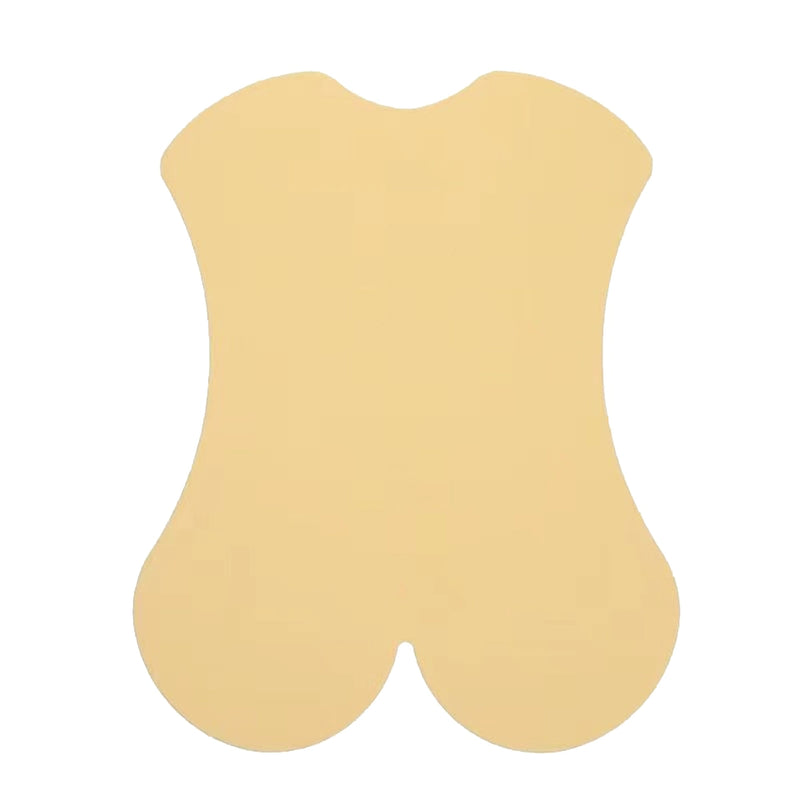
Sometimes. Synthetic skins vary in thickness and texture, and FK Irons notes that synthetic skin is useful for testing settings and hand control but does not perfectly replicate real skin. If a technique works on one brand of practice skin and not another, the sheet may be the variable. Keep one brand for drills so your results are comparable, and use a thicker sheet, such as a full-back practice skin, for heavy packing.
Why does a tattoo lose ink while it heals?
Some loss is normal. Dermatologist Zoe Diana Draelos, writing in Dermatology Times, notes that about a third of the ink stays in the epidermis and is shed as the tattoo heals. That is why fresh work looks darker than the healed result, and why patchy areas sometimes need a touch-up once healed. Poor aftercare, such as picking scabs, adds to the loss. Aftercare advice here is general information, not medical advice: a client with signs of infection should see a doctor.
Watch
Gear mentioned
Products from the Miami Tattoo Supplies catalog, the publisher of this site. Check current price and stock on the store.
HQ Silicone Practice Skin Full Back 15'x20'
View at Miami Tattoo Supplies: HQ Silicone Practice Skin Full Back 15'x20'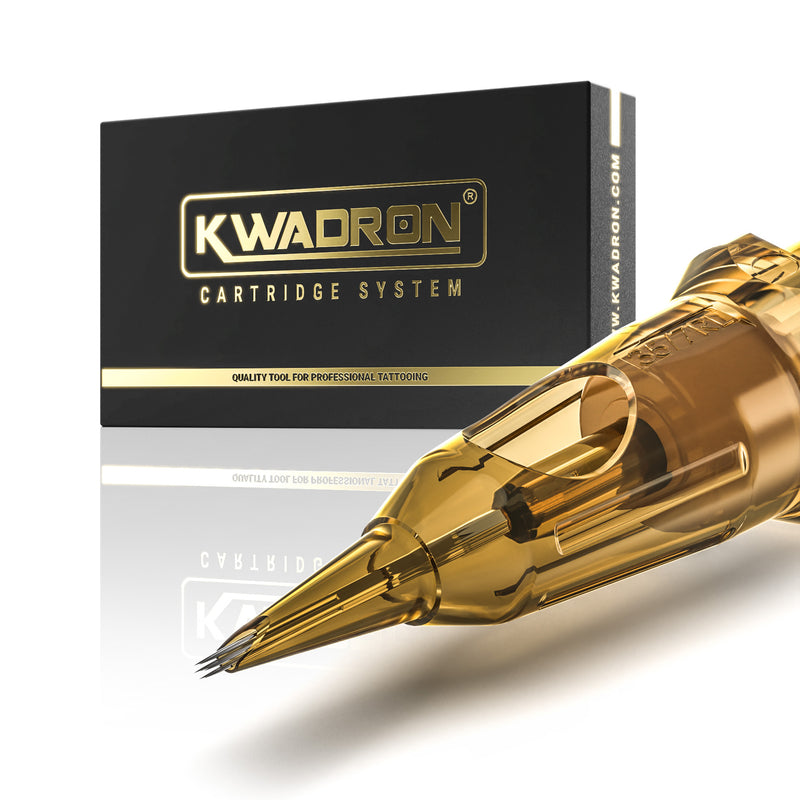
Kwadron
Kwadron Cartridge Needles - Round Liner (RL) Tattoo Cartridges 20pcs
View at Miami Tattoo Supplies: Kwadron Cartridge Needles - Round Liner (RL) Tattoo Cartridges 20pcs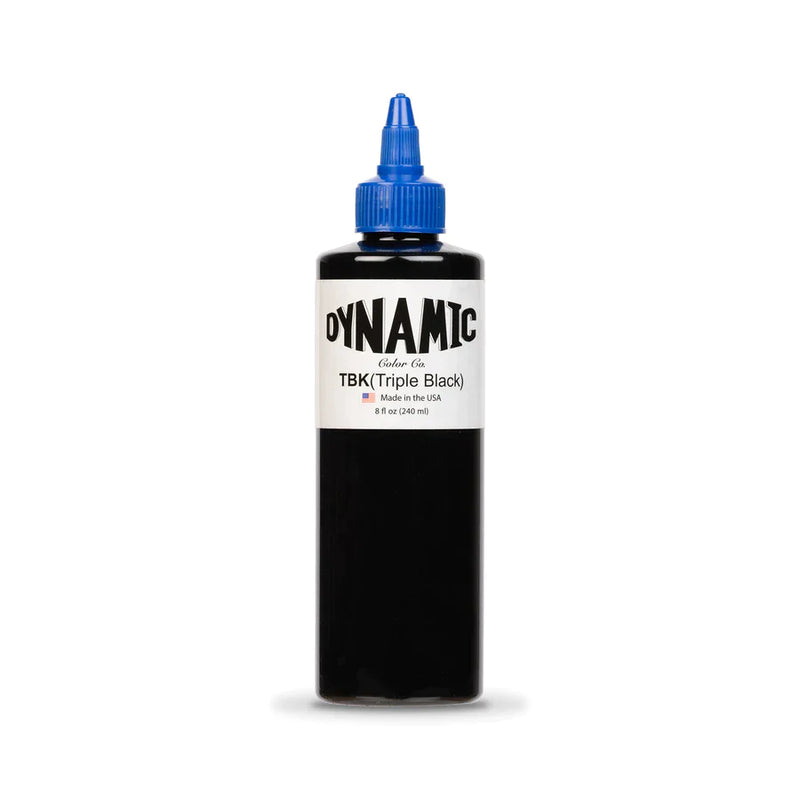
Dynamic Color
Dynamic Color - Triple Black
View at Miami Tattoo Supplies: Dynamic Color - Triple Black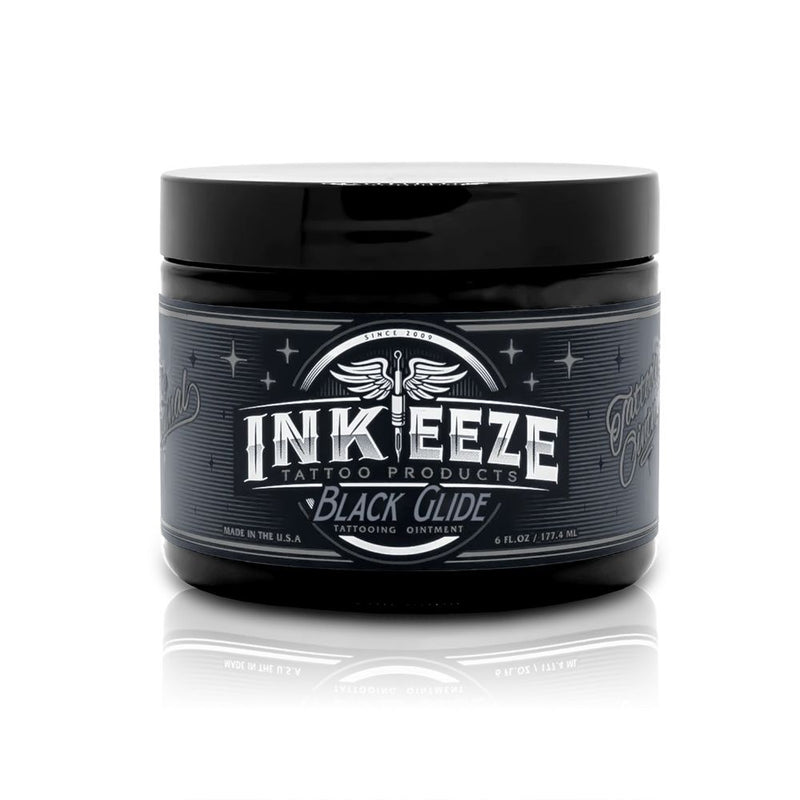
Inkeeze
INKEEZE Black Glide Tattooing Ointment 6oz
View at Miami Tattoo Supplies: INKEEZE Black Glide Tattooing Ointment 6oz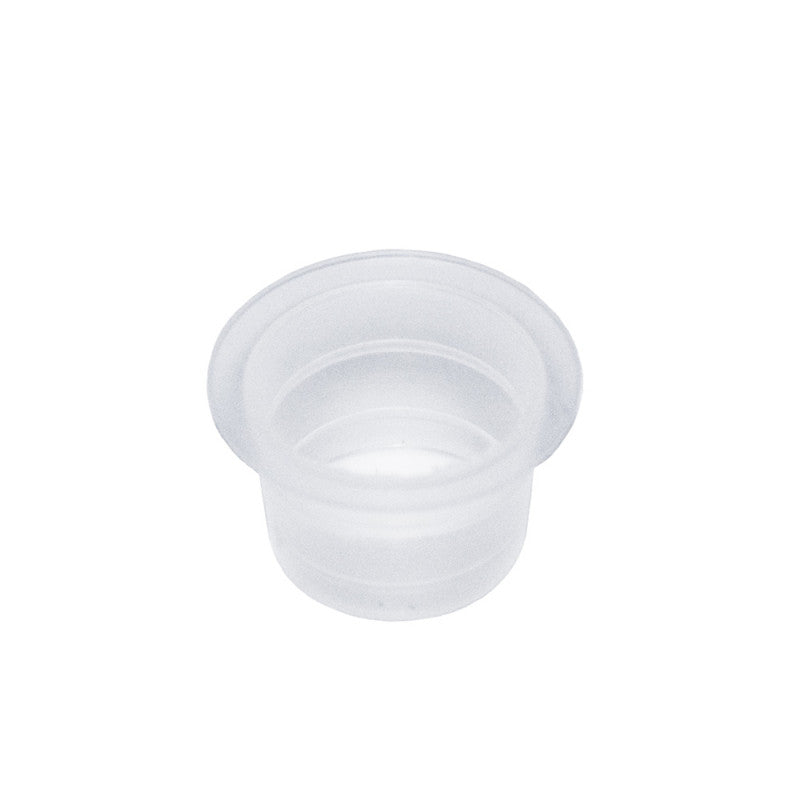
Ink Caps (#14) Medium For Tattoo Ink-Cups
View at Miami Tattoo Supplies: Ink Caps (#14) Medium For Tattoo Ink-Cups
Frequently asked questions
Why is my tattoo ink wiping off?
Ink that wipes off clean is sitting on or in the epidermis, not the dermis. The usual causes are too little needle hang, a hand moving too fast, or skin that is not stretched. Add hang in small steps, slow your hand, stretch the skin flat, and test on practice skin before changing voltage.
Why won't ink stay in practice skin?
The same causes as on real skin apply, especially needle hang, hand speed and too much glide. Practice skins also vary between brands in thickness and texture, so some hold ink better than others. Stick with one brand for drills and use a thicker sheet for packing practice.
Does higher voltage push more ink in?
Not on its own. Voltage sets how fast the machine cycles. Higher voltage with a slow hand overworks the skin, and FK Irons says not to rely on voltage to fix saturation. Check needle hang, hand speed, stretch and grouping first, then fine-tune voltage in small steps.
How do I know if I am going deep enough?
On practice skin, a line that stays solid after a firm wipe is reaching depth; a line that wipes away is too shallow. On real skin, under a mentor, light pinpoint bleeding and a line that holds after wiping are typical. Heavy bleeding and swelling mean too deep. Depth is learned by feel under supervision.
Is it normal for a tattoo to look patchy after healing?
Some unevenness can be normal, because part of the ink in the epidermis sheds during healing. Large patchy areas usually point to inconsistent depth or hand speed. Most artists wait until a tattoo is fully healed before touching it up. Any redness, heat or discharge that worsens should be seen by a doctor.