Tattoo Stencil Supplies: Paper, Printers and Primers Explained
Short answer
What do you need to make a tattoo stencil?
To make a tattoo stencil you need transfer paper and a way to put the design on it: freehand paper you trace by hand, thermal paper run through a thermal stencil printer, or an inkjet stencil system. To apply it you need a stencil primer, gel or solution, plus a skin marker for touch-ups and a stencil remover for repositioning.
Key takeaways
- Freehand paper is the cheapest start: you trace by hand and pressure transfers the design.
- A thermal stencil printer with thermal paper is the shop standard for printing designs straight from a tablet or computer.
- Inkjet stencil systems use special ink and paper in an inkjet printer; they cost more to set up.
- The primer matters as much as the paper: apply a thin coat, dispensed as a single-client portion.
On this page 8 sections
A stencil is the map for the whole tattoo, and making one takes three pieces: transfer paper, a way of getting the design onto it, and a product that transfers it to skin and holds it there. Each has a cheap option and a shop option, and they are not all interchangeable.
This guide is published by Miami Tattoo Supplies, a tattoo supply store in Hollywood, Florida. Prices are the store's stencil supply listings at the time of writing (November 2026).
The three ways to make a stencil
Your choice of method decides which paper you buy.
| Method | What you need | Best for | Set-up cost at MTS (Nov 2026) |
|---|---|---|---|
| Hand-traced | Freehand transfer paper, a ballpoint pen | Learners, one-off designs | Spirit Classic Freehand Paper, from $12.99 |
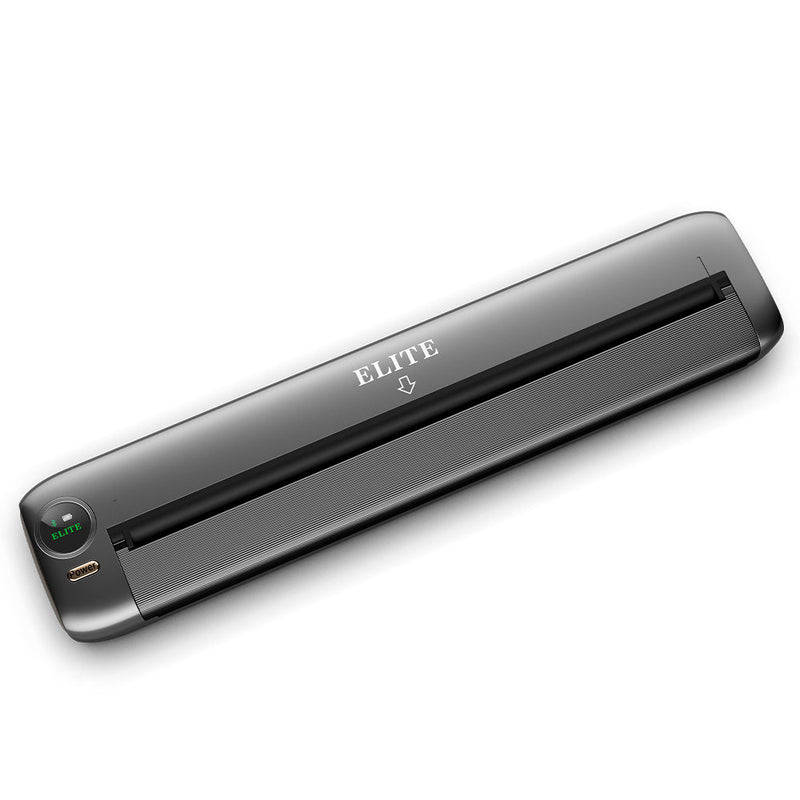
| Thermal printer | Thermal paper, thermal stencil printer | Shops printing from a tablet or computer | Elite Pocket S7 printer, $349 |
| Inkjet stencil system | Inkjet stencil ink, special paper, inkjet printer | High-volume shops | Epson EcoTank ET-M1170 bundle, $539 |
Freehand paper: the cheapest start
Freehand transfer paper lets you trace a design by hand. You place your drawing on top, trace the lines with a ballpoint pen, and the pressure transfers the purple carbon onto the stencil sheet. It is cheap, needs no machine, and teaches you to think about which lines actually belong in a stencil.
The downside is time and consistency: every stencil is traced by hand, and line weight depends on your pressure. For an apprentice practicing on synthetic skin, that is fine. At the time of writing, Spirit Classic Freehand Paper 8.5 x 11 is listed from $12.99.
Thermal paper and thermal stencil printers
Thermal printing is the shop standard. A thermal stencil printer uses heat to transfer the design from a printout or a digital file onto thermal paper, so a design drawn on a tablet becomes a stencil in seconds. Thermal paper is a multi-layer sheet; before printing you remove the protective tissue layer as the box instructions describe.
At the time of writing, the Elite Pocket S7 wireless stencil printer is listed at $349, and Spirit thermal stencil paper 8.5 x 14 from $19.90; our Elite brand guide covers the printer range. Check that the paper size matches your printer before buying in bulk: 8.5 x 11 suits most designs, 8.5 x 14 gives room for long pieces.
Inkjet stencil systems
Inkjet stencil systems put a special stencil ink into an inkjet printer and print onto dedicated paper. They suit shops printing a lot of stencils, but the start-up cost is higher and the ink is a consumable you keep buying.
At the time of writing, Miami Tattoo Supplies lists an Epson EcoTank ET-M1170 printer bundle with inkjet stencil ink and 500 sheets of special paper at $539, with refills of InkJet Stencils ink (4oz) at $150 and paper (500 sheets) at $37.99. For most solo artists, a thermal printer is the simpler choice.
Stencil primers, gels and solutions
The product you put on the skin matters as much as the paper. Stencil primers, gels and solutions all do the same job, helping the transfer leave the paper and hold on the skin through the session; the difference is texture and how long they take to dry.
| Product | Format | Price at MTS (Nov 2026) |
|---|---|---|
| Proton Tattoo Stencil Gel | 4.3oz tube | $16 |
| Dynamic Stencil Solution Magic | 8oz bottle | $18.99 |
| Panthera Stencil Gel Forte | Gel | from $14.99 |
| Hornet Honey Stencil | 8.5oz bottle | $26.99 |
Whichever you choose, follow its label for application and drying time, and dispense it as a single-client portion; Florida's tattooing rule requires stencil products to be packaged as a single dose or dispensed as a single customer dose. Our Proton brand guide and Panthera brand guide cover those lines, and how to apply a tattoo stencil covers technique.
Removers and skin markers
Two small items save a lot of trouble. A stencil remover lifts a misplaced transfer cleanly so you can reapply; at the time of writing, Dynamic Stencil Magic Remover 8oz is listed at $18.99 and Panthera Extreme Stencil Eraser 8oz at $13.99. A skin marker lets you add or fix lines on the skin: the Viscot Twin Tip Surgical Marker Sterile is listed at $3.50. Use markers as single-use items, or as your local rules require.
What to buy first
If you are learning, start with freehand paper and one stencil gel, and put a stencil on every practice sheet. Add a thermal printer when you are producing stencils regularly. Our apprentice supply list shows where stencil gear fits among everything else. The full range is in the stencil supplies collection at Miami Tattoo Supplies.
Gear mentioned
Products from the Miami Tattoo Supplies catalog, the publisher of this site. Check current price and stock on the store.
Elite
ELITE POCKET S7 Wireless Tattoo Stencil Printer
View at Miami Tattoo Supplies: ELITE POCKET S7 Wireless Tattoo Stencil Printer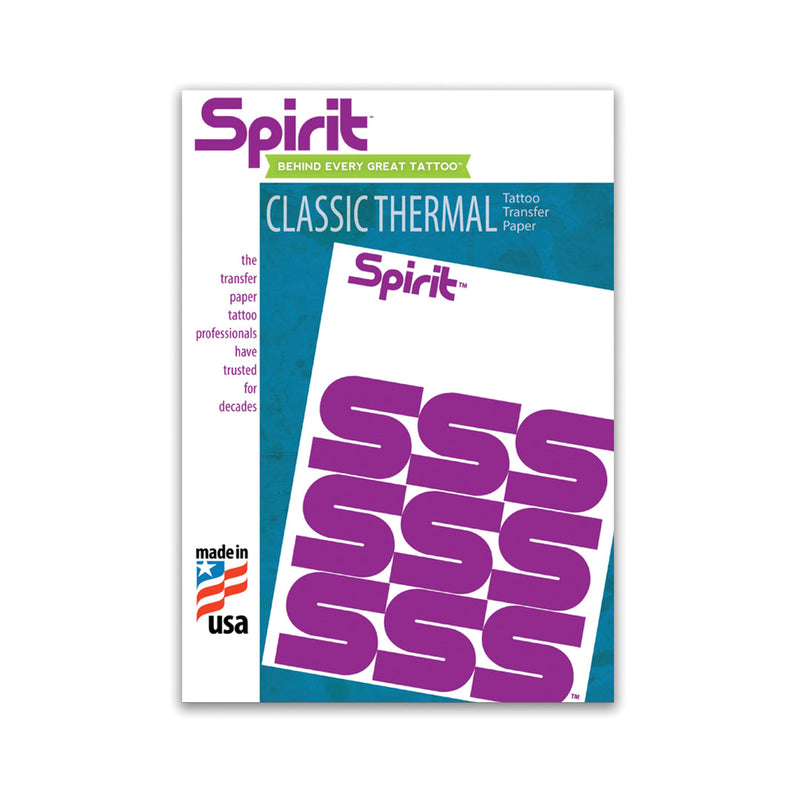
Thermal Stencil Paper By Spirit 8.5 X 14
View at Miami Tattoo Supplies: Thermal Stencil Paper By Spirit 8.5 X 14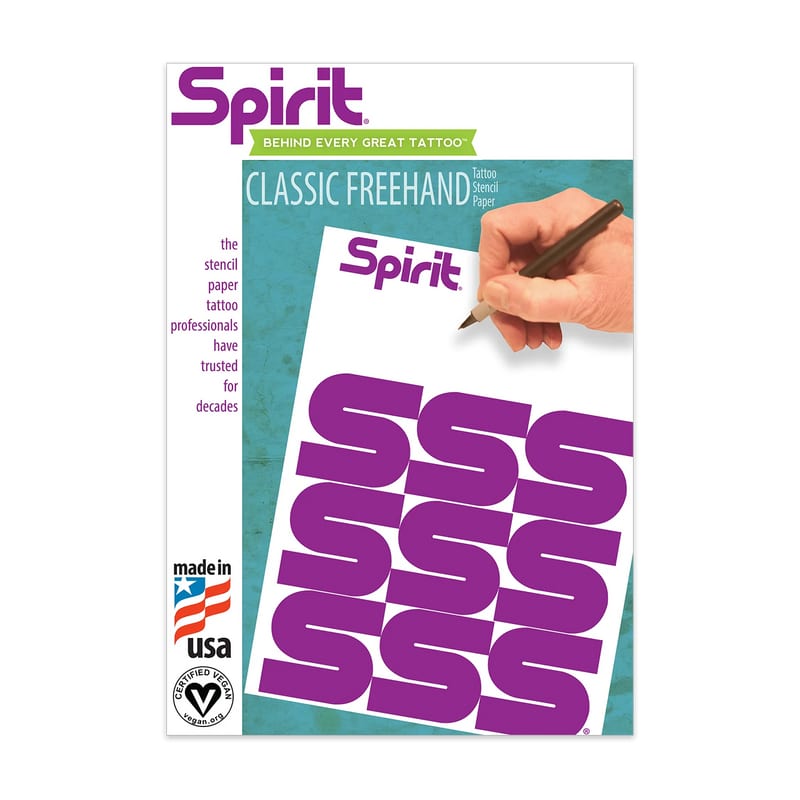
Classic FREEHAND Paper By Spirit 8.5 X 11
View at Miami Tattoo Supplies: Classic FREEHAND Paper By Spirit 8.5 X 11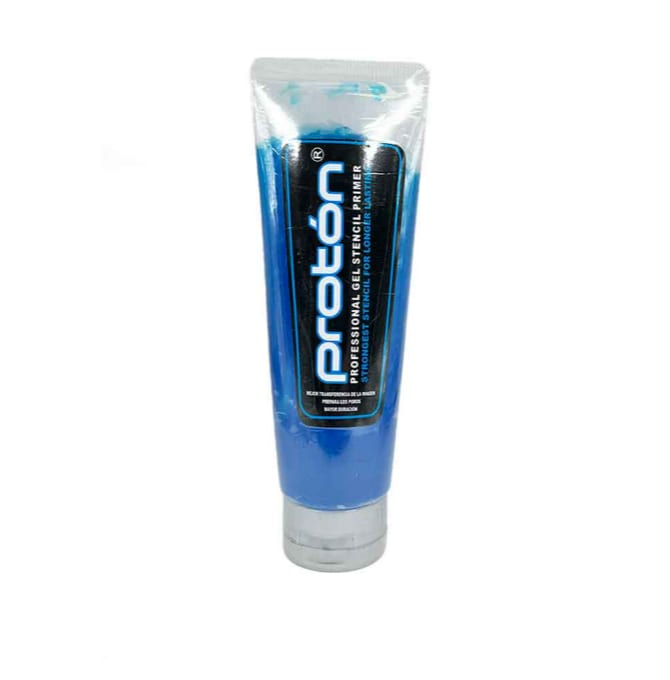
Proton
Proton Tattoo Stencil Gel - 4.3oz Tube
View at Miami Tattoo Supplies: Proton Tattoo Stencil Gel - 4.3oz Tube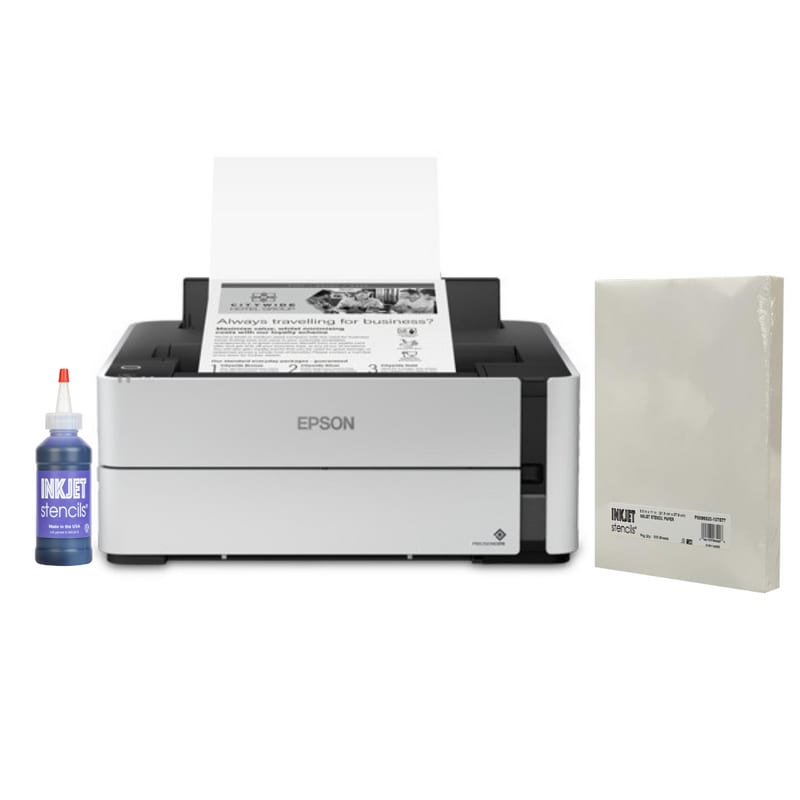
Epson EcoTank ET-M1170 Printer Bundle + Inkjet Ink + 500 Sheets of Special Inkjet Paper
View at Miami Tattoo Supplies: Epson EcoTank ET-M1170 Printer Bundle + Inkjet Ink + 500 Sheets of Special Inkjet Paper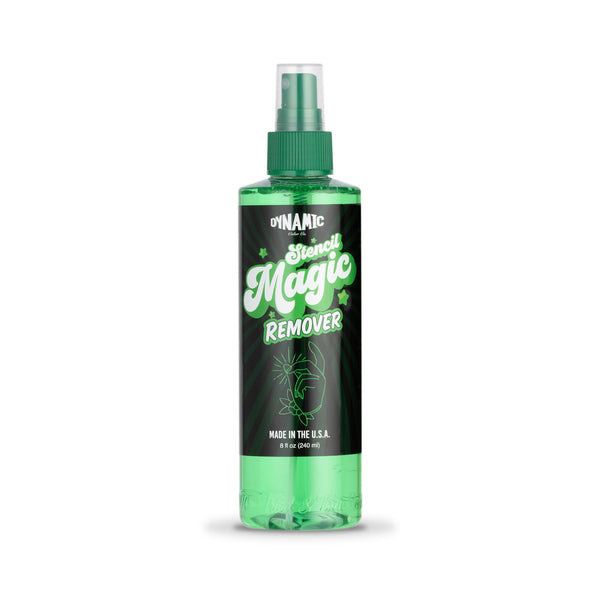
Dynamic Color
Dynamic Stencil Magic Remover 8oz
View at Miami Tattoo Supplies: Dynamic Stencil Magic Remover 8oz
Frequently asked questions
Can I use regular printer paper for a tattoo stencil?
Not on its own. Ordinary paper has no transfer layer, so nothing moves to the skin. You need freehand or thermal transfer paper, or an inkjet stencil system that uses dedicated stencil ink and paper. Regular paper is only useful for drawing the design you will then transfer.
Do I need a thermal printer to make tattoo stencils?
No. Freehand transfer paper lets you trace stencils by hand with a ballpoint pen. A thermal printer saves time and gives consistent lines, which is why shops use them, but learners can start with freehand paper and add a printer later.
What is the difference between thermal and freehand stencil paper?
Thermal paper is made to go through a thermal stencil printer, which uses heat to transfer the design. Freehand paper is made for tracing by hand, where pen pressure transfers the design. They look similar, but use each with the method it is designed for.
What is the best stencil primer for tattoos?
There is no single best one; it depends on your skin prep, climate and how long your sessions run. Gels and lotions differ in texture and drying time. Pick one, learn it on practice skin, and follow its label. A thin, even coat matters more than the brand.
How do I store thermal stencil paper?
Keep it in its box, away from heat and direct sunlight, since thermal paper reacts to heat. Store it flat so sheets do not curl and jam the printer, and keep it dry, which matters in humid climates like South Florida.