How to Become a Tattoo Artist: The Real Path, Step by Step
Short answer
How do you become a tattoo artist?
You become a tattoo artist by building a drawing portfolio, using it to win an apprenticeship in a licensed shop, completing a bloodborne pathogens course, and getting a license or registration wherever your state or county requires one. Practice machine work on synthetic skin, not people. Florida, for example, requires a Department of Health license for anyone who tattoos another person, apprentices included.
Key takeaways
- The order is drawing portfolio, apprenticeship, bloodborne pathogens training, license, then paying clients.
- Licensing is set by each state, and sometimes by the county or city, so check with your local health department before you start.
- In Florida even apprentices who tattoo people need a tattoo artist license, and tattooing may only happen in a licensed establishment.
- Your first purchases are paper, pencils and practice skin; a machine can wait until a mentor tells you what to buy.
On this page 8 sections
Most people who ask how to become a tattoo artist are really asking where to start, and what they can skip. The honest answer is that the route is slower than social media suggests, but it is not mysterious: it runs through a sketchbook, a shop, a health course and a license.
This page is published by Miami Tattoo Supplies, a supply store in Hollywood, Florida. We sell the equipment, but the first steps below cost very little: a sketchbook and some practice skin.
Step 1: Build a drawing portfolio first
The portfolio is your application, and it should come before any equipment. Shops take on apprentices whose drawings show they understand line, shading, composition and how a design will sit on a body. A machine does not teach any of that.
A useful portfolio for an apprenticeship search usually has:
- finished, clean line drawings, the kind that could become a stencil;
- shaded pieces that show you can render light and form in black and grey;
- a few color pieces if color is where you want to work;
- tattoo-style flash: complete designs drawn as tattoos, not just sketches;
- evidence of range, plus a clear sense of the style you are drawn to.
Draw every day. Redraw classic flash to learn why it works, then design your own. Bring a physical book or a tidy tablet portfolio when you visit shops.
Step 2: Find an apprenticeship in a licensed shop
An apprenticeship is how most working artists learned, and it is where you learn the things that keep clients safe. A mentor teaches you hygiene and cross-contamination control, station setup and breakdown, stencil work, machine setup, needle choice, and eventually tattooing under supervision.
Approach shops in person with your portfolio, be specific about why you want to learn there, and expect to start by cleaning, setting up stations, drawing and answering the phone. Terms vary widely between shops: some apprenticeships are paid, some are not, and some ask for a fee. Get the terms in writing and walk away from any arrangement that has you tattooing people outside a licensed shop.
Rules on apprenticeships differ by state. Florida, for example, does not require an apprenticeship to apply for a license, according to the Department of Health's licensing FAQ. That does not make one optional in practice: the license proves you passed a health course, not that you can tattoo.
Step 3: Complete bloodborne pathogens training
Every tattoo artist needs to understand how HIV, hepatitis B and hepatitis C spread and how to stop them. Many states require a specific approved course before they will license you, and employers covered by the federal OSHA Bloodborne Pathogens Standard (29 CFR 1910.1030) must train exposed employees when they start and every year after.
The two are not the same thing. Our guide to bloodborne pathogens training for tattoo artists explains which course you need and why a generic workplace course may not satisfy your state.
Step 4: Get licensed where you will work
Licensing is set by each state, and in some places by the county or city. Before you tattoo anyone, find out from your local health department what applies where you will work.
Florida is a clear example. The Florida Department of Health requires a tattoo artist license for anyone who tattoos another person, including cosmetic tattooing and microblading, and the licensure page says students and apprentices who tattoo people as part of their training need one too. Applicants must be at least 18, show government-issued photo ID, prove they passed a Department-approved bloodborne pathogens and communicable diseases course with at least 70%, and name the licensed establishment where they will work. The full process is in our guide to getting a tattoo license in Florida.
Step 5: Practice on synthetic skin, not people
Before an apprentice tattoos anyone, the work happens on practice skin. Lines, shading passes, color packing and needle changes can all be learned on synthetic skin under a mentor's eye. Do not tattoo friends, family or yourself at home. In Florida, tattooing outside a licensed establishment is not permitted, and unsterile setups are how bloodborne infections spread.
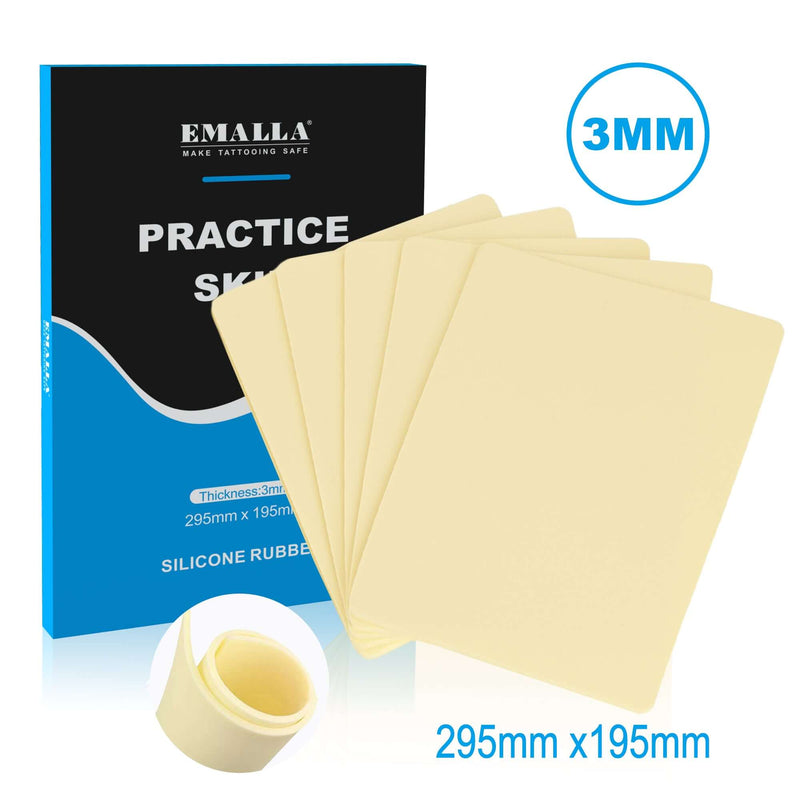
Practice skin is inexpensive. At the time of writing (November 2026), Miami Tattoo Supplies lists the Emalla large practice skin 5-pack at $25.99 and HQ silicone practice skin with straps from $7.50. Our comparison of the best tattoo practice skin covers sheets, silicone and 3D forms. Another cheap way to train machine control is drawing cartridges: the Peak Dotwork ballpoint drawing cartridges are listed at $24.99 for a box of 20 at the time of writing, and let you draw on paper with a cartridge machine. For how long each stage usually takes, see how long it takes to learn to tattoo.
What to buy, and when
Hold off on a machine until you have a mentor. Shops have preferences, and many apprentices end up replacing a first kit bought before the apprenticeship started. A staged plan looks like this:
| Stage | What to buy | Why |
|---|---|---|
| Before an apprenticeship | Paper, pencils, fineliners, tracing paper | The portfolio is what gets you in |
| Early apprenticeship | Practice skin, stencil paper, a machine your mentor approves | Learn machine control on synthetic skin |
| Before tattooing people | Whatever your shop and license require | Your mentor and health department set this |
Our tattoo apprentice supply list breaks each stage down item by item, and the practice skin collection at Miami Tattoo Supplies is the place to start.
The bottom line
There is no shortcut that skips the drawing, the mentor, the health course or the license, and the ones advertised tend to produce scarred clients and stalled careers. Do the steps in order, practice on synthetic skin, and the equipment questions answer themselves once you are in a shop.
Watch
Gear mentioned
Products from the Miami Tattoo Supplies catalog, the publisher of this site. Check current price and stock on the store.
Emalla
EMALLA Large Tattoo Practice Skin (5pcs)
View at Miami Tattoo Supplies: EMALLA Large Tattoo Practice Skin (5pcs)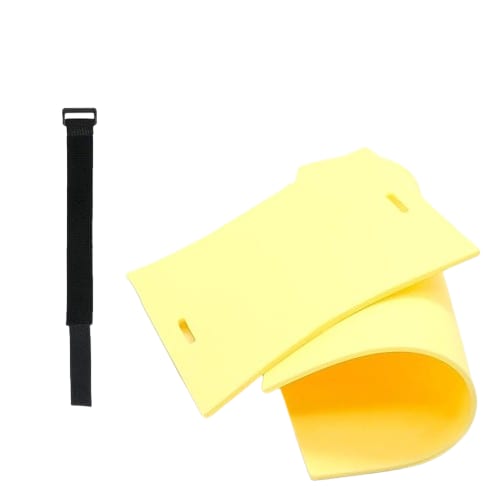
HQ Silicone Practice Skin with Straps 8x8
View at Miami Tattoo Supplies: HQ Silicone Practice Skin with Straps 8x8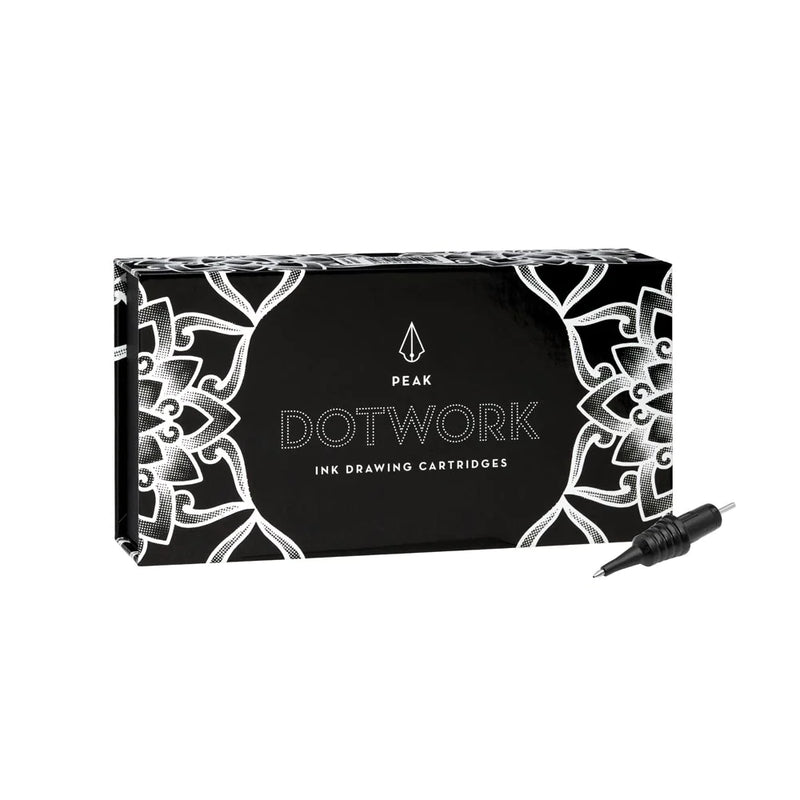
Peak
Peak Dotwork Ink Drawing Cartridge for Versatile Artistic Applications - Box of 20
View at Miami Tattoo Supplies: Peak Dotwork Ink Drawing Cartridge for Versatile Artistic Applications - Box of 20
Frequently asked questions
Can I become a tattoo artist without an apprenticeship?
Some states do not legally require one; Florida's Department of Health says an apprenticeship is not required to apply for a license. In practice, almost every working artist learned under a mentor, because a license only proves you passed a health course. Self-teaching on people is how infections and permanent mistakes happen.
Do I need a license to tattoo?
In most places, yes, but rules vary by state, county and city. In Florida, anyone who tattoos another person needs a Department of Health tattoo artist license, apprentices included, and must work in a licensed establishment. Check with your local health department before tattooing anyone.
How old do you have to be to become a tattoo artist?
It depends on the state. Florida requires tattoo artist license applicants to be at least 18 years old. Even where no minimum is written down, a shop is unlikely to take on an apprentice who is under 18.
Should I buy a tattoo kit before I find an apprenticeship?
No. Spend that money on drawing materials and practice skin. Your mentor will tell you which machine, needles and inks the shop uses, and many apprentices replace a first kit bought too early. Never use a kit to tattoo people at home.
What should my apprenticeship portfolio include?
Clean line drawings, shaded black and grey pieces, some color if you want to work in color, and finished tattoo-style flash. Quality matters more than quantity: twenty strong, finished pieces show more than a hundred quick sketches.