How to Start Learning to Tattoo, Safely and Legally
Short answer
How do I start tattooing?
Start by drawing every day, then practice machine work on synthetic practice skin while you learn hygiene and cross-contamination control, and look for an apprenticeship in a licensed shop. Take a bloodborne pathogens course and get licensed where your state requires it before you tattoo a person. Do not tattoo people, or yourself, at home: it risks infection and, in states like Florida, breaks the law.
Key takeaways
- The safe starting order is drawing, practice skin, hygiene habits, apprenticeship, bloodborne pathogens course, license.
- Practice skin lets you learn lines, shading and needle changes with no risk to anyone.
- Treat practice sessions like real ones: gloves, barriers, single-use cups and a sharps container build the habits a shop expects.
- Florida requires tattooing to happen in a licensed establishment by a licensed artist, and prohibits tattooing anyone under 16.
On this page 7 sections
If you want to learn to tattoo, the first question is not which machine to buy. It is what you can safely practice on today, and how you get from there to tattooing real clients without hurting anyone or breaking the law.
This guide is published by Miami Tattoo Supplies, a tattoo supply store in Hollywood, Florida. It covers the order we would give anyone who walks in asking how to start.
Start with drawing, every day
Drawing is the skill everything else depends on, and it costs almost nothing. A tattoo is a drawing executed under hard constraints: it must read at a distance, age well as lines spread over the years, and fit the body part it sits on.
Spend your first months on:
- line control: long, confident, single-pass lines without sketchy restarts;
- shading: smooth gradients from black to skin tone in pencil, then in ink wash;
- redrawing classic flash to understand why bold lines and simple shapes last;
- designing your own pieces as finished tattoos, sized and placed.
This work becomes the portfolio that gets you an apprenticeship.
Practice machine work on synthetic skin
Practice skin is where a beginner learns machine handling, and it is the only surface you should be putting needles into until you are trained and licensed. On synthetic skin you can learn to hold a steady hand speed, pull a line without blowouts, change cartridges, and build shading passes, with no risk to anyone.
Start cheap. Thin rubber sheets are fine for line drills; at the time of writing (November 2026), Miami Tattoo Supplies lists Regular Practice Skin 6x8 from $1.99 and the Emalla small practice skin 10-pack at $25.99. Move to silicone sheets with straps once you want to practice on a curved surface such as a forearm. Our comparison of the best tattoo practice skin explains what each type is good for.
Two honest limits: practice skin does not stretch, bleed or swell like human skin, and it will not tell you if you are going too deep. It trains your hands and your setup; a mentor trains your judgment.
Build hygiene habits from day one
Set up practice sessions the way a licensed shop sets up a real one. The habits are what keep clients safe later, and they are much easier to learn early than to fix.
Practice these every time:
- wash your hands and wear fresh disposable gloves for each session;
- cover anything your gloved hands will touch with a barrier;
- pour ink into single-use ink caps, never dip into the bottle;
- drop used cartridges and needles straight into a sharps container;
- break down in the same order every time and disinfect the surfaces.
At the time of writing, a box of 100 Safe-Touch black nitrile gloves is listed at $14.99 and a 1-quart sharps container at $8.95. Our step-by-step guide to setting up a tattoo station shows the full routine.
Get an apprenticeship and the required training
An apprenticeship in a licensed shop is where you learn what practice skin cannot teach: needle depth on real skin, client consultation, aftercare, and how to handle an exposure incident. Approach shops with a portfolio, not a machine.
Alongside it, you will need a bloodborne pathogens course and, in most states, a license. Florida requires a Department of Health license for anyone who tattoos another person, including apprentices, after a Department-approved bloodborne pathogens and communicable diseases course. The details are in how to get a tattoo license in Florida and bloodborne pathogens training for tattoo artists.
Why not to tattoo people at home
Tattooing at home is the one shortcut to rule out completely. Kitchen-table tattooing means no autoclave, no proper handwashing sink, surfaces that cannot be disinfected, and no way to manage contaminated sharps. The FDA notes that unsterile equipment and needles can spread infectious diseases such as HIV and hepatitis, as well as skin infections like staph.
It is also illegal in many places. Florida's Department of Health says tattooing may only be practiced in a licensed tattoo establishment by a licensed tattoo artist, whether or not money changes hands, and that tattooing at a client's home is not permitted. Florida law prohibits tattooing anyone under 16 except for medical or dental purposes by a licensed physician or dentist, and allows 16- and 17-year-olds only with a parent present, notarized consent and ID checks.
What not to buy yet
Hold off on an expensive machine, a full ink set and studio furniture until a mentor tells you what the shop uses. The money is better spent on drawing materials and practice skin now. Our guide to the best tattoo machine for beginners is worth reading when that time comes. When you are ready, the practice skin collection at Miami Tattoo Supplies has sheets from a couple of dollars upward.
Gear mentioned
Products from the Miami Tattoo Supplies catalog, the publisher of this site. Check current price and stock on the store.
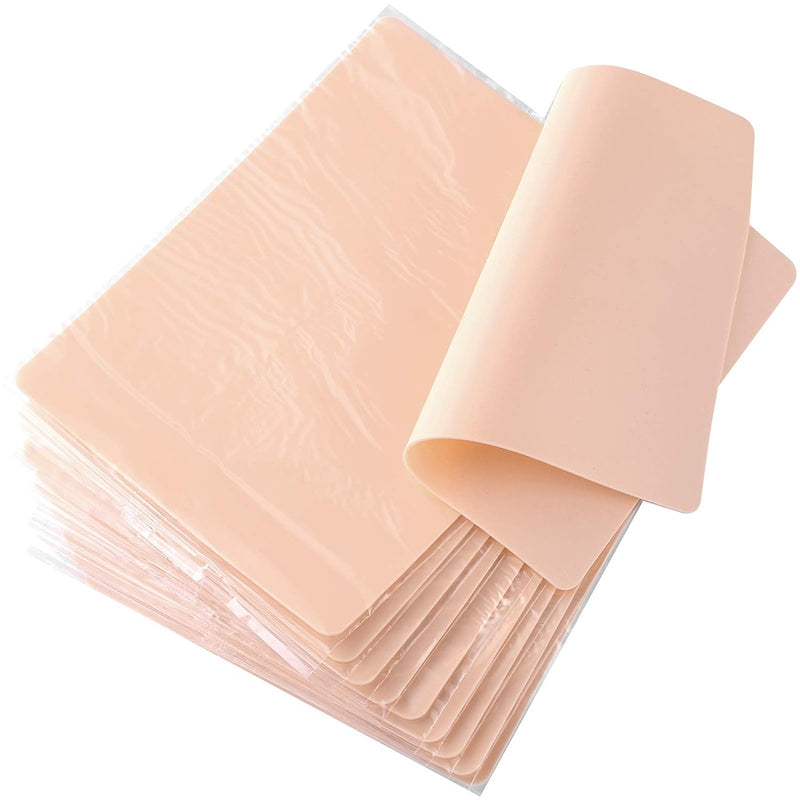
Regular Practice Skin 6x8
View at Miami Tattoo Supplies: Regular Practice Skin 6x8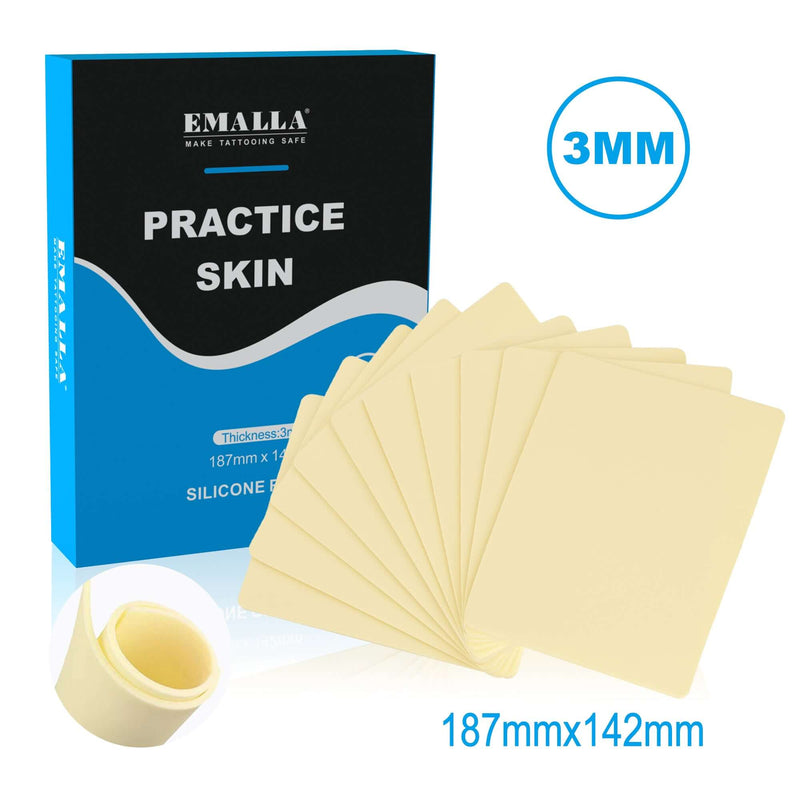
Emalla
EMALLA Small Tattoo Practice Skin (10pcs)
View at Miami Tattoo Supplies: EMALLA Small Tattoo Practice Skin (10pcs)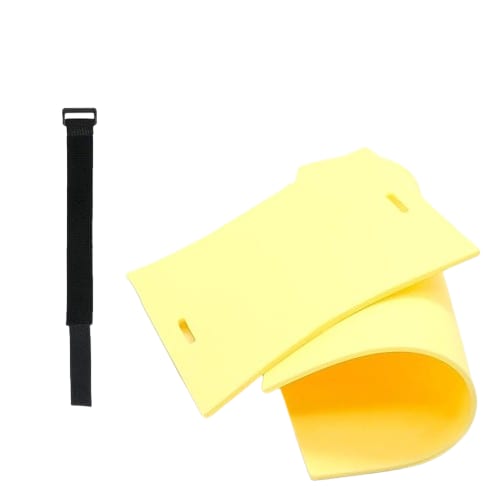
HQ Silicone Practice Skin with Straps 8x8
View at Miami Tattoo Supplies: HQ Silicone Practice Skin with Straps 8x8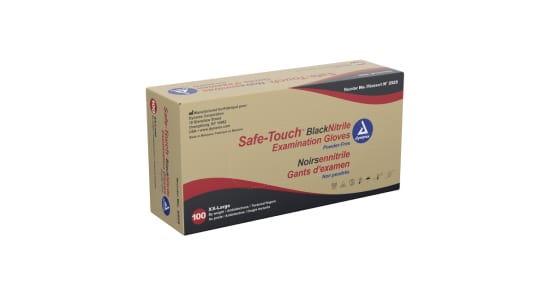
Dynarex
Safe-Touch Black Nitrile Exam Gloves Powder-Free - Box of 100
View at Miami Tattoo Supplies: Safe-Touch Black Nitrile Exam Gloves Powder-Free - Box of 100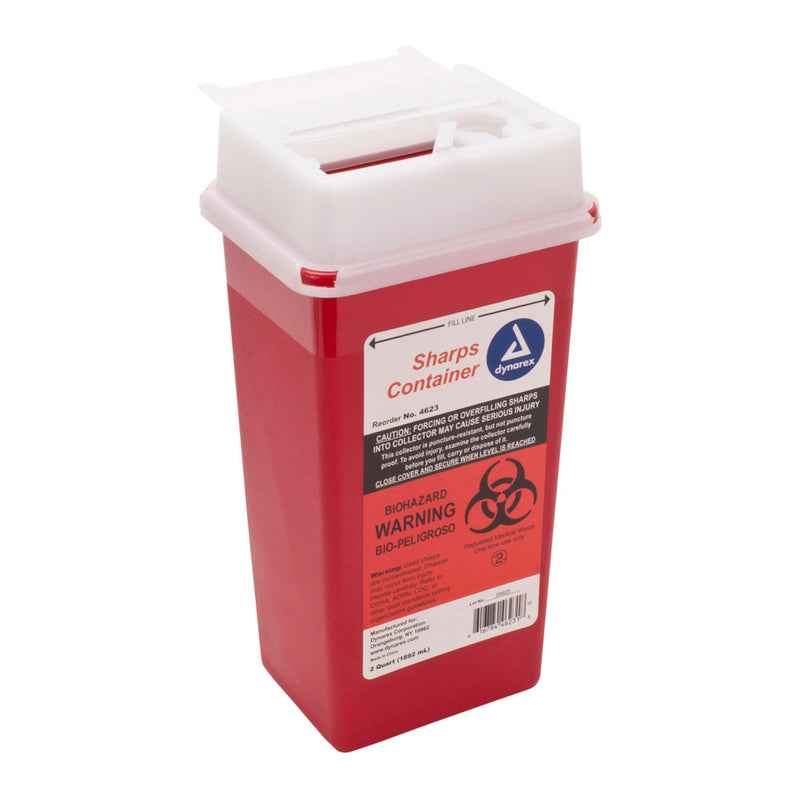
Dynarex
Sharps Bio Hazard Tattoo Container 1 Quart.
View at Miami Tattoo Supplies: Sharps Bio Hazard Tattoo Container 1 Quart.
Frequently asked questions
Can I teach myself to tattoo?
You can teach yourself to draw and practice machine control on synthetic skin. You should not teach yourself on people. Needle depth, infection control and client care are learned under a mentor, and in most states, Florida included, you need a license before you tattoo anyone.
Is it legal to tattoo at home if I don't charge?
Not in Florida. The Department of Health says tattooing must take place in a licensed establishment by a licensed artist whether or not a fee is charged, and home tattooing is not permitted. Other states have their own rules, so check with your local health department.
What should I practice on first?
Paper, then practice skin. Draw daily to build line control, then use flat rubber or silicone practice sheets for machine drills: straight lines, circles, shading gradients and cartridge changes. Move to curved silicone or 3D forms once flat lines are consistent.
Can I practice on fruit instead of practice skin?
Some people do, but synthetic practice skin is cheap, consistent and closer to the feel of tattooing. Whatever you practice on, treat the session as real: gloves, barriers, single-use ink caps and a sharps container.
Do I need a license to practice on fake skin?
Florida's licensing requirement is about tattooing a person, so practicing on synthetic skin is not tattooing someone. Rules differ by state, so confirm with your health department, and never let practice drift onto a friend's arm.