Tattoo Apprentice Supply List: What to Buy, and When
Short answer
What supplies does a tattoo apprentice need?
A tattoo apprentice needs drawing supplies first, then practice skin, stencil paper, a skin marker, gloves, ink caps, barrier supplies and a sharps container for practice sessions, and only then a machine, power source and cartridges that the mentor approves. Shop consumables for client work are usually supplied by the shop. Ask your mentor before buying anything over a few dollars.
Key takeaways
- Ask your mentor before you buy: shops have set machines, cartridges and inks, and buying early often means buying twice.
- Stage one is drawing materials; stage two is practice skin, stencil supplies and hygiene consumables; stage three is a mentor-approved machine.
- Practice with the same hygiene consumables a shop uses, so the habits are in place before you work on clients.
- You will need a bloodborne pathogens course and, in most states, a license before tattooing anyone; budget for both.
On this page 7 sections
New apprentices tend to arrive with either nothing or a box of gear their mentor will never let them use. The right list is in between, and it comes in stages, because what you need in your first month is not what you need when you start on clients.
This list is published by Miami Tattoo Supplies, a tattoo supply store in Hollywood, Florida. Prices are the store's listings at the time of writing (November 2026), and most of stage two sits in its practice skin collection.
Ask your mentor first
Before you buy anything that costs more than a few dollars, ask your mentor. Most shops have a set machine, cartridge brand and ink line, and they will want you learning on the same equipment you will use with them. Some mentors provide practice gear; others hand you a list. Either way, their list beats ours.
Stage one: before and during the first weeks
Your first job as an apprentice is mostly drawing, cleaning and watching, so stage one is a drawing kit.
- sketchbooks and loose drawing paper;
- graphite pencils in a few grades, an eraser and a sharpener;
- fineliners in several widths for clean line work;
- tracing paper, for redrawing flash and refining designs;
- a ruler and a set of curves or a compass.
Most of this comes from an art store. One tattoo-specific item worth having early is a set of drawing cartridges: the Peak Dotwork ballpoint drawing cartridges are listed at $24.99 for a box of 20 and are made to fit a cartridge machine, so you can practice machine control on paper once your mentor gives you a machine.
Stage two: practice sessions on synthetic skin
When your mentor starts you on practice skin, you need the practice skin itself, the stencil supplies to put designs on it, and the same hygiene consumables a shop uses, so that the habits are correct from the start.
| Item | Example at MTS (Nov 2026) | Why |
|---|---|---|
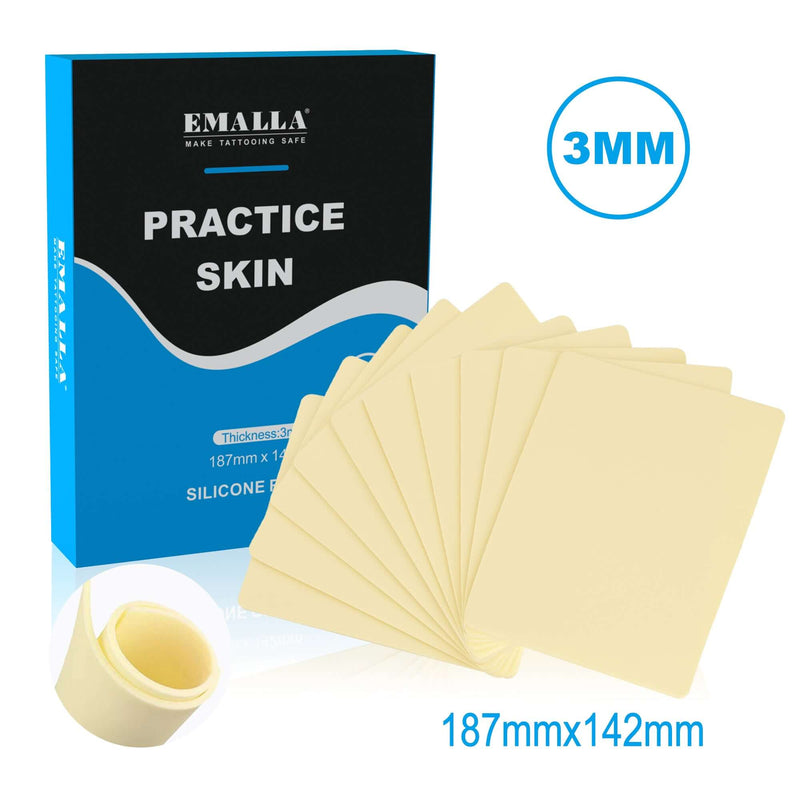
| Practice skin | Emalla small 10-pack, $25.99 | Volume for line and shading drills |
| Freehand or thermal stencil paper | Spirit Classic Freehand Paper, from $12.99 | Transferring designs |
| Stencil solution | Proton Tattoo Stencil Gel, $16 | Makes the stencil transfer and hold |
| Skin marker | Viscot Twin Tip Surgical Marker Sterile, $3.50 | Touch-ups and freehand marks |
| Ink caps | Ink Caps #9 Small, from $6.50 | Single-use ink portions |
| Gloves | Safe-Touch black nitrile, $14.99 per 100 | Fresh pair every session |
| Sharps container | Dynarex 1 quart, $8.95 | Used cartridges go straight in |
Add barrier film and machine bags if your mentor wants practice sessions fully set up; most do. The stencil supplies collection at Miami Tattoo Supplies covers the paper and solution; the best tattoo practice skin guide compares the sheets. Our guide to tattoo stencil supplies explains the difference between freehand paper, thermal paper and a stencil printer.
Stage three: your own machine and cartridges
Your own machine comes when your mentor says so, and it should be the machine they recommend. Most shops today use cartridge machines, either a wired pen with a power supply or a wireless pen with a battery.
For cartridges, a mixed starter assortment lets you learn the common groupings before you commit to boxes of each. At the time of writing, the Kwadron Essential Pack of mixed groupings is listed at $30 for 18 cartridges. Our guide to tattoo needle sizes and codes explains what the numbers mean.
For ink, start with one black from the line your shop uses; you do not need a full color set to practice. Our guide to the best tattoo ink for beginners covers the options. If you are tempted by an all-in-one kit, read whether tattoo kits are worth it first.
Stage four: when you start on clients
When your mentor moves you on to clients, the shop normally supplies the client-work consumables: gloves, barriers, disinfectant, green soap, ointment and bandages. What you need personally is the license and training.
Budget for a bloodborne pathogens course and, in most states, a license before you tattoo anyone. In Florida, for example, the Department of Health requires a tattoo artist license for anyone who tattoos another person, apprentices included, after a Department-approved bloodborne pathogens and communicable diseases course. See how to get a tattoo license in Florida for the steps. When it is time to set up your own station, our station setup guide walks through it.
What not to buy as an apprentice
Skip studio furniture, a full ink set, more than one machine, and anything your mentor has not asked for. Skip unbranded inks and needles with no sterilization information entirely. The money is better spent on practice skin, which you will go through faster than you expect.
If you are ordering from Miami Tattoo Supplies, the store's shipping policy offers free shipping on orders over $100 at the time of writing, so it can make sense to combine practice skin, stencil supplies and consumables in one order.
Gear mentioned
Products from the Miami Tattoo Supplies catalog, the publisher of this site. Check current price and stock on the store.
Emalla
EMALLA Small Tattoo Practice Skin (10pcs)
View at Miami Tattoo Supplies: EMALLA Small Tattoo Practice Skin (10pcs)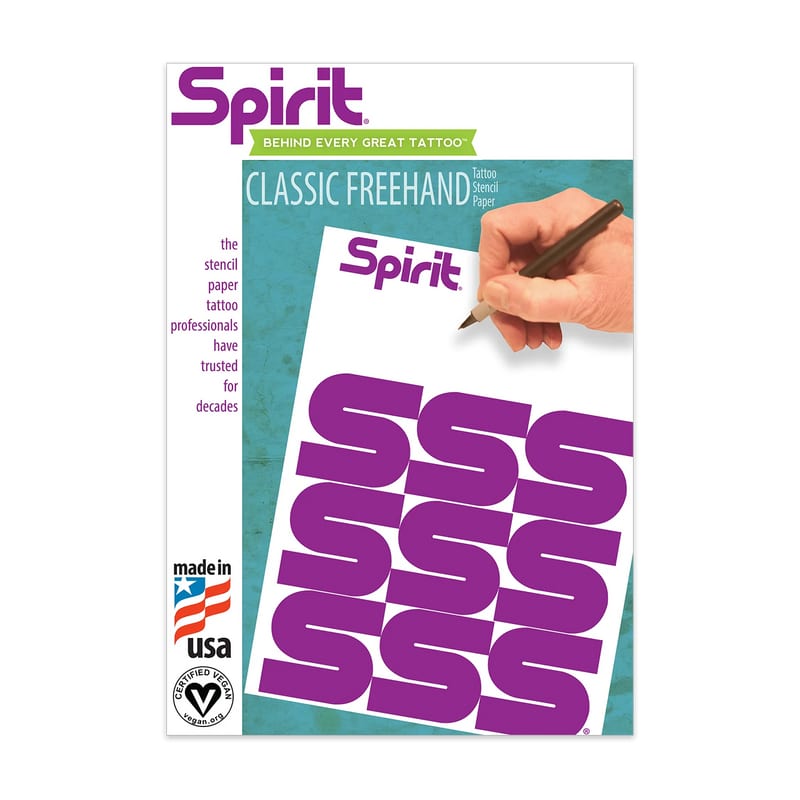
Classic FREEHAND Paper By Spirit 8.5 X 11
View at Miami Tattoo Supplies: Classic FREEHAND Paper By Spirit 8.5 X 11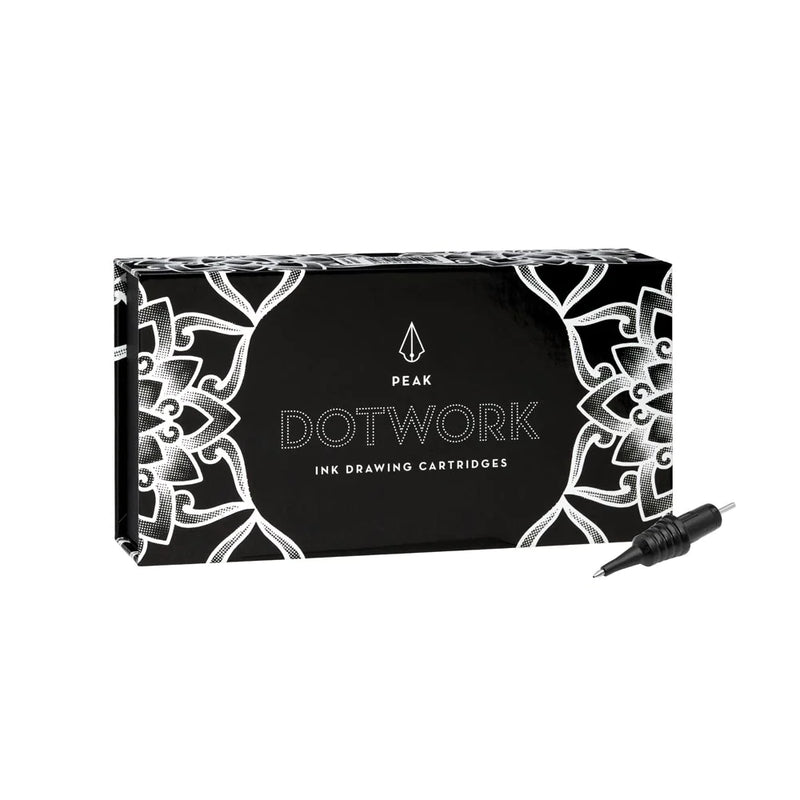
Peak
Peak Dotwork Ink Drawing Cartridge for Versatile Artistic Applications - Box of 20
View at Miami Tattoo Supplies: Peak Dotwork Ink Drawing Cartridge for Versatile Artistic Applications - Box of 20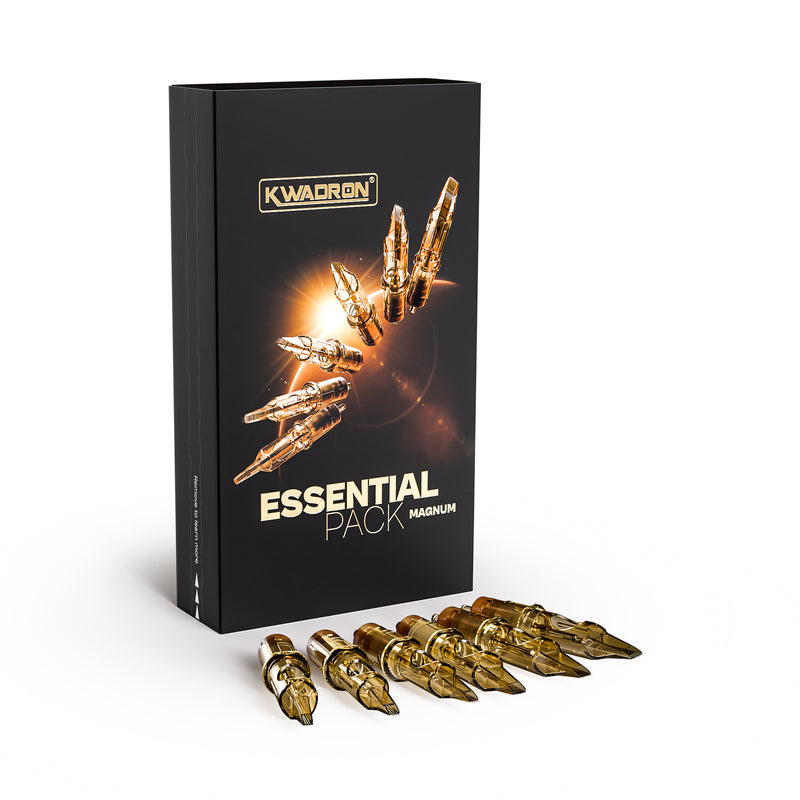
Kwadron
Kwadron Cartridge Needles - Essential Pack Tattoo Cartridges 18pcs
View at Miami Tattoo Supplies: Kwadron Cartridge Needles - Essential Pack Tattoo Cartridges 18pcs
Ink Caps (#9) Small For Tattoo Ink-Cups
View at Miami Tattoo Supplies: Ink Caps (#9) Small For Tattoo Ink-Cups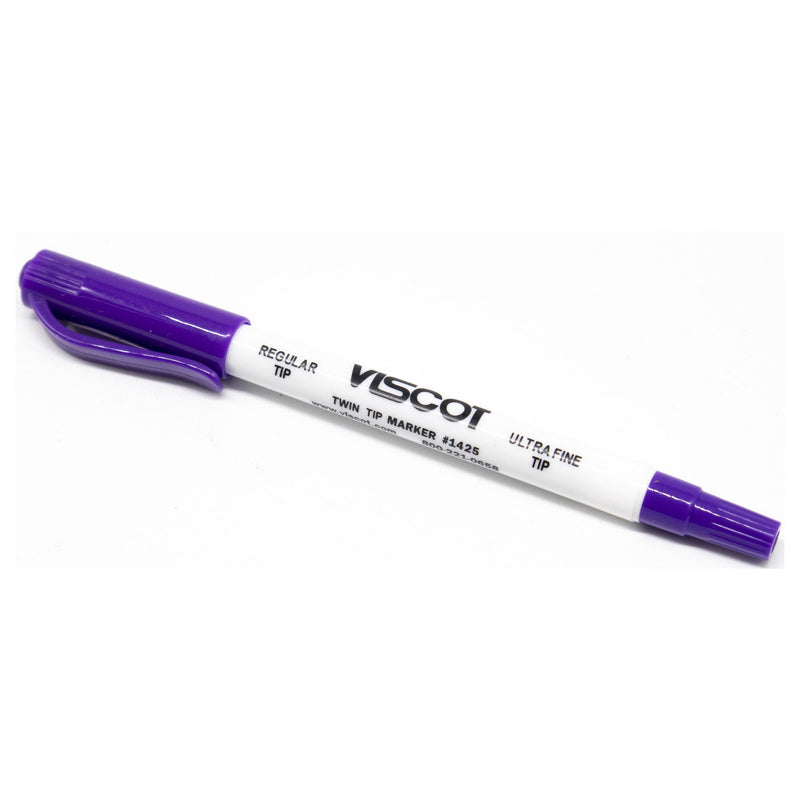
Viscot
Viscot Twin Tip Surgical Marker Sterile
View at Miami Tattoo Supplies: Viscot Twin Tip Surgical Marker Sterile
Frequently asked questions
Do tattoo apprentices have to buy their own equipment?
It depends on the shop. Some provide practice equipment and all client consumables; others expect apprentices to buy their own machine and practice supplies. Ask your mentor before you buy anything significant, and get the arrangement in writing at the start of the apprenticeship.
What machine should a tattoo apprentice buy?
The one your mentor recommends. Shops tend to standardize on a machine type and cartridge system, and learning on the same setup makes supervision easier. A cartridge pen machine is the most common choice today, either wired with a power supply or wireless with a battery.
How much practice skin does an apprentice need?
More than you would think. Line and shading drills fill sheets quickly, so buy cheap flat sheets in quantity and a branded pack for stencil and design work. Add silicone forms later for curved surfaces and portfolio pieces.
Should an apprentice buy a full ink set?
No. Start with one black from the line your shop uses, plus whatever your mentor asks for. Color sets make sense once you are tattooing color under supervision. Bottles are usually printed with an expiry date, so buying a large set early can waste money.
Does an apprentice need a license?
In many states, yes, as soon as they tattoo a person. Florida's Department of Health says students and apprentices who tattoo other people as part of training need a tattoo artist license. Practicing on synthetic skin is different; check your own state's rules with the local health department.