
What Causes Tattoo Blowouts and How Artists Avoid Them
Short answer
What causes a tattoo blowout?
A tattoo blowout happens when ink is placed too deep, below the dermis into the fatty layer underneath, where it spreads and shows as a blurry halo around the lines. The causes are too much needle depth, a shallow machine angle, thin or loose skin, a heavy hand, and overworking one spot. Artists avoid it with correct needle hang, a steady angle and stretch, and practice under a mentor.
Key takeaways
- A blowout is ink that has gone below the dermis into the subcutaneous fat, where it spreads instead of holding a line.
- Depth is the main cause; a flat machine angle, loose skin and repeated passes over one spot add to the risk.
- Thin-skinned areas such as the inner arm, ribs, hands and feet need a lighter touch and less depth.
- Supplies play in: too much needle hang, a hard long stroke on thin skin, or voltage mismatched to hand speed.
- A blowout is usually permanent; options such as laser treatment are a matter for a dermatologist, so prevention is the real answer.
On this page 6 sections
A blowout is the mistake clients notice and artists remember: a line that heals with a blue-grey haze around it, as if the ink bled into the skin. It is a technique problem first, but the machine setup can make it far more or less likely. This page explains what a blowout is in terms of skin structure, what causes it, and how artists set up their supplies to avoid it. It is for apprentices learning on practice skin under a licensed mentor, and it is general information, not medical advice. It is published by Miami Tattoo Supplies (MTS); the practice skin collection at Miami Tattoo Supplies is where most of this learning happens.
What is a tattoo blowout?
It is ink that has gone too deep. Skin has three layers: the epidermis on the surface, the dermis below it, and the subcutis, a network of fat and collagen, underneath. The National Cancer Institute gives the dermis as 1.5 to 4 mm thick. Tattoo ink belongs in the dermis, which holds pigment in place.
When the needle drives ink below the dermis into the looser fatty layer, the ink does not stay where it was put. It spreads sideways, and the line heals with a soft, smudged halo. Dermatologists who reported a blowout case in the Journal of Drugs in Dermatology describe the phenomenon as thought to occur when ink is injected too deeply, and their biopsies found pigment in the dermis and the subcutaneous fat, deeper than expected.
What causes blowouts?
| Cause | Why it leads to a blowout | What to do |
|---|---|---|
| Too much needle depth | Ink is pushed past the dermis | Reduce hang; lighter hand |
| Shallow (flat) machine angle | Needle travels sideways under the skin | Keep the machine more upright and steady |
| Thin skin areas | Less dermis to work in | Less depth and a softer setup |
| Loose or over-stretched skin | Depth changes as the skin moves | Even, flat stretch |
| Overworking one spot | Repeated trauma in one place | Fewer, cleaner passes |
| Slow hand with a fast machine | Needle hits the same spot too often | Match hand speed and voltage |
Depth
The main cause. FK Irons lists too much depth as one of the most common errors, often made because the artist worries the ink will not hold, and says the signs are heavy bleeding, swelling and more pain than the spot should cause. Going deeper does not make a tattoo more permanent; it damages the skin. The needle depth guide explains the layers.
Angle
A needle that enters at a shallow, flat angle can deposit ink sideways under the surface instead of straight down. Keep the machine at a consistent, fairly upright angle through each pass.
Thin and loose skin
Skin thickness varies across the body. FK Irons names the inner arms, ribs and hands as thinner, softer skin that needs a lighter touch and less depth, and says bony areas such as ribs, feet and hands need a shallower setting. Older skin is thinner too. Loose skin moves under the needle, so the depth changes as you work; stretch it flat and evenly.
Overworking
Each pass is trauma. Going over the same line or patch repeatedly to fix it increases the chance that ink is pushed too deep. If a line needs more weight, use a bigger liner for one clean pass rather than tracing a small one again. The lining guide covers this.
What do supplies have to do with blowouts?
The machine setup does not cause a blowout by itself, but it can make one easy:
- Needle hang. More hang means more depth at the same hand pressure. FK Irons advises starting with less extension than you think you need, and notes that a harder-hitting machine may need less protrusion.
- Stroke and hit. A long, hard-hitting stroke drives the needle further. On thin skin, a softer stroke or a machine with give is more forgiving. FK Irons claims that zero give on thin skin raises blowout risk, and suggests more give for soft shading; see machine give explained.
- Voltage and hand speed. FK Irons says skin damage increases when the machine cycles faster than your hand moves forward, because the same spot is hit repeatedly. Match the two.
- Needle grouping. A grouping too small for the area means more passes. Size the needle to the job.
An adjustable pen such as the Emalla Grand G5 Pro (2.4 to 4.2 mm stroke, with E-Soft give, $429 at MTS at the time of writing) lets a learner feel the difference between a soft and a hard setup on practice skin.
How do artists avoid blowouts?
- Set needle hang conservatively and test on practice skin before every new setup.
- Check the area first: thinner skin gets less depth and a softer setup.
- Stretch the skin flat and evenly, without overstretching.
- Hold a steady, fairly upright angle.
- Match hand speed to machine speed, and keep passes to a minimum.
- Work under a licensed mentor until depth is second nature.
Can a blowout be fixed?
Not by the artist re-tattooing the line. Ink in the fat layer is generally considered permanent. The Journal of Drugs in Dermatology case describes a blowout treated with a Q-switched Nd:YAG laser, and cover-up designs are sometimes used to hide one, but any laser or medical treatment is a question for a dermatologist. A blowout that is red, hot, swollen or painful may not be a blowout at all; anyone with signs of infection should see a doctor.
Gear mentioned
Products from the Miami Tattoo Supplies catalog, the publisher of this site. Check current price and stock on the store.
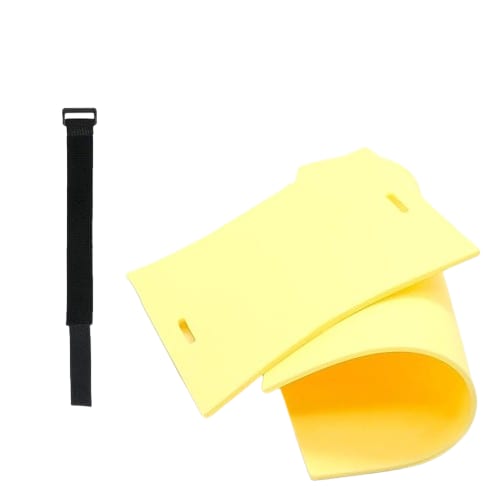
HQ Silicone Practice Skin with Straps 8x8
View at Miami Tattoo Supplies: HQ Silicone Practice Skin with Straps 8x8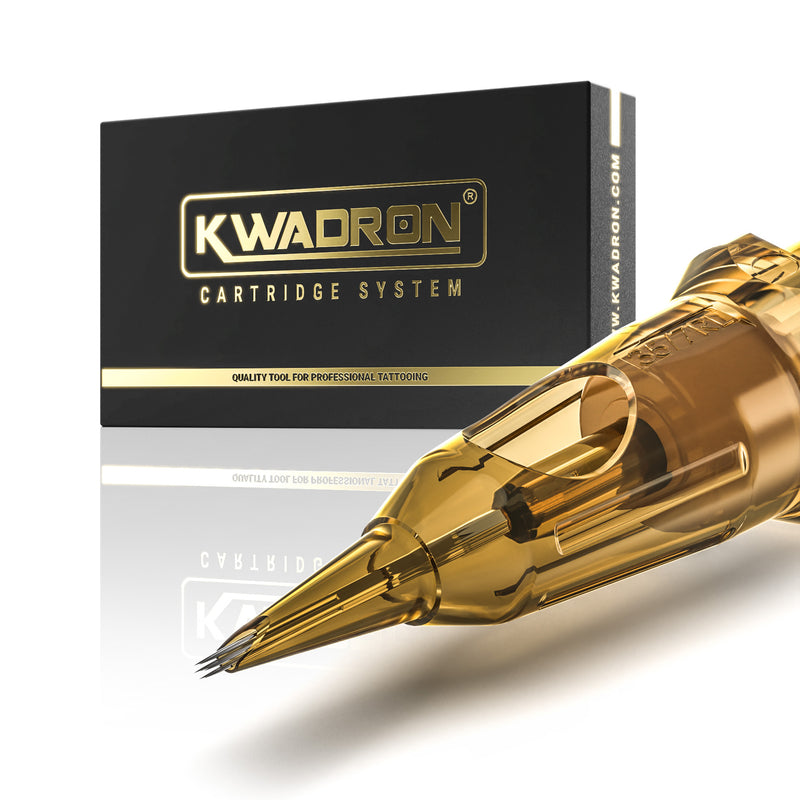
Kwadron
Kwadron Cartridge Needles - Round Liner (RL) Tattoo Cartridges 20pcs
View at Miami Tattoo Supplies: Kwadron Cartridge Needles - Round Liner (RL) Tattoo Cartridges 20pcs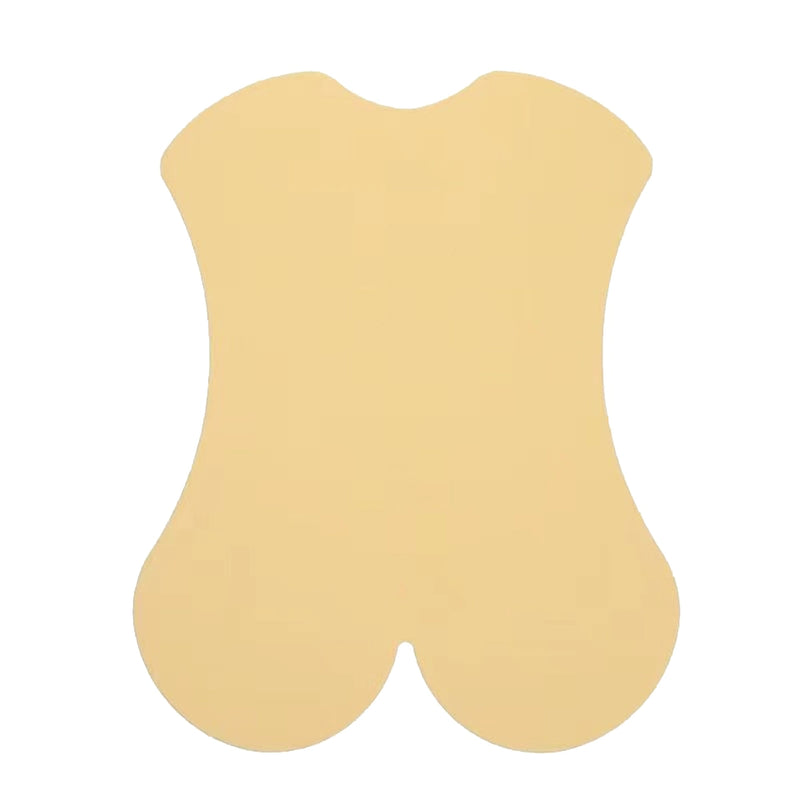
HQ Silicone Practice Skin Full Back 15'x20'
View at Miami Tattoo Supplies: HQ Silicone Practice Skin Full Back 15'x20'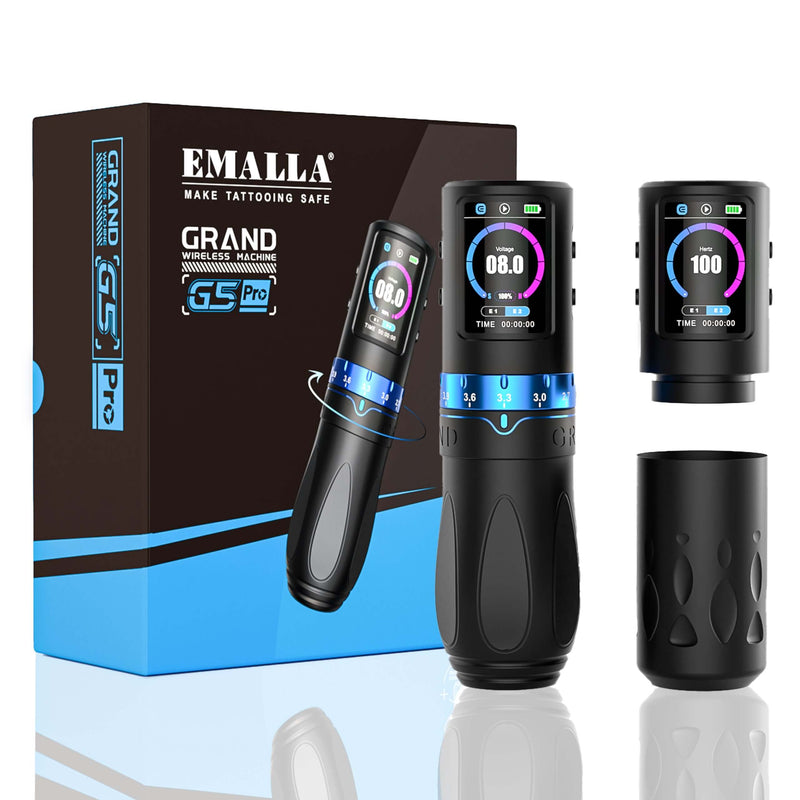
Emalla
EMALLA Grand G5 Pro Wireless Tattoo Pen Machine (Adjustable Strokes)
View at Miami Tattoo Supplies: EMALLA Grand G5 Pro Wireless Tattoo Pen Machine (Adjustable Strokes)
Bishop
Bishop Da Vinci V2 Tattoo Cartridge Needles 20pcs - Round Liners
View at Miami Tattoo Supplies: Bishop Da Vinci V2 Tattoo Cartridge Needles 20pcs - Round Liners
Frequently asked questions
How can you tell a blowout from normal healing?
A blowout is a blurry, blue or grey haze spreading beyond the line, and it does not fade as the tattoo heals. Swelling, redness and slight shine around fresh lines are common in the first days and usually settle. If a haze is still there once the tattoo has fully healed, it is likely a blowout.
Are blowouts the artist's fault?
Usually they come from technique: depth, angle, overworking or reading the skin wrongly. Some areas and skin types are harder, and a client moving or skin shifting can contribute. That is why apprentices learn depth on practice skin and under a licensed mentor before working on clients, and why thin-skinned placements are approached with a lighter setup.
Which body parts are most prone to blowouts?
Areas with thin or loose skin: the inner arm, ribs, hands, feet and other bony areas. FK Irons names thinner, softer skin on the inner arms, ribs and hands as needing less depth, and bony areas as needing a shallower setting. Older skin is also thinner and more fragile.
Can a blowout get worse over time?
Ink in the fat layer is generally considered permanent, and the lines of every tattoo also soften slightly over the years as skin cells take up ink. A blowout that seems to spread, or any change with pain or swelling, should be looked at by a dermatologist rather than tattooed over.
Does needle size cause blowouts?
Not directly. Depth, angle and overworking cause blowouts. But a grouping that is too small for the area leads to more passes over the same skin, which raises the risk, and a long needle hang on a hard-hitting machine makes it easier to go too deep. Size the needle to the job and test the setup first.
Sources
- National Cancer Institute SEER Training — Layers of the Skin
- Journal of Drugs in Dermatology — Blue Foot: A Second Case of Tattoo Blow-out Pigment Spread (Khetarpal et al., 2010)
- FK Irons — Tattoo Needle Depth: How to Set It Correctly
- FK Irons — What Is Give in a Tattoo Machine?
- FK Irons — How to Master Your Tattoo Machine Voltage