
12 Beginner Tattooing Mistakes and How to Avoid Them
Short answer
What are common beginner tattooing mistakes?
The most common beginner tattooing mistakes are tattooing people before training and a license, skipping hygiene routines, choosing the wrong needle grouping, going too deep or overworking the skin, guessing at voltage and hand speed, rushing the stencil, and buying cheap unbranded inks and needles. Most are avoided by practicing on synthetic skin under a mentor and changing one variable at a time.
Key takeaways
- The costliest mistake is tattooing people before an apprenticeship, bloodborne pathogens training and a license.
- Practice skin trains your hands, but it cannot show you depth or skin trauma; a mentor has to.
- Change one variable at a time, whether needle, voltage or hand speed, so you learn what each one does.
- Supply mistakes are cheap to fix: branded sterile cartridges, a stable power supply and a thin coat of stencil solution.
On this page 5 sections
Every artist makes beginner mistakes. The goal is to make them on practice skin, under a mentor, rather than on a client who has to wear them. These are twelve of the most common, grouped by when they happen.
This list is published by Miami Tattoo Supplies, a tattoo supply store in Hollywood, Florida, and most of these mistakes belong on its practice skin rather than on a person. Where a mistake has a supply fix, we say which product helps and what it costs at the time of writing (November 2026).
Mistakes before you pick up a machine
1. Buying equipment before learning to draw
A machine does not make a tattoo; a drawing does. Beginners who spend their budget on gear before they can draw a clean line end up practicing bad designs with expensive tools. Draw daily, build a portfolio, and let a mentor tell you what to buy.
2. Tattooing people before training and a license
This is the mistake that harms other people. Tattooing friends or yourself at home, without an apprenticeship, bloodborne pathogens training or a license, risks infection and permanent damage, and it is illegal in many states. Florida, for example, requires anyone who tattoos another person to hold a Department of Health license and to work in a licensed establishment. Our guide to starting to tattoo safely sets out the legal route.
3. Treating practice sessions casually
Skipping gloves, barriers and a sharps container because "it is only fake skin" trains the wrong habits. Set up and break down every practice session the way a shop does, so the routine is automatic by the time it matters.
Technique mistakes
4. Using the wrong needle grouping
Lining with a grouping too large for the detail, or shading with a liner, makes every job harder. Liners are for lines, shaders and magnums for filling and shading, and the size should match the line weight in the design. Our guide to round liner vs round shader needles explains the difference. Kwadron round liner cartridges are listed from $31.49 for a box of 20 at Miami Tattoo Supplies at the time of writing.
5. Going too deep, or not deep enough
Depth is the hardest thing to learn and the one practice skin teaches least. Too deep causes blowouts, where ink spreads under the skin into a blurry halo; too shallow leaves lines that fade or fall out in healing. Our guide to how deep a tattoo needle should go covers the principle, what causes tattoo blowouts and why tattoo ink is not staying in cover the two failure modes; your mentor teaches the feel.
6. Overworking the skin
Going over the same area again and again to make it look solid traumatizes the skin, which can lead to heavy scabbing and patchy healing. Practice skin will happily take dozens of passes without complaint, so it hides this mistake. Learn to pack or shade in as few controlled passes as the job needs.
7. Hand speed that does not match the machine
Moving your hand too fast for the machine leaves gaps and dotted lines; moving too slowly overworks the skin. Practice steady hand speed on long straight lines and circles until the line is consistent, then keep the machine setting fixed while you learn.
8. Guessing at voltage
Turning the voltage up and down to fix problems that are really hand speed or depth makes it impossible to learn what anything does. Start in the range the machine's manufacturer recommends, change one thing at a time, and write down what works. Our tattoo machine voltage guide explains how voltage, stroke and speed interact. A stable power supply helps; the Salvation Dual Input Digital Power Supply is listed at $29.95 at the time of writing.
9. Not stretching the skin
Loose skin moves under the needle and makes lines wobble. A good stretch, held consistently, is part of every pass. It is hard to practice on a flat sheet, which is one reason to move to silicone practice skin strapped around a curve once your lines are steady.
Setup and supply mistakes
10. Too much stencil solution, or no drying time
A thick layer of stencil solution blurs the transfer, and starting before it dries wipes the stencil off mid-outline. Use a thin, even coat, press without sliding, and wait the drying time on the label. Our guide to applying a tattoo stencil covers each step; Hornet Honey Stencil is listed at $26.99 at the time of writing.
11. Dipping into the bottle or reusing ink
Pour ink into single-use ink caps for each session and throw the leftovers away. Dipping into a bottle or pouring ink back contaminates the whole bottle. Small #9 ink caps are listed from $6.50 a bag.
12. Buying unbranded needles and inks
Needles that do not state a sterilization method, lot number and expiry date, and inks with no ingredient or lot information, are a false economy. Use branded, sterile cartridges and known ink lines, even for practice, so you learn on the equipment you will use professionally.
How to avoid most of these
Most of the twelve come down to the same three habits: practice on synthetic skin before people, change one variable at a time, and have an experienced artist watch your work. Our comparison of the best tattoo practice skin shows which sheets suit which drills, and the practice skin collection at Miami Tattoo Supplies starts at a couple of dollars a sheet.
Watch
Gear mentioned
Products from the Miami Tattoo Supplies catalog, the publisher of this site. Check current price and stock on the store.
Emalla
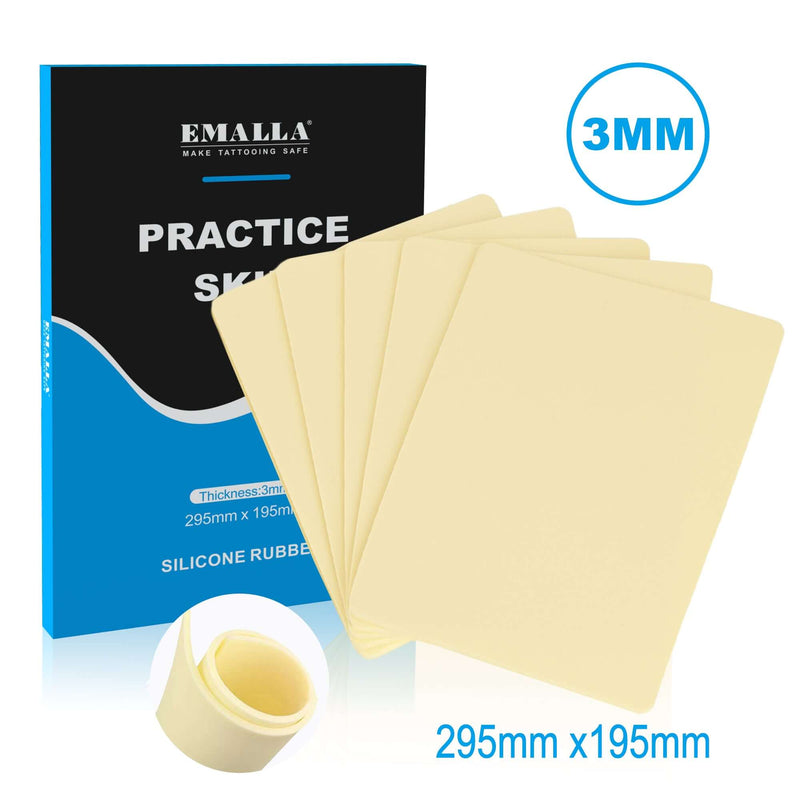
EMALLA Large Tattoo Practice Skin (5pcs)
View at Miami Tattoo Supplies: EMALLA Large Tattoo Practice Skin (5pcs)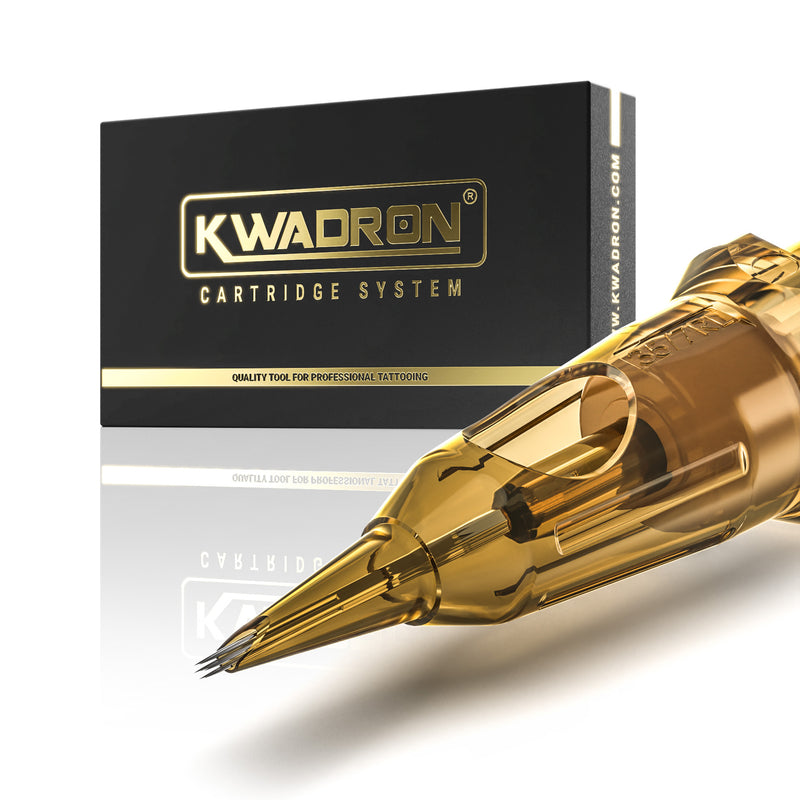
Kwadron
Kwadron Cartridge Needles - Round Liner (RL) Tattoo Cartridges 20pcs
View at Miami Tattoo Supplies: Kwadron Cartridge Needles - Round Liner (RL) Tattoo Cartridges 20pcs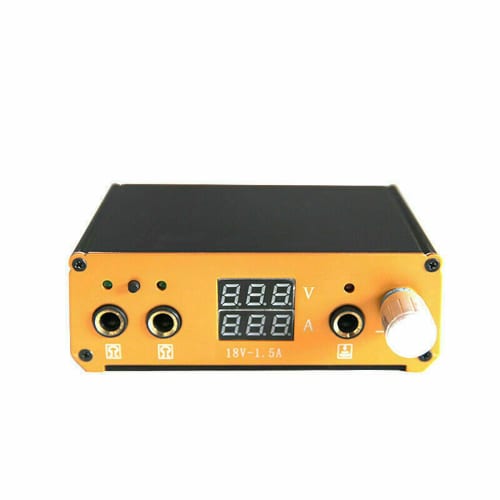
Salvation Dual Input Digital Power Supply
View at Miami Tattoo Supplies: Salvation Dual Input Digital Power Supply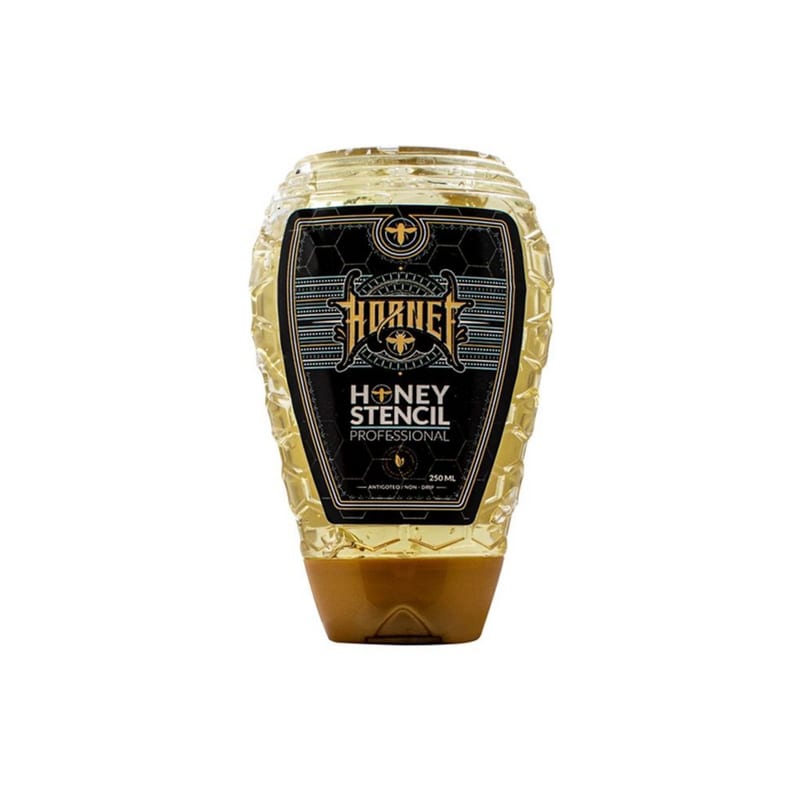
Hornet
Hornet Honey Stencil - 8.5oz (250ml)
View at Miami Tattoo Supplies: Hornet Honey Stencil - 8.5oz (250ml)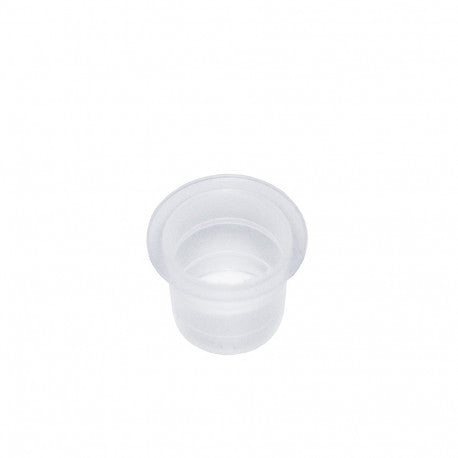
Ink Caps (#9) Small For Tattoo Ink-Cups
View at Miami Tattoo Supplies: Ink Caps (#9) Small For Tattoo Ink-Cups
Frequently asked questions
What is the most common beginner tattoo mistake?
Technically, it is usually depth: going too deep and causing blowouts, or too shallow so lines fade. The most serious mistake is tattooing people before training and a license. Both are avoided by practicing on synthetic skin and learning depth under a mentor.
How do I stop blowouts when tattooing?
Blowouts usually come from going too deep, often combined with a poor stretch or too steep a needle angle. Work at a consistent, shallow-enough depth, keep the skin stretched and your hand speed steady, and have a mentor check your work. Practice skin cannot show you blowouts reliably.
Why are my tattoo lines shaky?
Shaky lines usually come from hand speed that changes during the line, loose skin, or stopping and restarting. Practice long, single-pass lines and circles on practice skin, brace your hand, keep the skin stretched, and do not change the machine settings while you are learning.
Should beginners practice on themselves?
No. Tattooing yourself carries the same infection risks as tattooing someone else, and in states such as Florida tattooing must take place in a licensed establishment. Practice on synthetic skin until you have the training, mentor approval and license your state requires.
What voltage should a beginner use?
Start within the range your machine's manufacturer recommends and ask your mentor; the right voltage depends on the machine, its stroke, the needle and the job. Change one variable at a time so you can tell whether a problem comes from voltage, hand speed or depth.