Bloodborne Pathogens Training for Tattoo Artists: What You Need
Short answer
Do tattoo artists need bloodborne pathogens training?
Yes. Tattoo shops with employees must train them under OSHA's Bloodborne Pathogens Standard, 29 CFR 1910.1030, at the start of the job and at least once a year. Separately, many states require a specific approved course before they license you; Florida requires a Department of Health approved bloodborne pathogens and communicable diseases course passed at 70% or higher. The two requirements are not interchangeable.
Key takeaways
- OSHA's standard covers employees: employers must provide training at initial assignment and at least annually, at no cost and during working hours.
- State licensing courses are a separate requirement, and each state sets its own; a generic workplace course may not count.
- Florida requires a Department-approved, tattoo-specific course of at least three hours with a 50-question exam and a 70% pass mark.
- OSHA training must include a chance to ask questions of a knowledgeable trainer, and Florida's approved courses must offer interactive questions and answers too.
On this page 7 sections
Every tattoo puts a needle through skin, so every tattoo artist works with blood. Bloodborne pathogens training is how you learn to stop HIV, hepatitis B and hepatitis C moving from one client to the next, or to you. The confusing part is that two different rulebooks require it, for different reasons, and a certificate that satisfies one may not satisfy the other.
This guide is published by Miami Tattoo Supplies, a tattoo supply store in Hollywood, Florida, that sells the gloves, sharps containers and disinfectants this training is about. It summarizes the federal standard and Florida's rule as published in November 2026; confirm your own obligations with OSHA and your state or county health department.
The short answer: two separate requirements
Tattoo artists usually face two training requirements, and they are not interchangeable.
| OSHA Bloodborne Pathogens Standard | State license course (Florida example) | |
|---|---|---|
| Legal basis | 29 CFR 1910.1030 | Section 381.00775, F.S.; Rule 64E-28.006, F.A.C. |
| Who it applies to | Employers, for their exposed employees | Anyone applying for a tattoo license or guest registration |
| Content | General, plus site-specific information | Tattoo-specific, Department-approved |
| How often | At initial assignment, then at least annually | Once, for initial licensure; certificate does not expire |
| Who pays | The employer, at no cost to the employee | The applicant |
What OSHA's standard requires
OSHA's Bloodborne Pathogens Standard, 29 CFR 1910.1030, applies to all occupational exposure to blood or other potentially infectious materials. For a tattoo shop with employees, that means:
- A written exposure control plan, reviewed and updated at least once a year.
- Training at the time of initial assignment to tasks with exposure and at least annually after that, within one year of the previous session. It must be provided at no cost to the employee and during working hours.
- Hepatitis B vaccination offered at no cost after training and within 10 working days of initial assignment, unless the employee has already been vaccinated, is immune, or has a medical reason not to.
- Engineering and work practice controls, such as readily accessible handwashing and labeled, puncture-resistant sharps containers. Contaminated needles may not be bent, recapped or removed except in narrow circumstances.
- Training records kept for three years.
OSHA has also said, in a 2008 letter on training for tattoo and body piercing artists, that industry-specific information and some site-specific information are needed for the training to do its job.
Does OSHA cover self-employed tattoo artists?
It depends on whether you are actually an employee. In a 2016 interpretation letter about tattoo parlors, OSHA said the OSH Act covers employees, not individuals working only as independent contractors. Whether an artist is an employee depends on whether the shop has the right to control the manner and means of the work, judged on factors such as who supplies the tools, how the artist is paid and how long the relationship lasts. Calling someone an independent contractor in a contract does not settle it.
If the artist is an employee under that test, the shop owes them all the protections of the standard. If you are genuinely self-employed, OSHA's standard may not apply to you, but your state's licensing course still does, and the infection risk is the same either way.
State license courses differ
Each state sets its own licensing rules, and many require a specific approved course. A generic online "OSHA bloodborne pathogens" certificate may not be accepted, so check with your state or county health department before you pay for one.
Florida is a clear example. The Department of Health requires a Department-approved bloodborne pathogens and communicable diseases course, passed with at least 70%, for a tattoo artist license or guest registration. Under Rule 64E-28.006, approved courses must be specific to the tattoo industry, last at least three hours excluding the exam, include interactive questions and answers with the instructor, and end with a written exam of at least 50 questions. Classroom and internet courses are both allowed, and internet courses must verify the student's identity throughout.
The Department lists approved providers on its training page, several with listed fees and some teaching in Spanish. Our guide to getting a tattoo license in Florida covers the rest of the application.
What the training covers
A good course gives you the knowledge to work safely, not just a certificate. Under OSHA's standard, employee training must cover, at a minimum:
- the standard itself, and the shop's exposure control plan;
- how bloodborne diseases spread, and their symptoms;
- which tasks involve exposure, and the controls and protective equipment that reduce it;
- the hepatitis B vaccine;
- what to do and whom to contact after an exposure incident, and the follow-up that must be offered;
- signs, labels and color coding;
- an opportunity for interactive questions and answers with a knowledgeable trainer.
Florida's approved courses must cover bloodborne pathogens such as HIV and hepatitis B and C, and communicable diseases including hepatitis A, staph infections including MRSA, tuberculosis, impetigo, scabies, ringworm, molluscum contagiosum, herpes simplex and herpes zoster: how each is identified and transmitted, its incubation and communicable periods, and how to prevent transmission in a tattoo setting.
Putting the training into practice
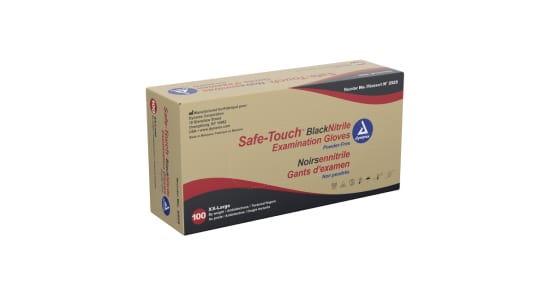
The course explains the risks; your daily routine controls them. That means fresh gloves every session, barriers on everything you touch, single-use ink caps, sharps straight into a container, and surfaces disinfected after every client. Our guides to sharps disposal, gloves for tattooing and studio hygiene supplies cover the equipment. At the time of writing (November 2026), Miami Tattoo Supplies lists a 1-gallon sharps container at $12.95 and the Safe-Touch black nitrile gloves at $14.99 per 100; disinfectants are in the cleaners and disinfectants collection.
Gear mentioned
Products from the Miami Tattoo Supplies catalog, the publisher of this site. Check current price and stock on the store.
Dynarex
Safe-Touch Black Nitrile Exam Gloves Powder-Free - Box of 100
View at Miami Tattoo Supplies: Safe-Touch Black Nitrile Exam Gloves Powder-Free - Box of 100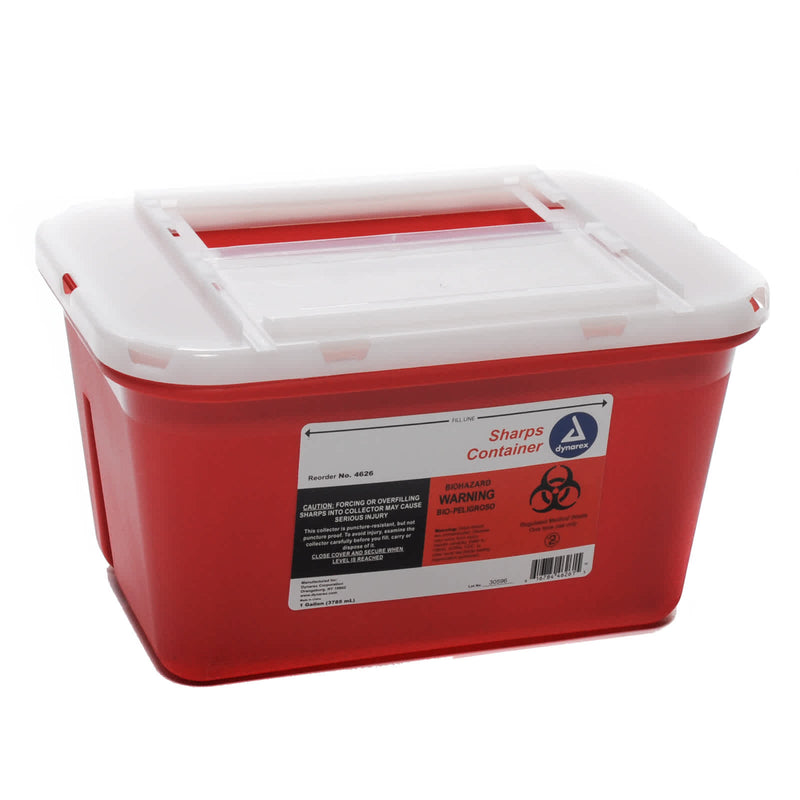
Dynarex
Sharps Bio Hazard Tattoo Container 1 Gal.
View at Miami Tattoo Supplies: Sharps Bio Hazard Tattoo Container 1 Gal.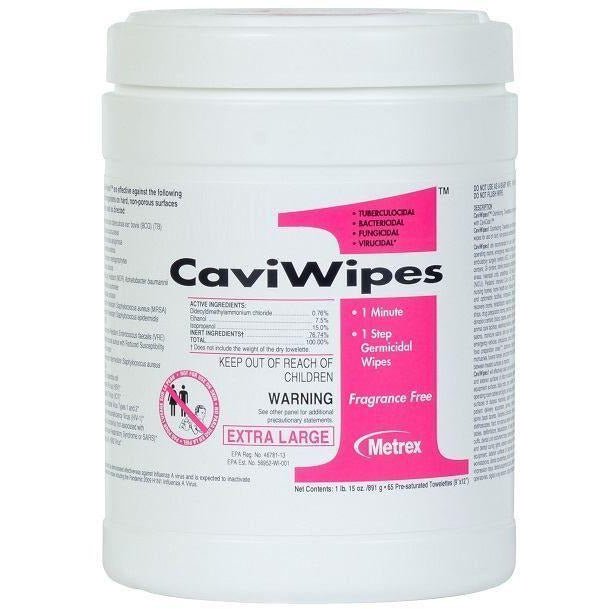
CaviCide Surface Disinfectant Wipes 160 Count
View at Miami Tattoo Supplies: CaviCide Surface Disinfectant Wipes 160 Count
Frequently asked questions
Is OSHA bloodborne pathogens training enough for a tattoo license?
Not necessarily. State licensing courses are a separate requirement, and each state decides which courses count. In Florida, the course must be on the Department of Health's approved list, be specific to the tattoo industry, and include a 50-question exam passed at 70% or higher.
How often do tattoo artists need bloodborne pathogens training?
Under OSHA's standard, employees with exposure need training when they start and at least once a year after that. For Florida licensing, the approved course is required only once, for initial licensure or registration; the Department says the certificate does not expire and renewal needs no continuing education.
Can I take bloodborne pathogens training online?
Often, yes. Florida allows internet-based approved courses with identity verification. OSHA's standard requires that employee training include an opportunity for interactive questions and answers with a knowledgeable person, so an online course needs a way to reach a qualified trainer. Check that any course is accepted by your state first.
How long is the Florida bloodborne pathogens course for tattoo artists?
Florida's rule requires approved courses to be at least three hours long, not counting the exam, followed by a written exam of at least 50 questions with a 70% pass mark. Individual providers set their own schedules and fees, which the Department lists on its training page.
Who pays for bloodborne pathogens training?
For employees covered by OSHA's standard, the employer must provide the training at no cost and during working hours, and offer the hepatitis B vaccine at no cost. A license applicant usually pays for the state-approved course personally, at the fee the provider sets.
Sources
- OSHA — Bloodborne Pathogens Standard, 29 CFR 1910.1030
- OSHA standard interpretation, June 20, 2016 — tattoo parlors and the Bloodborne Pathogens standard
- OSHA standard interpretation, July 31, 2008 — industry-specific training for tattoo and body piercing artists
- Florida Department of Health — Bloodborne Pathogens and Communicable Diseases Training
- Chapter 64E-28, Florida Administrative Code (Tattooing)