Tattoo Glide and Butter: What to Use During a Session
Short answer
What do tattoo artists use to wipe and glide during a tattoo?
Artists wipe with diluted green soap or a foam soap on a paper towel, then keep a thin layer of a glide on the skin so the needle moves smoothly and excess ink wipes off cleanly. The usual glides are tattoo butters such as Hustle Butter, ointments such as INKEEZE glides, A&D ointment, and petroleum jelly. Use thin layers from a single-client portion.
Key takeaways
- A glide reduces friction and keeps ink from staining the surrounding skin; it does not replace wiping.
- Petroleum-free butters and glides are the main alternative to petroleum jelly and A&D, which contain petrolatum.
- Heavy layers can blur the stencil and clog the needle; thin coats work better.
- Take a single-client portion from the jar with a clean tongue depressor; never go back into the jar with a used glove.
- Ask about allergies first: lanolin, fragrances and botanical extracts are common in glides.
On this page 5 sections
Every artist has a wipe-and-glide routine, and most inherited it from whoever taught them. The products have changed more than the routine has: petroleum jelly and A&D ointment are still on plenty of trays, next to plant-based butters and glides made for tattooing. This guide compares them. It is published by Miami Tattoo Supplies, and the products named are ones listed in the store's aftercare collection, with prices at the time of writing (November 2026).
What do tattoo artists use to wipe and glide?
Two things, used together:
- A wash for wiping. Diluted green soap or a foaming tattoo soap, sprayed or pumped onto a paper towel, lifts excess ink, blood and plasma so you can see the work. See what green soap is and how to dilute it.
- A glide. A thin layer of butter or ointment on the skin you are working, reapplied as it wears off. It lets the needle and your gloved hand move without drag, and stops excess ink from soaking into the skin around the lines, so it wipes off cleanly.
Glide goes on after the stencil has set; put it on too early or too heavily and you wipe the stencil away. Stencil timing is covered in how to apply a tattoo stencil.
Butters vs glides vs A&D vs petroleum jelly
| Type | Store example (Nov 2026) | Base | Trade-offs |
|---|---|---|---|
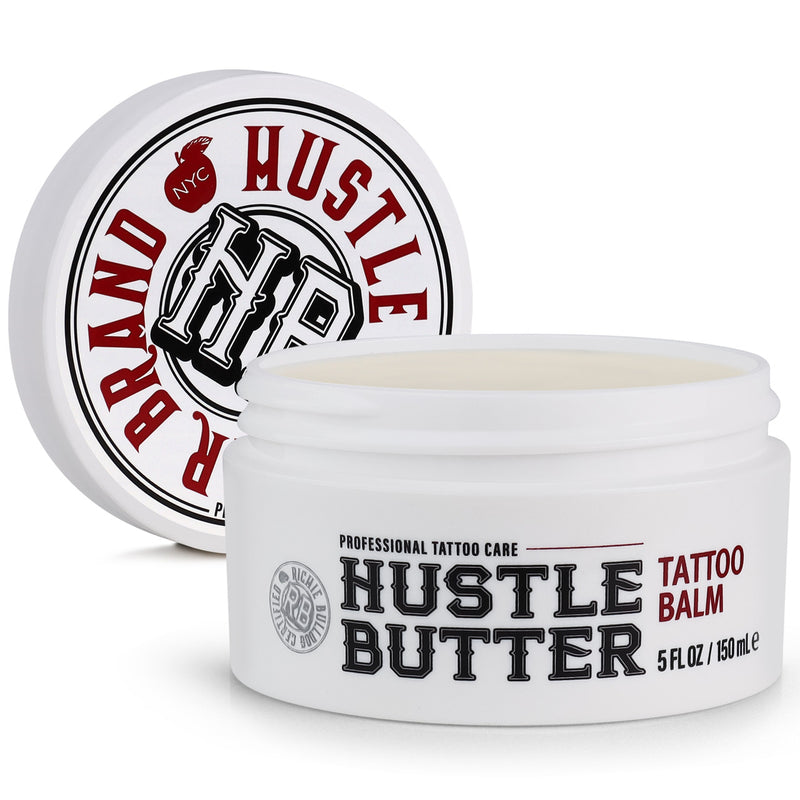
| Tattoo butter | Hustle Butter Deluxe, 1 oz $15, 5 oz $24 | Shea, mango and coconut, petroleum-free | Soft balm; also sold for aftercare |
| Tattoo glide ointment | INKEEZE Green Glide 16 oz $30; Black Glide 6 oz $27 | Non-petroleum, lanolin-free (Green) | Made for in-process use and aftercare |
| Honey butter | Hornet Honey Butter 7.5 oz $25.99 | Shea, mango, beeswax, honey extract | Listed as soft but not melting while you work |
| A&D ointment | Dynarex A&D foil packs, 144 for $16; 15 oz jar $8.95 | Lanolin and petrolatum | Cheap, single-dose packs available; contains lanolin |
| Petroleum jelly | Plain white petrolatum, jar or foil packs | Petrolatum | Cheapest, long-lasting layer; heavy if overused |
Tattoo butters
Hustle Butter's listing describes it as a petroleum-free lubricant made with shea butter, coconut oil and mango seed butter, intended both as a glide during sessions and through healing. Proton's Colours Obsession butter ($22.99) and Hornet's Honey Butter are in the same family. See the Hustle Butter brand guide.
INKEEZE glides
INKEEZE makes its glides specifically for the tattoo procedure and for aftercare. The listing for Green Glide explains the reasoning: lanolin-based ointments led to gunky tubes, so the formula is lanolin-free, with propanediol and vitamins A, C, D and E plus botanical extracts. Black Glide is listed as non-petroleum based with chia seed, turmeric and bisabolol. Pink and Purple versions are also listed at $27 per jar, and 5 ml packets exist for single-client use. More in the INKEEZE brand guide.
A&D ointment and petroleum jelly
The traditional choices. Dynarex's A&D ointment is listed as vitamins A and D in a base of anhydrous lanolin and petrolatum, and the store sells it in 5-gram foil packs, which make single-client dosing easy. Petroleum jelly is the plainest option.
Two reasons artists move away from them: lanolin, which some people are sensitive to, and petrolatum in aftercare. The American Academy of Dermatology says petroleum-based products such as petroleum jelly can cause tattoo ink to fade, and Cleveland Clinic's aftercare guidance advises avoiding petroleum jelly on a healing tattoo. That advice is about the healing weeks, not the session itself, but many artists prefer to use the same petroleum-free product in the chair and in the aftercare they send home.
How to use a glide hygienically
The jar is the risk. Once a used glove goes into it, the whole jar is contaminated.
- Take a single-client portion out at setup with a clean tongue depressor or spatula and put it on the tray liner or in an ink cap. The store lists sterile wooden tongue depressors at $9.50 per 100.
- Or use single-dose packs: A&D foil packs or glide packets.
- Discard any unused portion with the barriers at the end.
Florida's tattoo rule writes this principle into two steps: stencil product and the ointment applied after the tattoo must be packaged as a single dose or dispensed from the container as a single customer dose. Applying the same discipline to your in-process glide costs nothing.
Choosing one
- Long color or black-and-grey sessions where you want one product from start to aftercare: a petroleum-free butter or glide.
- Lowest cost per client and easy single-dose packs: A&D foil packs, if your clients have no lanolin sensitivity.
- Sensitive or reactive skin: ask about allergies at consultation and check each product's ingredient list; lanolin, fragrance and botanical extracts appear in several of these products.
The Hustle Butter Deluxe listing at Miami Tattoo Supplies has both jar sizes, and the INKEEZE Green Glide listing the jar sizes. For what to send home with the client, see best tattoo aftercare products.
Gear mentioned
Products from the Miami Tattoo Supplies catalog, the publisher of this site. Check current price and stock on the store.
Hustle Butter
Hustle Butter Deluxe Tattoo Balm
View at Miami Tattoo Supplies: Hustle Butter Deluxe Tattoo Balm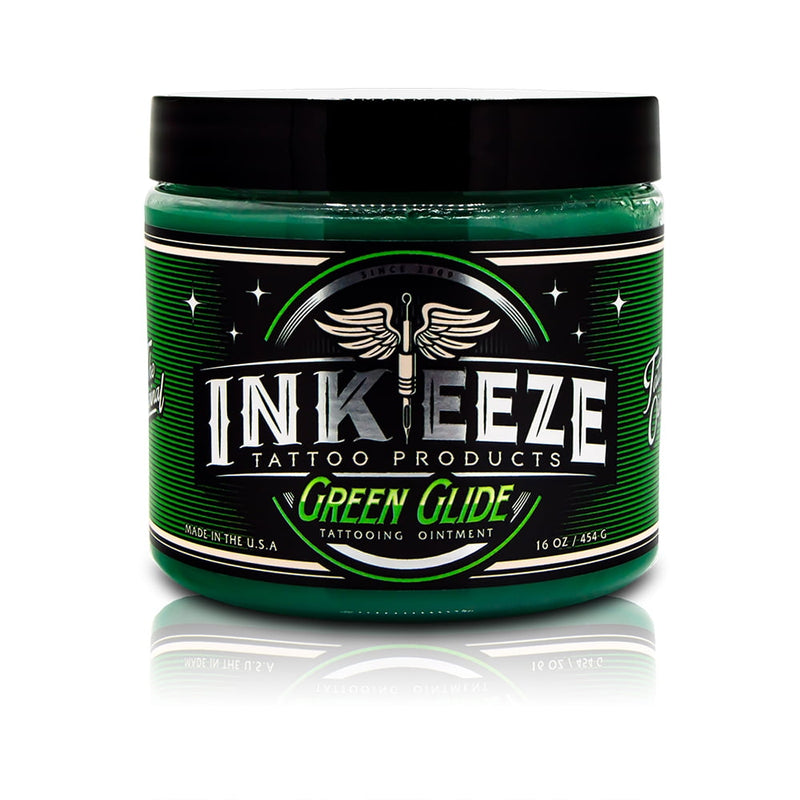
Inkeeze
INKEEZE Green Glide Tattooing Ointment
View at Miami Tattoo Supplies: INKEEZE Green Glide Tattooing Ointment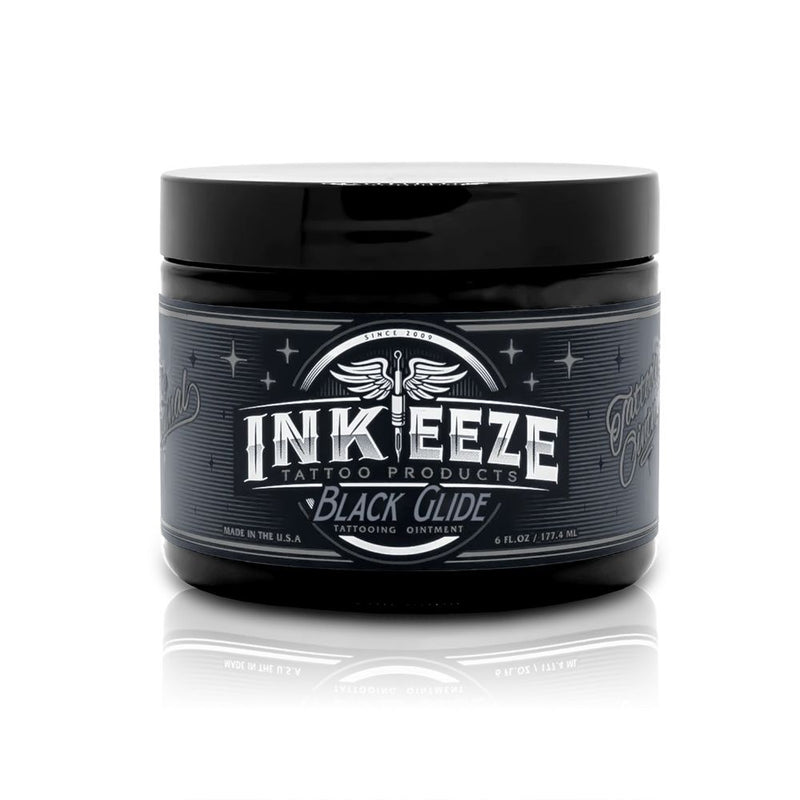
Inkeeze
INKEEZE Black Glide Tattooing Ointment 6oz
View at Miami Tattoo Supplies: INKEEZE Black Glide Tattooing Ointment 6oz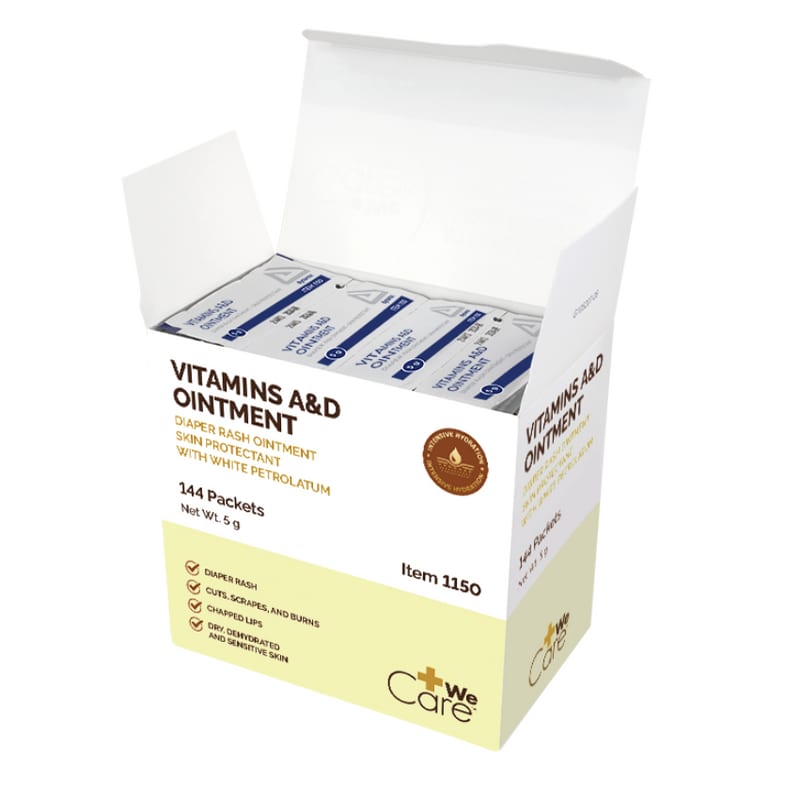
Dynarex
Dynarex Vitamins A&D Ointment - 5 Grams Foil Pack (144pcs)
View at Miami Tattoo Supplies: Dynarex Vitamins A&D Ointment - 5 Grams Foil Pack (144pcs)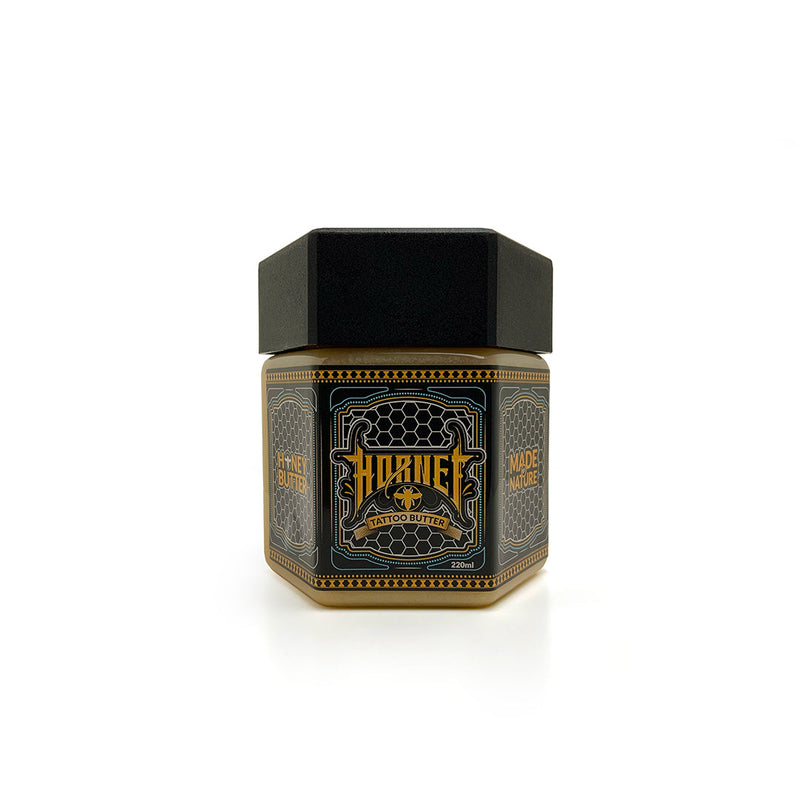
Hornet
Hornet Honey Butter - 7.5oz (220ml)
View at Miami Tattoo Supplies: Hornet Honey Butter - 7.5oz (220ml)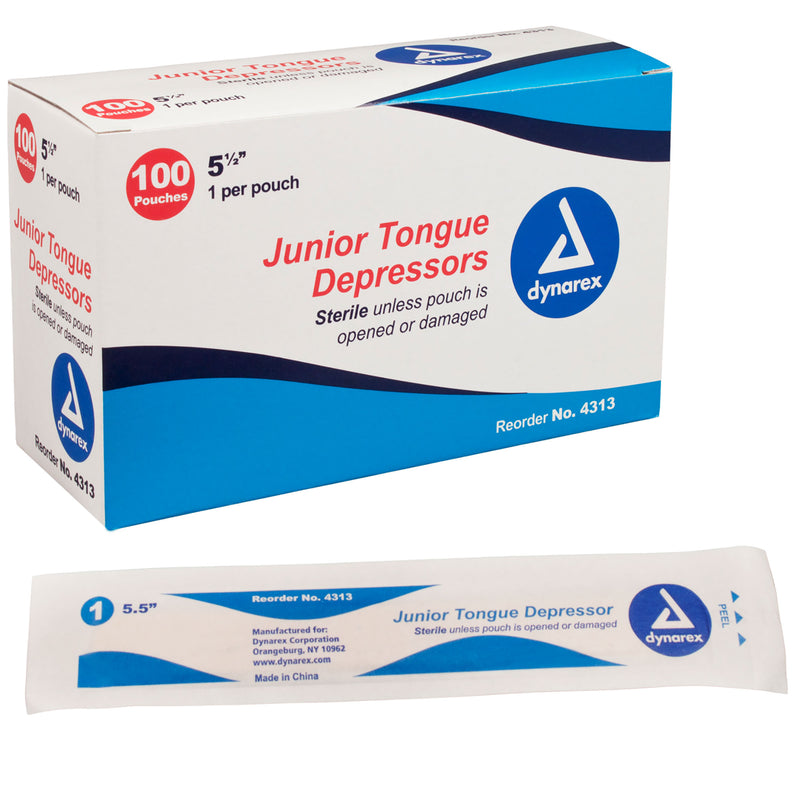
Dynarex
Tongue Depressors Wood (Sterile) - 100pcs
View at Miami Tattoo Supplies: Tongue Depressors Wood (Sterile) - 100pcs
Frequently asked questions
Is Vaseline bad for tattooing?
Petroleum jelly works as an in-session glide and is cheap, and like any glide it smears the stencil if applied too thickly. Its bigger drawback is in aftercare: the American Academy of Dermatology says petroleum-based products can cause tattoo ink to fade. Many artists use a petroleum-free butter for both jobs instead.
Can I use the same butter for aftercare?
Several products are sold for both, including Hustle Butter Deluxe and INKEEZE glides. Clients should get their own container or single-use packs, never product from the jar used at the station. Follow the product's directions for aftercare use.
When should I apply glide during a tattoo?
After the stencil has dried and set, as a thin layer over the area you are about to work, reapplied as it wears off. Applying glide over a wet stencil or in a thick layer can wipe the stencil away.
Does tattoo butter make tattooing hurt less?
Butters and glides reduce friction and drag, which can make a session feel more comfortable, but they are not anesthetics and do not numb the skin. Products labeled with a numbing or anesthetic effect are a different category; see the numbing cream guide.
Why is my glide clogging my needle?
Often the layer is too thick. Use a thinner coat and wipe more often. Product choice can matter too: INKEEZE says it made Green Glide lanolin-free because lanolin-based ointments were leaving tubes gunky.