Tattoo Shop Supply Checklist: Everything a New Studio Needs
Short answer
What supplies do you need to open a tattoo shop?
To open a tattoo shop you need, per station, an adjustable client chair or table, artist stool, arm rest, work tray, bright task lighting and machines; a hand sink with soap and paper towels; and recurring stock of gloves, sterile single-use needles or cartridges, ink caps, barrier film, stencil supplies, an EPA-registered disinfectant and sharps containers. Your health department sets the legal minimum, so check its rules first.
Key takeaways
- Plan by zone: each tattoo station, the cleaning and sterilization area, the hand sinks, waste handling and the front desk.
- Split the budget into one-time equipment and consumables; consumables are what you will reorder every week.
- Using only pre-sterilized, single-use needles, tubes and grips can remove the need for an autoclave under Florida's rule, but check your own state.
- In Florida, the establishment needs a Department of Health license, a passed inspection and a biomedical waste permit before it opens.
- If you employ artists, OSHA's bloodborne pathogens standard adds an exposure control plan, free PPE, hepatitis B vaccination offers and annual training.
On this page 7 sections
Opening a studio means buying two very different kinds of things: equipment you buy once and consumables you will reorder for as long as the doors are open. Mixing them up is how new shop budgets go wrong. This checklist sorts everything by zone and by type, and points to the rules that set the minimum.
It is published by Miami Tattoo Supplies, a tattoo and studio supply store in Hollywood, Florida, so the regulatory examples are Florida's. Other states set their own rules; your health department's checklist always wins over ours.
Start with the rules, not the shopping cart
Your inspector's checklist is the real minimum, so read it first. In Florida, the Department of Health requires every tattoo establishment to hold a license, which means a completed application, a passed inspection under Chapter 64E-28 of the Florida Administrative Code, a business name registered with the Department of State, and a biomedical waste permit. Each artist also needs their own license. Our guide on getting a tattoo license in Florida covers the artist side, and how to open a tattoo shop in Florida covers the establishment.
Florida's operational rule (64E-28.007) sets several equipment requirements that shape what you buy, including:
- a hand sink in each tattoo area, or centrally located in the workroom, with running water under pressure, liquid soap, single-use paper towels and a waste receptacle;
- at least 100 foot-candles of artificial light in the tattooing area and the cleaning and sterilizing area;
- smooth, non-porous, easily cleanable surfaces on chairs, tables, stands, cabinets and counters, cleaned and disinfected after each customer;
- a steam autoclave with a chemical indicator in every load and spore testing at least every 40 hours of operation and at least quarterly, confirmed by an independent lab, unless the shop uses only individually packaged, pre-sterilized, single-use items;
- customer and sterilization records kept for two years.
The practice rule (64E-28.009) adds new disposable gloves for each session, single-use sterile needles, ink dispensed into a single-use cup for each client, single-use stencils, barrier covers on equipment that may be touched, and a tuberculocidal disinfectant registered with the US EPA for the machine and work area.
Tattoo shop supply checklist by zone
| Zone | One-time equipment | Recurring consumables |
|---|---|---|
| Each tattoo station | Client chair or table, artist stool, arm rest, work tray or mobile workstation, task light, machines, power supply or batteries | Cartridges or needles, ink, ink caps, glide or ointment, rinse cups |
| Barrier protection | Spray bottles, dispensers | Barrier film, machine or pen covers, clip cord sleeves, bottle bags, table paper |
| Hand hygiene | Hand sink, soap and towel dispensers | Liquid soap, single-use paper towels, gloves in all sizes |
| Skin prep and stencil | Stencil printer or thermal copier, skin markers | Stencil paper, stencil solution, razors, antiseptic, green soap |
| Cleaning and sterilization | Ultrasonic cleaner and autoclave (if using reusables), cleaning sink | EPA-registered disinfectant, sterilization pouches, indicator strips, spore tests |
| Waste | Sharps containers, biohazard bin, regular bins | Replacement sharps containers, red biohazard bags |
| Aftercare and front desk | Display, consent and records storage | Aftercare products, bandages or film dressings, consent forms |
What each station needs
Budget for a full set of equipment per artist and buy consumables against expected client volume. A station's one-time pieces are the client chair or table, a height-adjustable stool, an arm or leg rest, a tray or workstation with a non-porous surface, and lighting strong enough to meet your state's minimum. Miami Tattoo Supplies lists studio furniture including adjustable stools, arm rests, mobile workstations and LED lights.
Machines are each artist's choice; many artists bring their own. Our guide on setting up a tattoo station walks through laying out one station for a session.
Single-use versus autoclave
Decide this before you buy, because it changes the cleaning area. A shop that uses only individually packaged, pre-sterilized, single-use needles, tubes and grips can, under Florida's rule, skip the autoclave, cleaning sink and spore testing. Those items must be sterilized by ethylene oxide or gamma radiation and carry the manufacturer's expiry date. A shop using reusable steel tubes or grips needs an ultrasonic cleaner or cleaning sink, a steam autoclave, an autoclave log and lab spore testing. Most new studios using cartridge machines go fully single-use; do tattoo shops need an autoclave sets out the trade-off.
Hygiene and waste supplies
Gloves, barriers and disinfectant are the consumables inspectors look at first. Stock nitrile or latex gloves in every size your team wears, barrier film for every surface touched during a tattoo, and an EPA-registered disinfectant with the contact time printed on the label. The medical supplies and cleaners and disinfectants ranges cover these. Our guide to tattoo studio hygiene supplies goes item by item.
If you have employees, OSHA's bloodborne pathogens standard applies. It requires contaminated sharps to go into closable, puncture-resistant, leakproof, labeled containers; PPE such as gloves provided at no cost to employees; a written exposure control plan; the hepatitis B vaccine offered to exposed employees; and training at assignment and at least annually.
How much to order before opening day
Order one-time equipment early, because furniture and lights take the longest to arrive and set up. Order consumables for roughly the first month, then adjust from what you actually use. For the full opening budget, including furniture and fit-out, see how much it costs to open a tattoo shop. Buying gloves and barriers by the case lowers unit cost; see our cost breakdown for current price ranges and how wholesale accounts work for studio pricing.
Watch
Gear mentioned
Products from the Miami Tattoo Supplies catalog, the publisher of this site. Check current price and stock on the store.
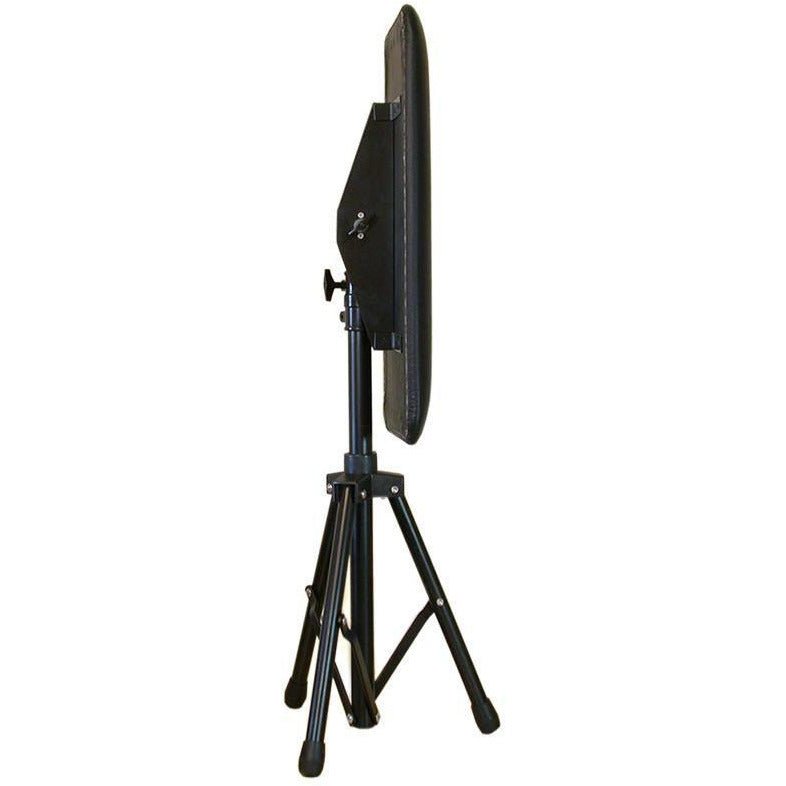
Adjustable Tattoo Arm Rest or Leg Rest
View at Miami Tattoo Supplies: Adjustable Tattoo Arm Rest or Leg Rest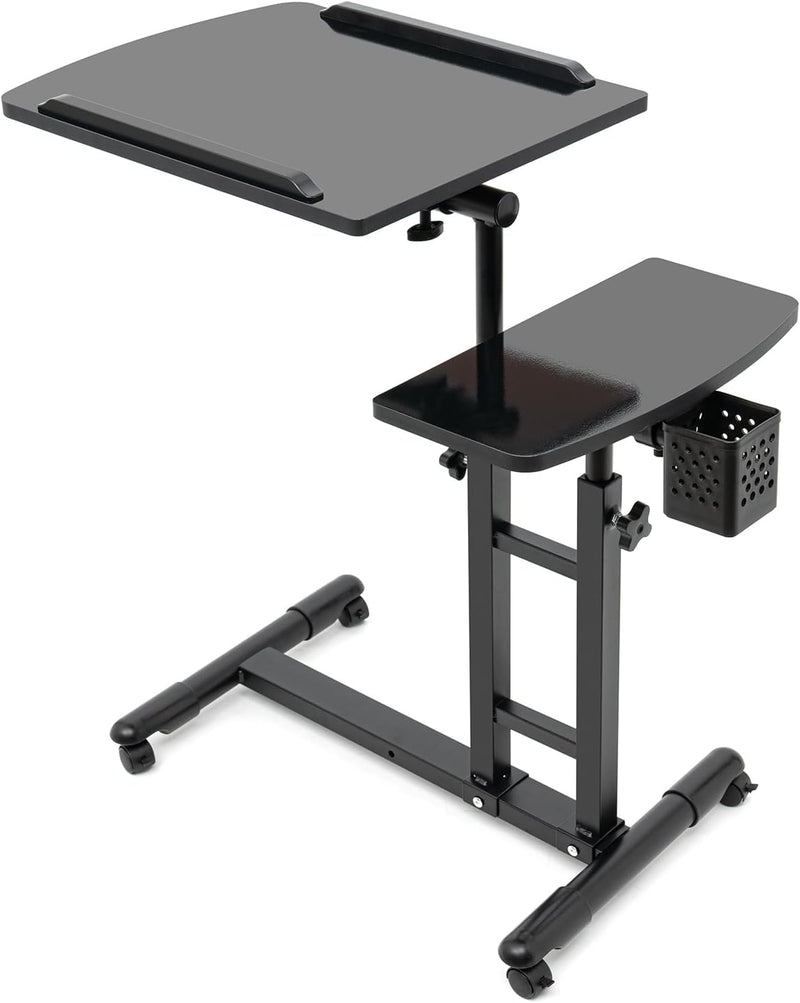
Mobile Tattoo Workstation with Double Workbench
View at Miami Tattoo Supplies: Mobile Tattoo Workstation with Double Workbench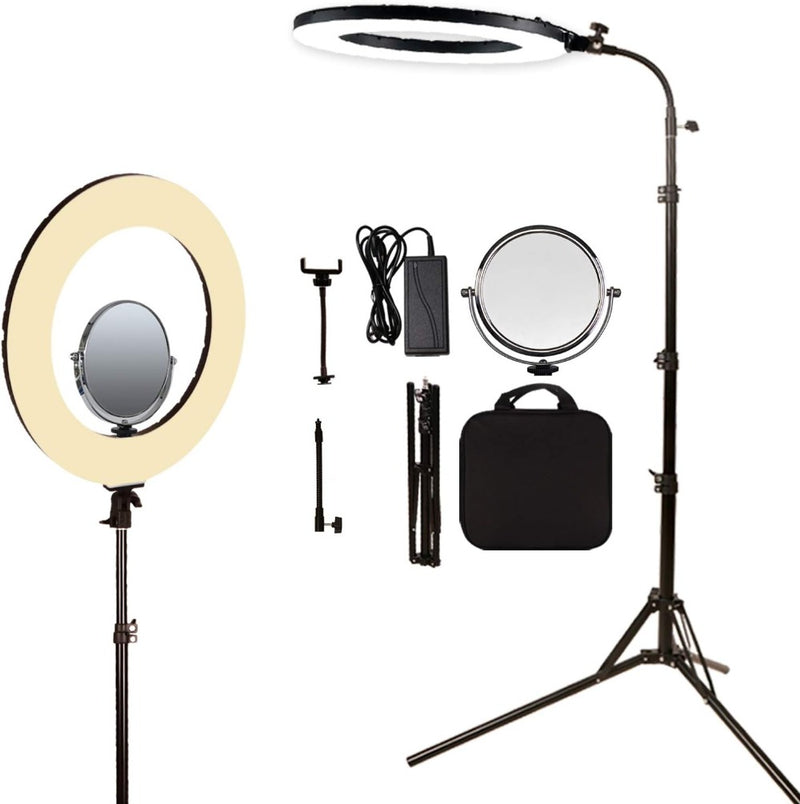
LED Ring Light For Tattoo & PMU - 19"
View at Miami Tattoo Supplies: LED Ring Light For Tattoo & PMU - 19"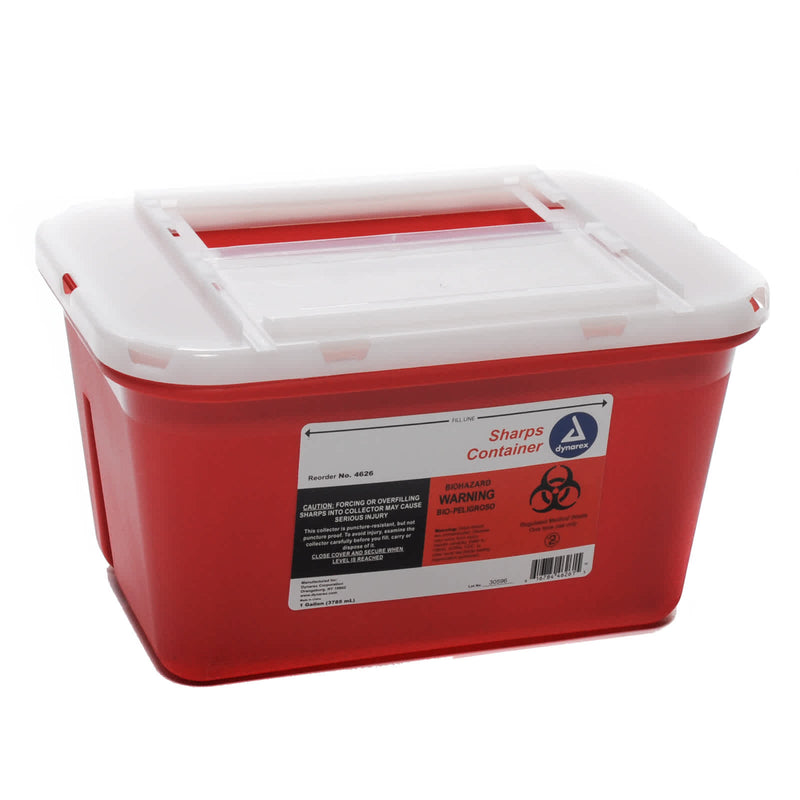
Dynarex
Sharps Bio Hazard Tattoo Container 1 Gal.
View at Miami Tattoo Supplies: Sharps Bio Hazard Tattoo Container 1 Gal.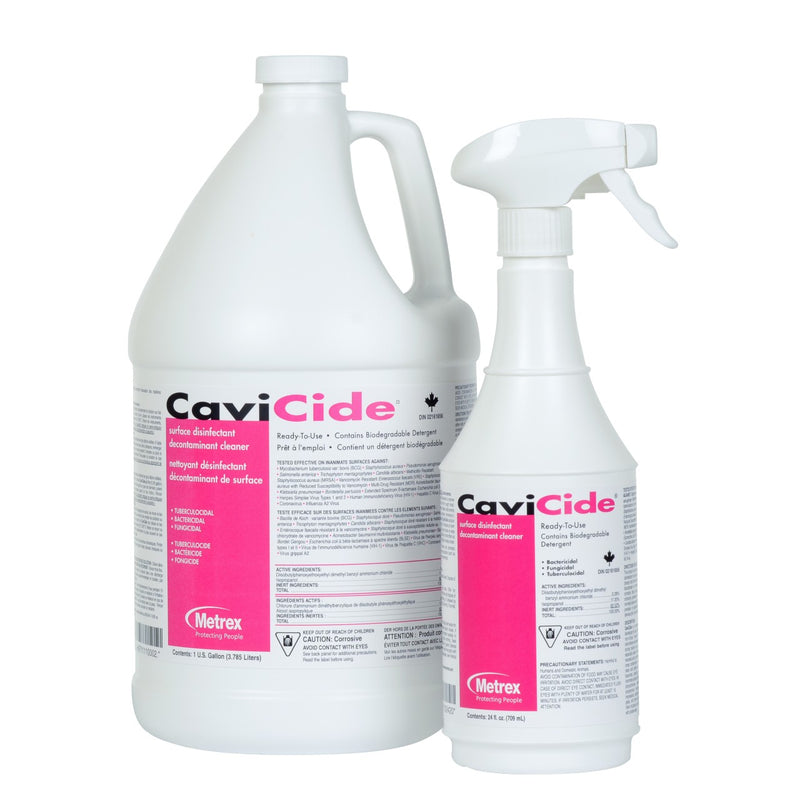
Cavicide Surface Disinfectant Cleaner
View at Miami Tattoo Supplies: Cavicide Surface Disinfectant Cleaner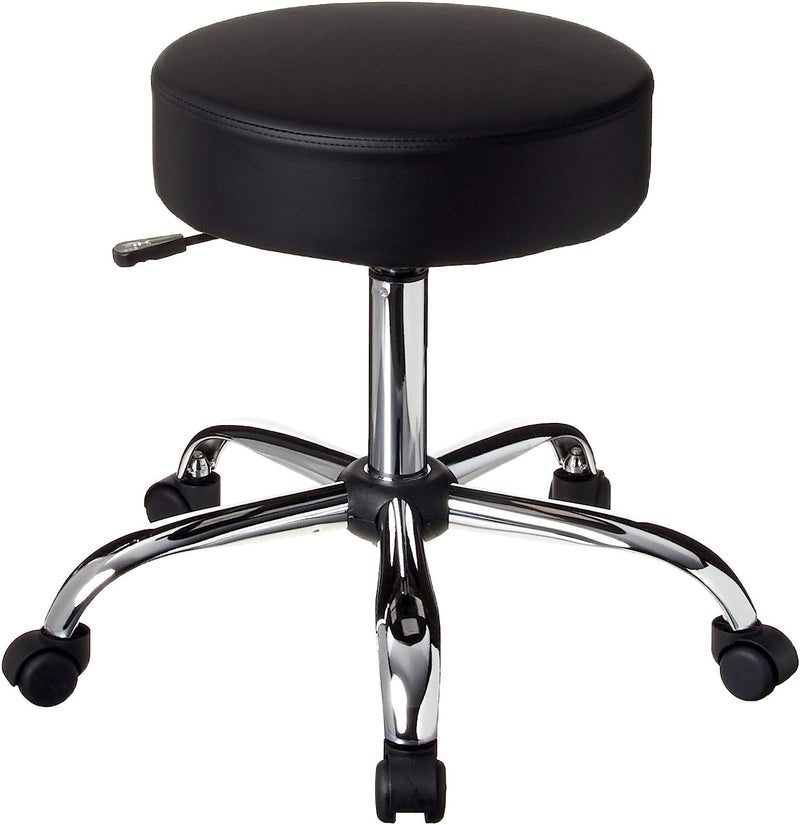
Adjustable Stool for Tattoo and Piercing Studios
View at Miami Tattoo Supplies: Adjustable Stool for Tattoo and Piercing Studios
Frequently asked questions
What equipment is required to open a tattoo shop?
Your state and county decide. In Florida, rule 64E-28.007 requires hand sinks with soap and single-use towels, at least 100 foot-candles of light in work areas, non-porous work surfaces and, unless you use only pre-sterilized single-use items, a steam autoclave with spore testing. Check your own health department's inspection checklist before buying.
Do I need an autoclave to open a tattoo shop?
Not always. Florida's rule exempts shops that use only individually packaged, pre-sterilized, single-use instruments carrying a manufacturer's expiry date. If you reuse any steel tubes or grips, you need an autoclave, an autoclave log and lab spore testing. Other states set their own rules, so confirm with your regulator.
How many sharps containers does a tattoo shop need?
Place one within reach of every station so needles go straight in after use, plus spares. OSHA requires containers to be closable, puncture-resistant, leakproof and labeled when you have employees. Replace each container when it reaches its fill line and have it collected by a licensed biomedical waste service.
What licenses does a tattoo shop need in Florida?
A tattoo establishment license from the Florida Department of Health, issued after a passed inspection, plus a biomedical waste permit and a business name registered with the Department of State. Each artist needs an individual tattoo artist license. Apply through your county health department and confirm fees and requirements there.
Should a new tattoo shop buy supplies wholesale?
Once you know your monthly usage, yes for high-volume consumables such as gloves, barriers and cartridges. Before opening, buy about a month of stock at normal prices, track what you actually use, then move the steady items to case quantities or a trade account.
Sources
- Florida Department of Health — Tattoo Establishment Licensure Requirements
- Florida Administrative Code — Rule 64E-28.007, Operational Requirements for a Tattoo Establishment
- Florida Administrative Code — Rule 64E-28.009, Standards of Practice for a Tattoo Artist
- OSHA — Bloodborne Pathogens Standard, 29 CFR 1910.1030