How to Clean and Maintain a Tattoo Machine
Short answer
How do you clean a tattoo machine?
Protect the machine before you start, then disinfect it after every client. Bag the machine and sleeve the cord or battery, use a fresh cartridge and disposable grip, and after the session remove the barriers with gloves and wipe every surface with an EPA-registered disinfectant for the contact time on its label. Never autoclave or submerge a rotary; Bishop, for one, says its machines cannot be autoclaved.
Key takeaways
- Barriers do most of the work: a machine bag or pen cover, a cord sleeve or battery cover, and a disposable grip, replaced for every client.
- After each client, wipe all touched surfaces with an EPA-registered disinfectant and leave it wet for the label's contact time.
- Never autoclave, soak or run water into a rotary or wireless machine; motors and batteries are not built for it.
- Lubricate only where and how the manufacturer says; Bishop's warranty is voided by over-lubrication.
- OSHA's Bloodborne Pathogens Standard requires contaminated surfaces to be decontaminated and protective coverings replaced.
On this page 7 sections
A modern rotary is a sealed motor and a circuit board in an aluminum tube, which means the old coil-era instinct to scrub, soak or sterilize it will ruin it. Cleaning a machine today is mostly about keeping contamination off it in the first place, then disinfecting the outside properly. This page covers the routine, what never to do, and basic upkeep. It is written by Miami Tattoo Supplies (MTS) as general guidance, and the barriers and wipes it names are in the store's cleaners and disinfectants and medical supplies; your machine's manual and your local health rules take precedence.
How do you clean a tattoo machine?
In two stages: barrier before, disinfect after. The machine should never touch blood or ink directly; a barrier does, and the barrier goes in the trash. What reaches the machine body through handling is removed with a surface disinfectant at the end of the session.
OSHA's Bloodborne Pathogens Standard, which applies to employers whose staff are exposed to blood, sets the baseline: contaminated work surfaces must be decontaminated with an appropriate disinfectant after procedures, and protective coverings over equipment must be replaced when contaminated or at the end of the shift. State rules add to that. Florida's standards of practice, for example, require barrier covers on instruments and equipment that may contact the artist or client, and an artist who skips the barrier on the machine must disinfect the machine when the tattoo is finished. Check your own state and county rules. The bloodborne pathogens training guide covers the training side.
Before the session: barrier everything you touch
Set up the machine with these before you open the cartridge:
- Bag the machine. A machine bag or pen cover over the whole body, including the battery and its buttons, such as the 200-count pen covers at Miami Tattoo Supplies.
- Sleeve the cord. A clip cord sleeve over any RCA or clip cord along its full length. Wireless machines skip this step, one reason many artists prefer them.
- Fit a disposable grip. Most pens take disposable grip covers in the brand's size; use a new one per client.
- Use a new cartridge. Cartridges with a membrane keep ink and fluids out of the machine; see the cartridge membrane guide.
- Cover the power supply and pedal with barrier film or a bag if you touch them with gloved hands.
The barrier protection guide goes further on materials and station layout.
After the session: the disinfecting routine
Work in this order, with gloves on:
- Remove the cartridge and drop it straight into the sharps container. See sharps disposal.
- Remove the grip cover and barriers by peeling them away from the machine without touching the body with dirty gloves, and discard them.
- Change gloves.
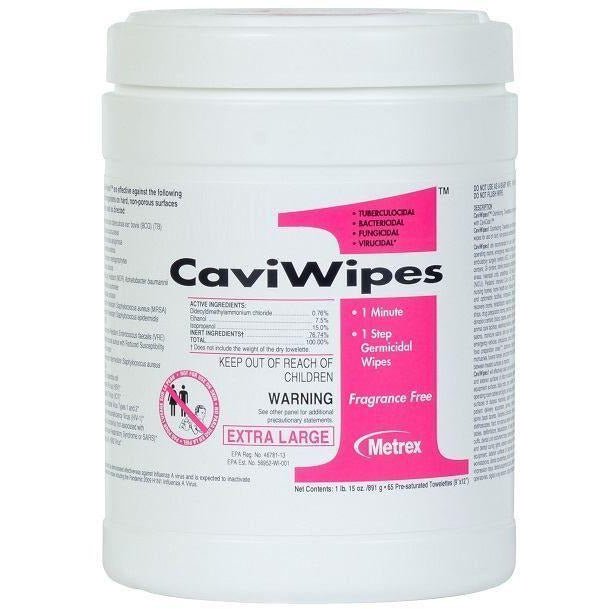
- Wipe every surface of the machine, battery, cord and pedal with an EPA-registered surface disinfectant, such as CaviCide wipes.
- Leave it wet for the full contact time on the product label. A quick wipe that dries in seconds is not disinfection.
- Let it air-dry before storing or bagging it again.
Pick a disinfectant labeled for the pathogens your health department cares about and confirm it is safe on aluminum and plastics. Our studio disinfectants guide compares them.
What about grips and tubes?
Disposable grips and cartridges have largely replaced reusable steel grips and tubes for pens. If you still use reusable stainless grips or tubes with a coil or frame rotary, they are a different category: they must be cleaned, packaged and sterilized in an autoclave according to your health department's rules. Most artists now avoid this with disposables.
Routine maintenance
Clean machines last longer, but a few other habits matter:
- Lubricate only where the manufacturer says. Bishop packs Krytox lubricant with the Power Wand RCA set, and its warranty is voided by over-lubrication.
- Replace wear parts. O-rings, grips and battery contacts wear; most makers sell machine parts, so replace them rather than running a worn machine.
- Do not open the motor. Bishop's warranty is voided if you attempt to open the motor yourself, and most brands run their own service centers.
- Look after batteries. Charge with the supplied cable and store them dry and away from heat.
- Check cords. A failing RCA cord causes cut-outs that look like a machine fault.
Coil machines need more: springs, contact screws and binding posts need cleaning and adjustment, and that is part of tuning.
What to keep in stock
A cleaning routine only works if you never run out. At the time of writing (November 2026), Miami Tattoo Supplies stocks CaviCide surface disinfectant wipes, cut-to-length clip cord sleeves and machine bags, pen covers and barrier film. Browse the cleaners and disinfectants and medical supplies collections.
Watch
Gear mentioned
Products from the Miami Tattoo Supplies catalog, the publisher of this site. Check current price and stock on the store.
CaviCide Surface Disinfectant Wipes 160 Count
View at Miami Tattoo Supplies: CaviCide Surface Disinfectant Wipes 160 Count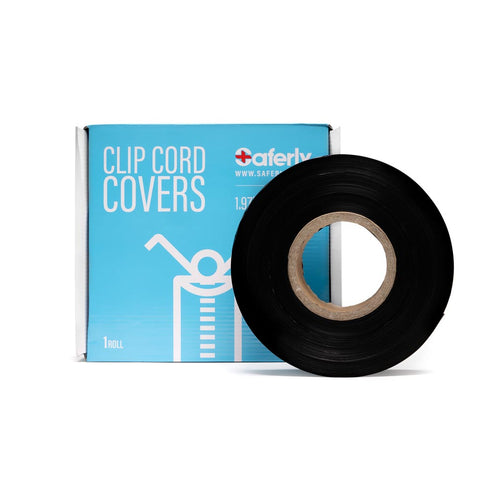
Saferly
Clip Cord Sleeves + Machine Bags - Cut-to-Length Roll
View at Miami Tattoo Supplies: Clip Cord Sleeves + Machine Bags - Cut-to-Length Roll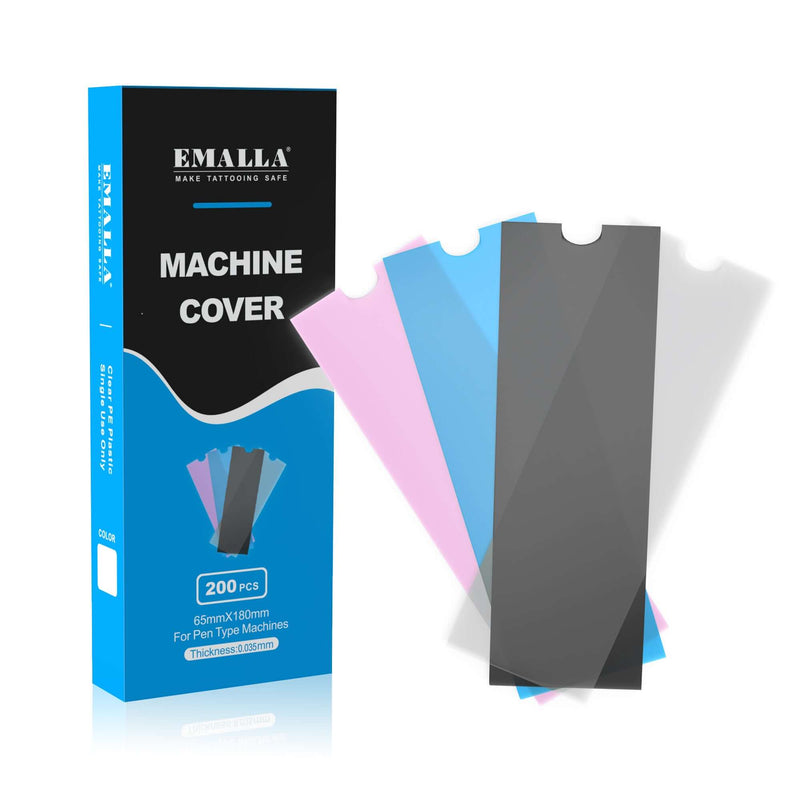
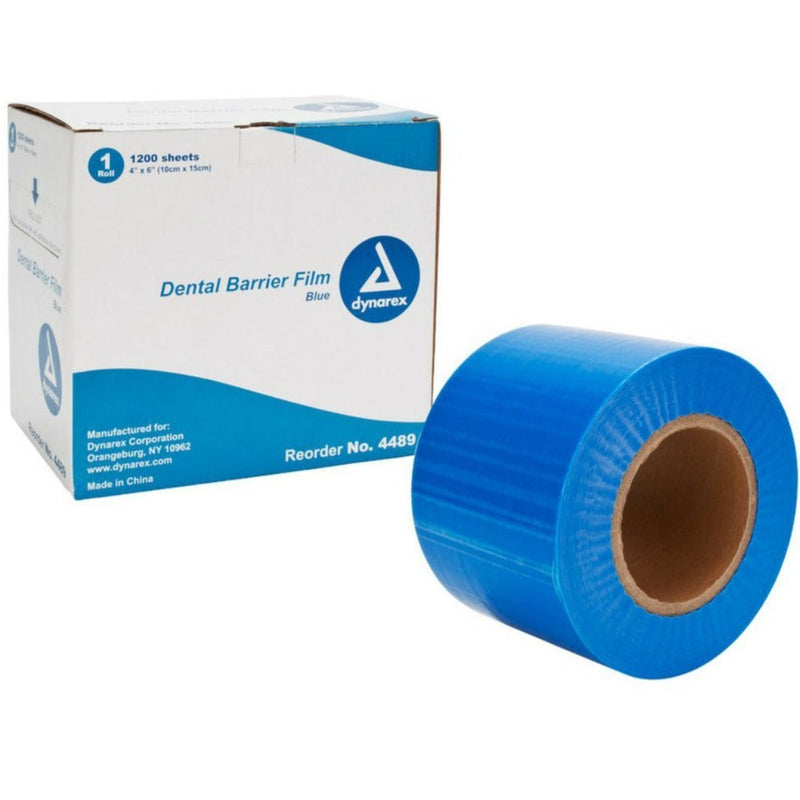
Dynarex
Medical Barrier Film 4 x 6 Roll
View at Miami Tattoo Supplies: Medical Barrier Film 4 x 6 Roll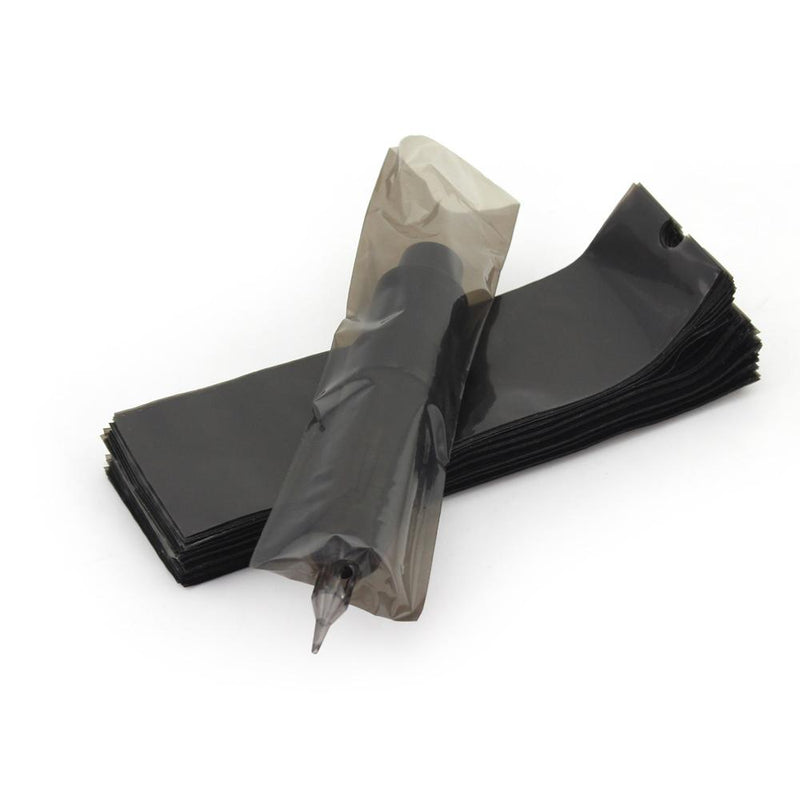
Tattoo Pen Rotary Covers - 200pcs
View at Miami Tattoo Supplies: Tattoo Pen Rotary Covers - 200pcs
Frequently asked questions
Can you put a tattoo machine in an autoclave?
Not a rotary pen or wireless machine. Heat and steam damage motors, electronics and batteries; Bishop states its machines cannot be autoclaved and doing so voids the warranty. Autoclaves are for reusable steel parts like stainless grips and tubes. Barriers and surface disinfection protect the machine itself.
Can I use alcohol to clean my tattoo machine?
Use a disinfectant registered and labeled for the job, and follow its contact time. Many studios use EPA-registered surface disinfectant wipes such as CaviCide. Whatever you choose, check that your machine's manufacturer allows it on the finish and screen (Emalla, for one, warns against high-concentration alcohol on its display), and never pour liquid into the machine.
How often should a tattoo machine be cleaned?
After every client, and the barriers before every client. Wipe down the machine, battery, cord and pedal with disinfectant at the end of each procedure and again at the end of the day if anything may have been contaminated. Internal service follows the manufacturer's schedule.
Should I oil my rotary tattoo machine?
Only if the manufacturer says so, with their lubricant, in the place they specify. Many pens are sealed and need nothing. Bishop, for example, packs Krytox lubricant with the Power Wand RCA set, and over-lubrication voids its warranty. Follow the manual.
Is a cartridge membrane enough to keep a machine clean?
No. A membrane reduces ink and fluid backflow into the machine, but the outside is still exposed to splatter and gloved hands. You still need a machine bag or pen cover, a disposable grip and surface disinfection after each client.