Barrier Protection for Tattooing: Bags, Sleeves and Film
Short answer
What barrier protection do tattoo artists need?
Cover everything you touch with gloved hands during a tattoo: the machine or pen with a machine bag or pen cover, the clip cord or RCA cord with a sleeve, every spray and squeeze bottle with a bottle bag, buttons and lamp handles with barrier film, and the tray and chair with dental bibs, drapes or table paper. Discard every barrier after the client, then disinfect.
Key takeaways
- Anything you touch with a contaminated glove mid-tattoo needs a barrier or a full disinfection afterwards.
- Barriers are single-use: remove and discard them after every client, then disinfect underneath.
- Match the bag to the machine: pen covers and narrow sleeves for pen machines, open-ended bags for larger frames.
- Florida requires barrier covers during the procedure and disinfection of the machine and work area afterwards.
- Barrier film covers flat touch points that bags cannot, such as power supply buttons and lamp arms.
On this page 5 sections
Once the needle is in the skin, your gloves are contaminated, and every surface they touch picks that up. Barriers are how you keep the machine, cords and bottles from carrying it to the next client. This guide is published by Miami Tattoo Supplies; all products named are listed in the store's medical supplies collection, with prices at the time of writing (November 2026).
Why barriers, and what the rules say
Barriers are disposable covers that take the contamination so the equipment underneath does not. Three sources set the expectation:
- OSHA's Bloodborne Pathogens Standard recognizes protective coverings such as plastic wrap and imperviously-backed absorbent paper, and requires them to be replaced as soon as feasible when overtly contaminated, or at the end of the shift if they may have become contaminated.
- CDC's recommendations say clinical contact surfaces should be barrier-protected or disinfected between patients, and that barrier coverings should be changed when visibly soiled or damaged.
- Florida's tattoo rule (64E-28.009) requires aseptic technique including barrier covers on instruments and equipment that may contact the artist or client during the procedure. An artist who chooses not to bag the machine must disinfect it after the tattoo. At the end of every tattoo, all barriers are removed and discarded and both the machine and the work area are disinfected with an EPA-registered tuberculocidal disinfectant.
The last point matters: in Florida, barriers do not replace disinfection; they reduce how much soil the disinfectant has to deal with. The disinfection step is covered in the studio disinfectants guide.
What to cover, item by item
| Item | Barrier | Store example (Nov 2026) |
|---|---|---|
| Pen machine and grip | Pen cover or cut sleeve | EMALLA pen covers, 200 for $9.75 |
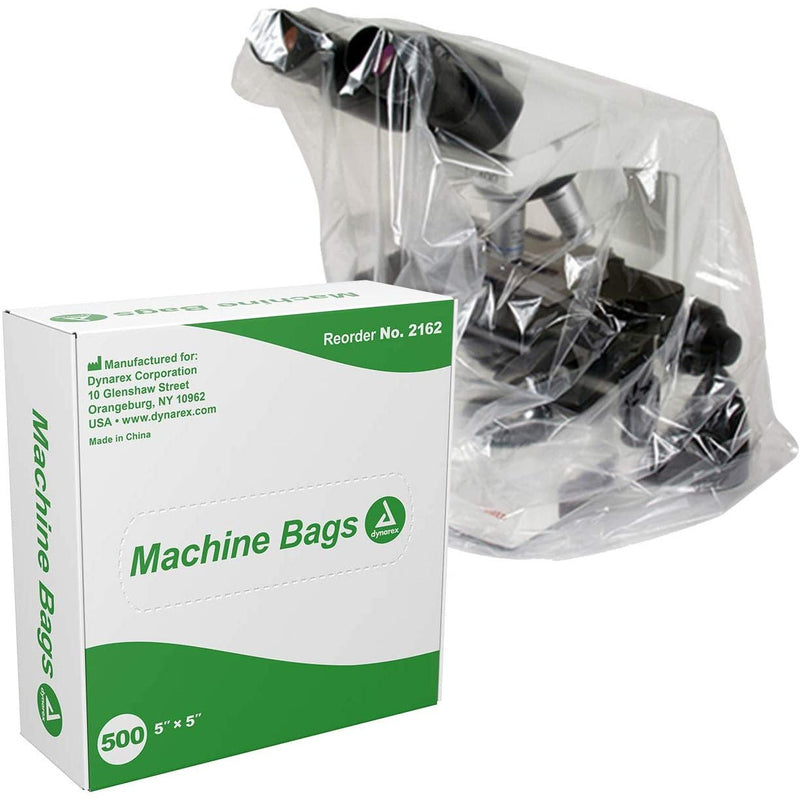
| Frame or larger rotary | Open-ended machine bag | Dynarex 5 x 5 in machine bags, 500 for $15.95 |
| Clip cord or RCA cord | Cord sleeve | Safety sleeves, 125 for $10.90 |
| Spray and squeeze bottles | Bottle bag | Dynarex 6 x 10 in bottle bags, 500 for $19.95 |
| Buttons, lamp arm, tablet edge | Barrier film | Barrier film roll, 1,200 sheets, $19.90 |
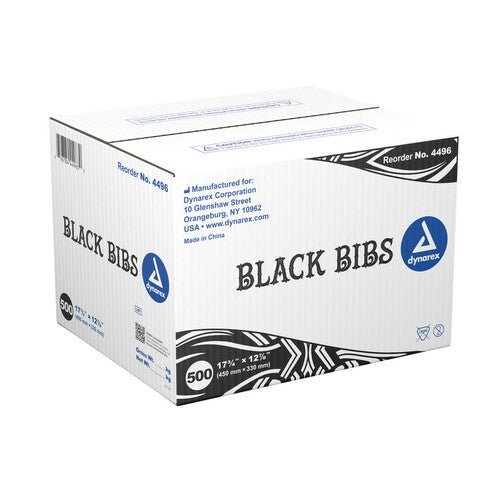
| Tray or workstation top | Dental bib or drape | Dynarex black bibs, 125 for $15.95 |
| Chair, bed or armrest | Table paper, drape or film wrap | Dynarex table paper, 21 in x 225 ft, $8.95 |
Machine bags and pen covers
Pen machines take narrow covers; the EMALLA pen covers are listed at 65 x 180 mm, and the generic pen rotary covers come in small (2 x 6.9 in) and large (2.4 x 7.2 in) at $8.75 to $9.75 per 200. Saferly's cut-to-length roll ($23.90) works as both a clip cord sleeve and a pen machine bag, which suits studios running mixed setups. Larger frames take the Dynarex machine bags, which are open at both ends so they slide over the machine. Some artists add a layer of stretch or cling wrap around the grip under or over the bag for a firmer hold; the store lists medical cling film at $21.99 and stretch film from $13.90.
On wireless machines, make sure the bag still lets you reach the controls you need, or cover the controls with barrier film so you can press them through it.
Cord sleeves
A clip cord drapes across your lap and the client, and you handle it constantly. A sleeve that runs from the machine to past where your hand reaches is the minimum. The safety sleeves listed by the store measure 50 x 1,140 mm, enough for most clip cord runs.
Bottle bags
Every spray bottle and squeeze bottle you pick up during the session needs a bag: green soap, water, rinse. The store lists Dynarex 6 x 10 inch clear bottle bags (500 for $19.95) and Saferly 6 x 8 inch blue bottle covers (200 for $8.90). Florida also requires any liquid not in its original container to be labeled with the product name, so label the bottle before you bag it.
Barrier film
Adhesive barrier film is for flat or awkward touch points: power supply buttons and dials, foot pedal tops, lamp handles, the edge of the tablet you check your reference on. The store's listing is a perforated 4 x 6 inch roll of 1,200 sheets at $19.90. Tablets themselves can go in a disposable sleeve (100 for $12.90).
Bibs, drapes and table paper
Dental bibs, paper on one side and plastic-backed on the other, are the standard tray liner: they absorb drips and stop them reaching the tray. The store lists Dynarex bibs in black ($15.95 per 125) and blue or pink ($12.90 per 125). For the client surface, table paper, disposable drape sheets (ELITE drapes from $14.99 for 10) or a film wrap over a vinyl armrest all work. Disposable arm sleeves (100 for $9.90) keep ink and blood off the artist's forearms on long sessions.
The order that keeps it clean
- Disinfect the station and let the disinfectant's contact time run before you set up.
- Put on gloves, then lay the bib or drape and set out sealed single-use items.
- Bag the machine, sleeve the cord, bag the bottles, film the touch points.
- Tattoo. If a barrier tears, replace it.
- At the end, strip every barrier straight into the trash, remove gloves, clean hands, re-glove, and disinfect the machine and work area.
The layout of the station itself is in how to set up a tattoo station, and cleaning the machine body is in how to clean a tattoo machine.
Where to buy
Miami Tattoo Supplies stocks the bags, film and bibs in the medical supplies collection linked above, and cord sleeves and arm sleeves in the gloves and sleeves collection. Barriers are one part of the full studio hygiene supply list.
Gear mentioned
Products from the Miami Tattoo Supplies catalog, the publisher of this site. Check current price and stock on the store.
Dynarex
Dynarex Dental Machine Bag, 5 X 5 Inch, 500 Count
View at Miami Tattoo Supplies: Dynarex Dental Machine Bag, 5 X 5 Inch, 500 Count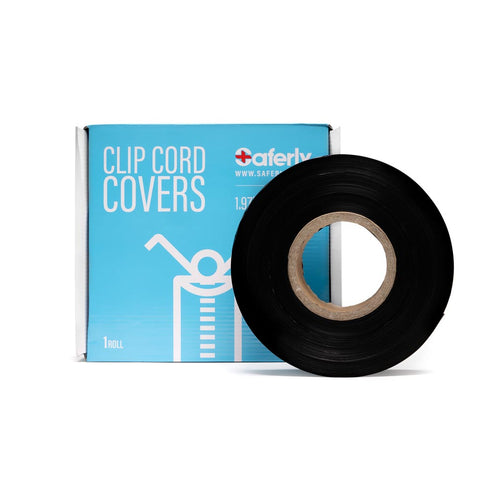
Saferly
Clip Cord Sleeves + Machine Bags - Cut-to-Length Roll
View at Miami Tattoo Supplies: Clip Cord Sleeves + Machine Bags - Cut-to-Length Roll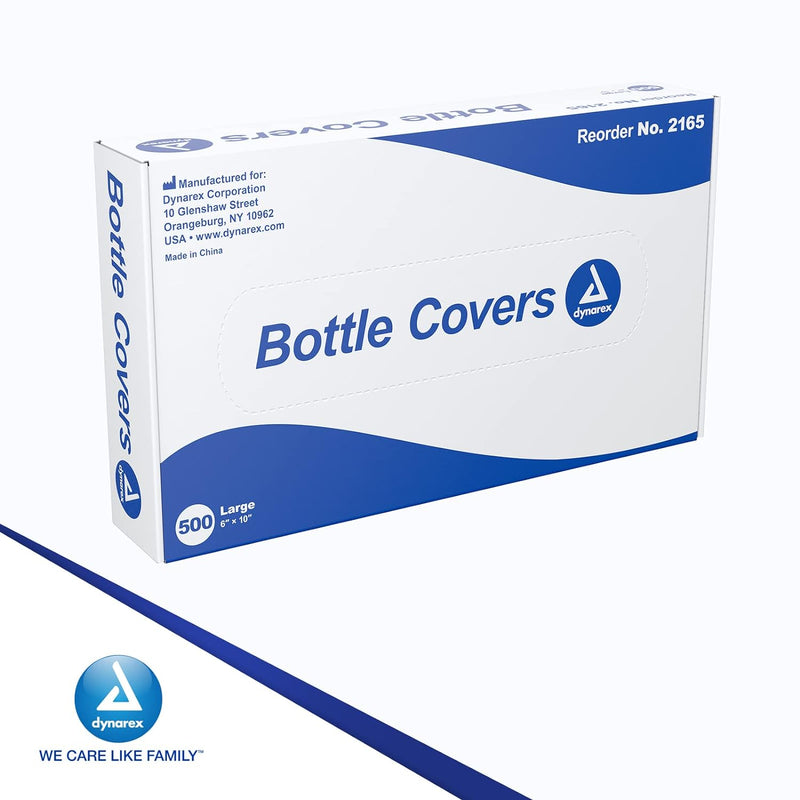
Dynarex
Dynarex Wash Bottle Cover Barrier Bags 6" x 10" - 500 pcs
View at Miami Tattoo Supplies: Dynarex Wash Bottle Cover Barrier Bags 6" x 10" - 500 pcs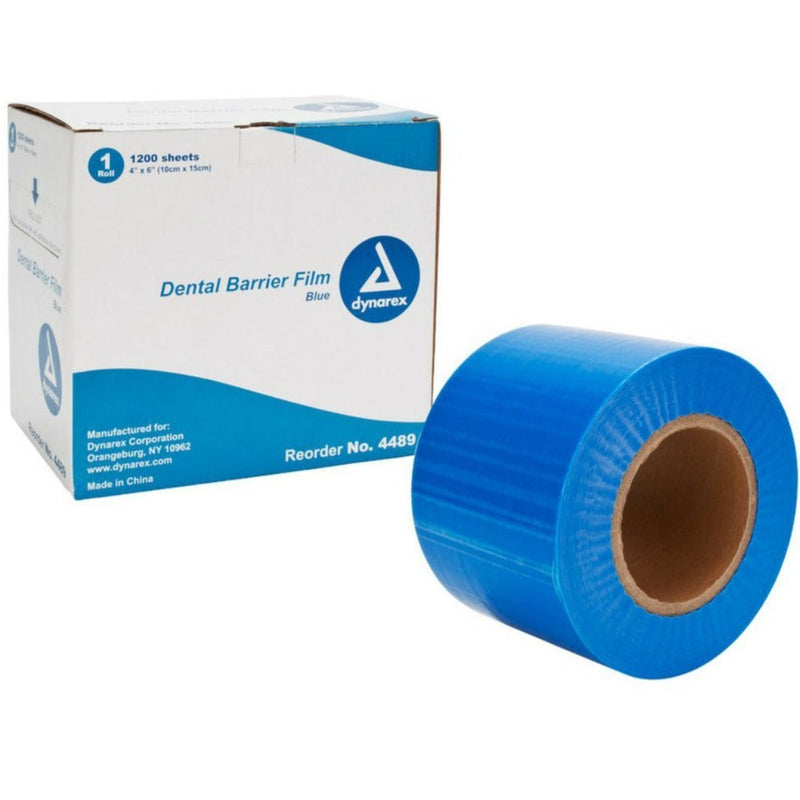
Dynarex
Medical Barrier Film 4 x 6 Roll
View at Miami Tattoo Supplies: Medical Barrier Film 4 x 6 Roll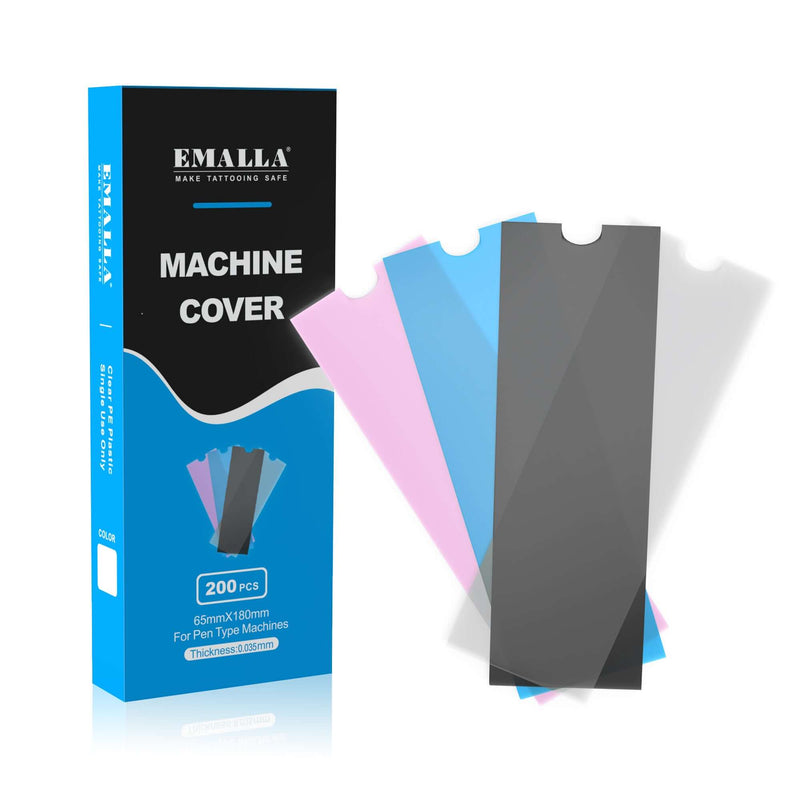
Dynarex
Dynarex Patient Dental Bibs - Black
View at Miami Tattoo Supplies: Dynarex Patient Dental Bibs - Black
Frequently asked questions
Do I need to disinfect the machine if I used a bag?
In Florida, yes. The rule requires every barrier to be removed and discarded after the tattoo, and then the machine and the work area to be disinfected with an EPA-registered tuberculocidal disinfectant. A bag cuts down contamination but does not replace the disinfection step.
Can I use kitchen plastic wrap as a barrier?
OSHA lists plastic wrap among acceptable protective coverings, so a plastic film is a legitimate barrier material. The practical difference with products made for studios is fit and handling: pen covers, cord sleeves and adhesive barrier film are sized for the job and quicker to apply and remove cleanly.
How long should a clip cord sleeve be?
Long enough to cover every part of the cord your gloved hands or the client can touch during the session, which usually means from the machine connection to well past where the cord rests on your leg. A cut-to-length roll lets you match each setup.
What is the difference between a dental bib and table paper?
A dental bib is a paper sheet with a plastic backing, so fluids do not soak through to the tray. Table paper is plain absorbent paper on a roll, sized for covering beds and chairs. Use bibs where drips are likely and paper or drapes for larger client surfaces.
Do I need barrier film if I disinfect everything afterwards?
Barrier film is for surfaces that are hard to disinfect well, such as textured buttons, dials and lamp joints. Covering them means the disinfectant only has to work on a smooth surface afterwards. In Florida, items that may be touched during the procedure need barrier covers in any case.