Sharps Disposal for Tattoo Artists: Needles and Cartridges
Short answer
How do tattoo artists dispose of needles?
Tattoo artists drop used needles and cartridges straight into a closable, puncture-resistant, leakproof, labeled sharps container at the station, never recap or bend them, and seal the container when it reaches the fill line. A registered medical waste transporter collects the sealed containers. In Florida, a tattoo establishment needs a biomedical waste generator permit or exemption, and sealed sharps can be stored for no more than 30 days.
Key takeaways
- Every used needle and cartridge is a sharp and goes into a sharps container at the point of use.
- OSHA requires sharps containers to be closable, puncture resistant, leakproof, labeled, kept upright and never overfilled.
- Florida treats a sharps container as full at the fill line, or when more cannot go in without cramming, and requires it to be sealed then.
- Waste must go to a transporter registered with the state; in Florida, storage must not exceed 30 days.
- Sharps waste is never household trash, even for a solo artist.
On this page 8 sections
Every tattoo ends with sharp, blood-contaminated waste on the tray, and the sharps container belongs on every studio hygiene supply list. Handling it is one of the few parts of the job governed by both federal workplace rules and state environmental-health rules, and the state rules decide how it leaves the building. This guide uses Florida as the worked example. It is published by Miami Tattoo Supplies, which sells sharps containers in its medical supplies collection; confirm the rules for your state with your health department.
What counts as a sharp in a tattoo studio?
Anything that can puncture or cut skin and has been used on a client. Florida's biomedical waste rule (Chapter 64E-16, F.A.C.) defines sharps as objects capable of puncturing, lacerating or otherwise penetrating the skin. In a studio that means:
- needles on bar and needle groupings;
- needle cartridges, which contain a needle, discarded whole (see cartridges vs traditional needles);
- single-use razors;
- any other blade or lancet used on the client.
Florida's definition of biomedical waste also covers absorbent materials saturated with blood and non-absorbent disposable items contaminated with blood. Those are biomedical waste too, but they go in red bags rather than the sharps container; see below.
How to dispose of tattoo needles at the station
Put the used needle or cartridge into the sharps container yourself, immediately, at the station. OSHA prohibits bending, recapping or removing contaminated needles except where no alternative is feasible, and prohibits shearing or breaking them outright. Florida's rule says sharps are discarded at the point of origin into a sharps container. OSHA's Bloodborne Pathogens Standard requires the container to be:
- closable;
- puncture resistant;
- leakproof on the sides and bottom;
- labeled or color-coded as biohazardous;
- kept upright throughout use;
- replaced routinely and never allowed to overfill.
Florida adds that every biomedical waste package, sharps containers included, must show the international biohazard symbol with a phrase such as "BIOMEDICAL WASTE" or "BIOHAZARD", and that needles and blades must never be placed directly into double-walled corrugated containers.
When is a sharps container full?
Florida's rule is specific: a sharps container must be sealed when full, and it is considered full when the contents reach the designated fill line, or, if there is no fill line, when nothing more can go in without cramming, or when no more waste will be added. Seal it at that point and replace it.
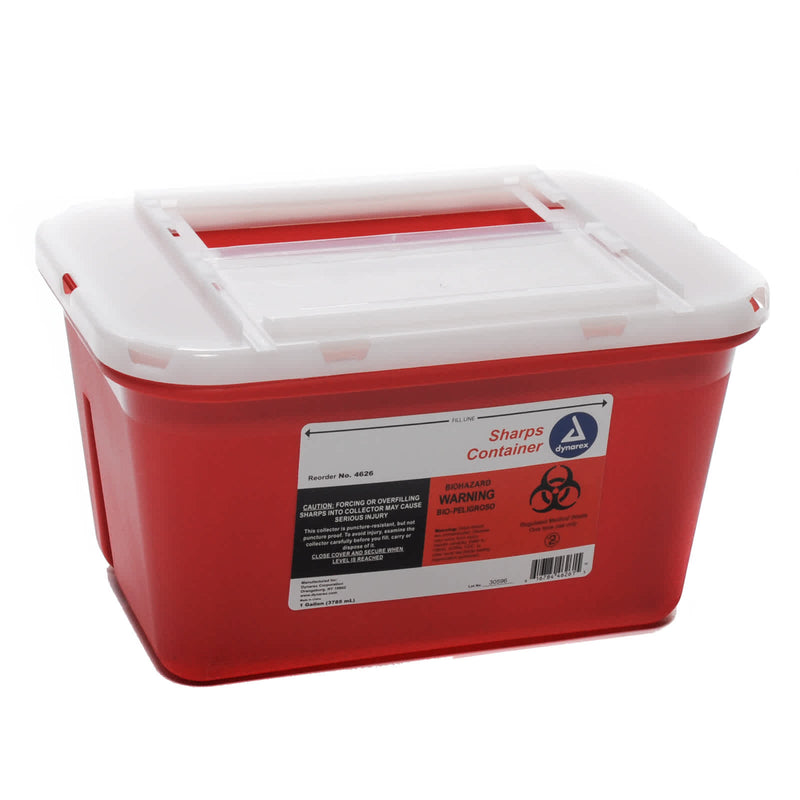
Sizing depends on volume. A 1-quart container suits a station doing a few cartridges a day; a 1-gallon container lasts longer at a busy station. Miami Tattoo Supplies lists Dynarex-branded 1-gallon and 1-quart sharps containers at $12.95 and $8.95 at the time of writing (November 2026). Keep the sharps container for sharps only. Florida's 30-day storage clock (below) starts when a sharps-only container is sealed, but if non-sharps waste goes into it, the clock starts with the first non-sharps item.
Florida's rules for getting it out of the building
Florida regulates tattoo studios as biomedical waste generators. The key points, from the Department of Health's biomedical waste program and Chapter 64E-16:
| Requirement | Florida rule |
|---|---|
| Permit | A tattoo establishment license requires a biomedical waste generator permit or exemption application |
| Storage limit | Biomedical waste may be stored at the generating facility for no more than 30 days |
| When the clock starts | When the first non-sharps item goes into a red bag or sharps container, or when a sharps-only container is sealed |
| Transport | Generators may only use a transporter registered with the Department of Health |
| Labeling | Bags and sharps containers labeled with the generator's name and address unless treated on site |
| Written plan | A written operating plan covering training, handling, spills and emergencies |
| Training | Before handling biomedical waste, with an annual refresher |
| Records | Kept for 3 years |
The Department of Health's guide to tattoo establishment licensure lists the biomedical waste generator permit/exemption application with an $85 fee; check the current fee and form with your county health department, which runs the tattoo program locally. The Department of Health's biomedical waste page also notes that facilities producing less than 25 pounds of biomedical waste in every 30-day period are exempt from the permit fee, which covers many small studios. The department publishes a model operating plan and a list of registered transporters on its biomedical waste page.
Tattoo licensing itself is covered in how to get a tattoo license in Florida.
Red bags for blood-soaked waste
In Florida, biomedical waste other than sharps is packaged and sealed at the point of origin in impermeable red plastic bags marked with the biohazard symbol and a phrase such as "biomedical waste". Because the definition includes blood-saturated absorbent material and disposable items contaminated with blood, decide in your written operating plan how gloves, barriers and towels are sorted after a session, and confirm that approach with your county inspector.
Pickup services
A registered transporter picks up sealed containers and red bags, gives you a receipt, and takes the waste to a permitted treatment facility. Florida's rule requires treatment within 30 days of collection. Ask the transporter for a schedule that keeps you inside the 30-day storage limit and for the paperwork your operating plan says to keep.
What OSHA adds for studios with employees
If you employ artists, OSHA's standard also requires a written exposure control plan reviewed at least annually, bloodborne pathogens training at hire and annually after that, and hepatitis B vaccination offered within 10 working days of assignment to employees with occupational exposure. Florida separately requires every licensed artist to complete an approved bloodborne pathogens course; see bloodborne pathogens training for tattoo artists.
Gear mentioned
Products from the Miami Tattoo Supplies catalog, the publisher of this site. Check current price and stock on the store.
Dynarex
Sharps Bio Hazard Tattoo Container 1 Gal.
View at Miami Tattoo Supplies: Sharps Bio Hazard Tattoo Container 1 Gal.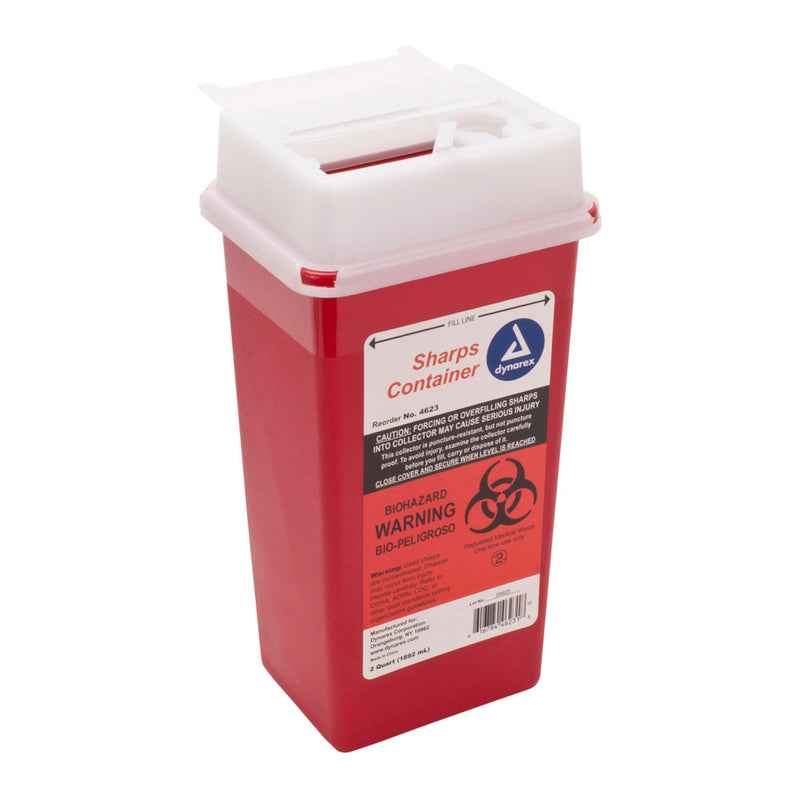
Dynarex
Sharps Bio Hazard Tattoo Container 1 Quart.
View at Miami Tattoo Supplies: Sharps Bio Hazard Tattoo Container 1 Quart.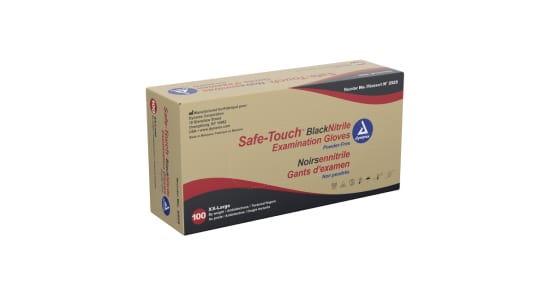
Dynarex
Safe-Touch Black Nitrile Exam Gloves Powder-Free - Box of 100
View at Miami Tattoo Supplies: Safe-Touch Black Nitrile Exam Gloves Powder-Free - Box of 100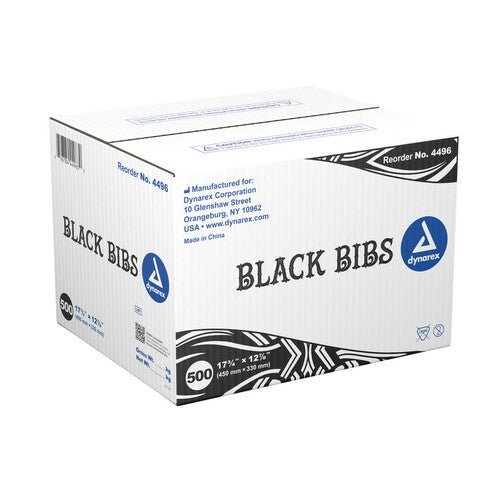
Dynarex
Dynarex Patient Dental Bibs - Black
View at Miami Tattoo Supplies: Dynarex Patient Dental Bibs - Black
Frequently asked questions
Can I throw used tattoo cartridges in the trash?
No. A used cartridge contains a contaminated needle, so it is a sharp. It goes into a sharps container at the station and leaves the studio with a registered medical waste transporter. Household needle drop-off programs are for home users, not businesses.
How often do sharps containers need to be picked up in Florida?
Florida limits storage of biomedical waste at the generating facility to 30 days. For a sharps-only container, the 30 days start when the container is sealed; for red bags, when the first item goes in. Arrange pickups with your registered transporter so nothing is stored longer than that.
Do I need a biomedical waste permit to tattoo in Florida?
The Department of Health requires a completed biomedical waste generator permit or exemption application as part of tattoo establishment licensure. Facilities producing under 25 pounds per 30-day period are exempt from the permit fee. Confirm the current requirement with your county health department.
Is the sharps container lid enough, or does it need tape?
Use the closure built into the container and follow its instructions, plus any packaging requirements your registered transporter gives you. Florida's rule only says the container must be sealed when full. Never reopen a sealed container or reach inside one.
What about needles that were opened but not used?
Florida requires sterile single-use items whose package is compromised to be discarded, and any that become contaminated during a procedure to be replaced. A needle out of its package cannot be returned to service, so put it in the sharps container.