What Is Green Soap and How Do Tattoo Artists Use It?
Short answer
What is green soap used for in tattooing?
Green soap is a liquid soap made from vegetable oils and glycerin, often with alcohol, that tattoo artists dilute with water in a spray bottle to clean the skin before the stencil, wipe away ink and blood during the session, and clean the finished tattoo. Dilute it exactly as its label says. It cleans skin; it is not a surface disinfectant. Foaming tattoo soaps are the main alternative.
Key takeaways
- Green soap is a skin cleanser, not an EPA-registered surface disinfectant.
- Dilution is set by the product label and differs by brand; concentrates and ready-to-use soaps are not interchangeable.
- Some green soaps are labeled as an alcohol-based antiseptic and are flammable; read the Drug Facts or label before use.
- Bag the spray bottle and label it with the product name if it is not the original container.
- Foaming soaps such as Hustle Bubbles or Panthera foam soaps are used undiluted from a pump, which some artists find gentler and faster.
On this page 7 sections
Green soap is in every tattoo studio, usually in a spray bottle next to the paper towels, and most artists learned to mix it by watching someone else. That is why so many people dilute it by eye. This guide explains what it is, how to dilute it properly, and what to use instead if you prefer a foam. It is published by Miami Tattoo Supplies, and the products named are ones the store lists in its cleaners and disinfectants collection.
What is green soap made of?
Green soap is a liquid soap made from vegetable oils or fatty acids and potassium hydroxide, with glycerin; some versions also contain alcohol. Ingredient lists vary by brand, so read the bottle.
One published example: the Dynarex Green label on DailyMed, the NIH's database of drug labels, lists alcohol at 30% as the active ingredient with the purpose "antiseptic", and inactive ingredients of coconut acid, fragrance, glycerin, oleic acid, potassium hydroxide and water. That label also carries warnings that the product is flammable, is for external use only, and should be kept out of the eyes. Its directions are to mix with water, lather and rinse off.
Not every green soap is labeled the same way. Some are sold as plain soaps, some as antiseptic skin cleansers. If you need a product labeled as an antiseptic for skin prep, as Florida's rule requires, check that your bottle actually says so.
What is green soap used for in tattooing?
Three jobs at the station:
- Before the stencil, to clean the skin. In Florida, the area must then be cleansed with a solution labeled as an antiseptic, used per its instructions, before the tattoo begins; some artists use one product for both steps if its label covers it.
- During the session, sprayed onto a paper towel or the skin to wipe off excess ink, blood and plasma so you can see your work.
- After the session, to clean the finished tattoo before the dressing goes on.
Shops that reprocess instruments also use diluted soap to pre-clean them before the ultrasonic and the autoclave. That is cleaning only, not sterilization; do tattoo shops need an autoclave covers the sterilizing step.
For stencil timing, see how to apply a tattoo stencil: over-wet skin and heavy soap residue can weaken the transfer.
How do you dilute green soap?
Follow the label of the bottle in your hand. Ratios are set by each manufacturer for their own concentration, and some green soaps are sold ready to use.
Two examples from products Miami Tattoo Supplies lists:
| Product | Form | Label direction (as listed) | Price, Nov 2026 |
|---|---|---|---|
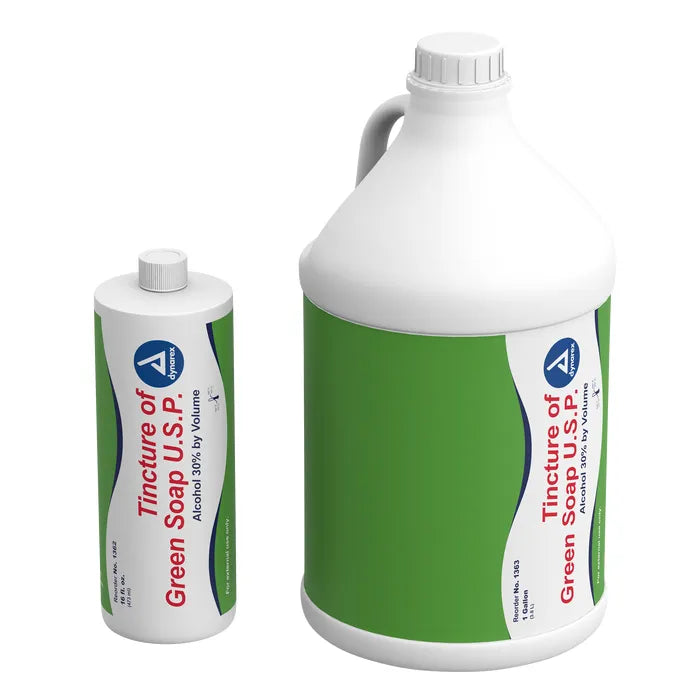
| Dynarex Pure Detergent Green Soap | Concentrate | 1 part soap to 7 parts distilled water | $9.95–$25 |
| Dynamic Soft Green Soap 8 oz | Pre-dispersed | Use straight from the bottle | $9.20 |
Mix fresh batches rather than topping up an old one, use distilled water if the label calls for it, and label the spray bottle with the product name. Florida requires any liquid not in its original container to be labeled with the product's name. Bag the bottle during the session so your gloves do not contaminate it; see the barrier protection guide.
Is green soap a disinfectant?
Not for surfaces. Green soap cleans skin and lifts soil; it is not an EPA-registered surface disinfectant and does not replace one on your station, machine or chair. Florida requires the machine and work area to be disinfected after every tattoo with an EPA-registered tuberculocidal disinfectant. The studio disinfectants guide explains which products qualify and why contact time matters.
The reverse also holds: never use a surface disinfectant on skin.
Green soap alternatives: foaming tattoo soaps
Foaming soaps come in a pump bottle and are used undiluted. Artists choose them because there is nothing to mix and the foam stays where it is put. The store lists several, at the time of writing (November 2026):
- Hustle Bubbles (Hustle Butter), 3.4 oz $14.99, 7 oz $20.50, a foaming soap sold as a green soap alternative. Read the ingredients and directions on the bottle; it meets Florida's skin-prep step only if the label calls it an antiseptic.
- Panthera Helix and Babool foam soaps, 7 oz, $17.99 each, for use before and after tattooing.
- Proton Antibacterial Soap, 7 oz, $14.99, in blue, pink and green.
- Hornet Cleaning Foam Honey, 8 oz, $15.99, a honey-scented foam soap.
These cost more per wash than diluted green soap, which is why many studios keep green soap for volume and a foam for clients with sensitive skin. If a client reacts to one, stop and use a plainer product.
The Hustle Bubbles listing shows both sizes, and the Dynarex Pure Detergent Green Soap listing shows the concentrate sizes.
Bottles that work
A spray bottle for diluted green soap, a squeeze bottle for water or rinse, and bags for both. The store lists a 10 oz aluminum spray bottle at $6.50, a 10 oz continuous spray bottle at $8.99, and squeeze bottles from $5.95.
Gear mentioned
Products from the Miami Tattoo Supplies catalog, the publisher of this site. Check current price and stock on the store.
Dynarex
Pure Detergent Green Soap Tattoo Cleaner
View at Miami Tattoo Supplies: Pure Detergent Green Soap Tattoo Cleaner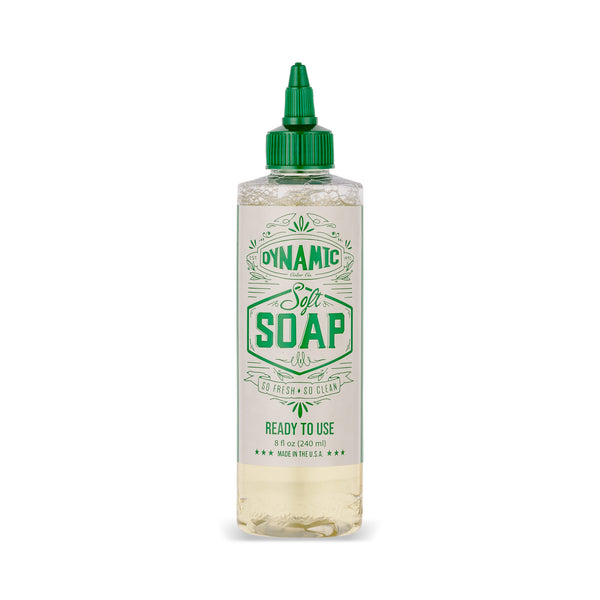
Dynamic Color
Dynamic Soft Green Soap Bottle 8oz
View at Miami Tattoo Supplies: Dynamic Soft Green Soap Bottle 8oz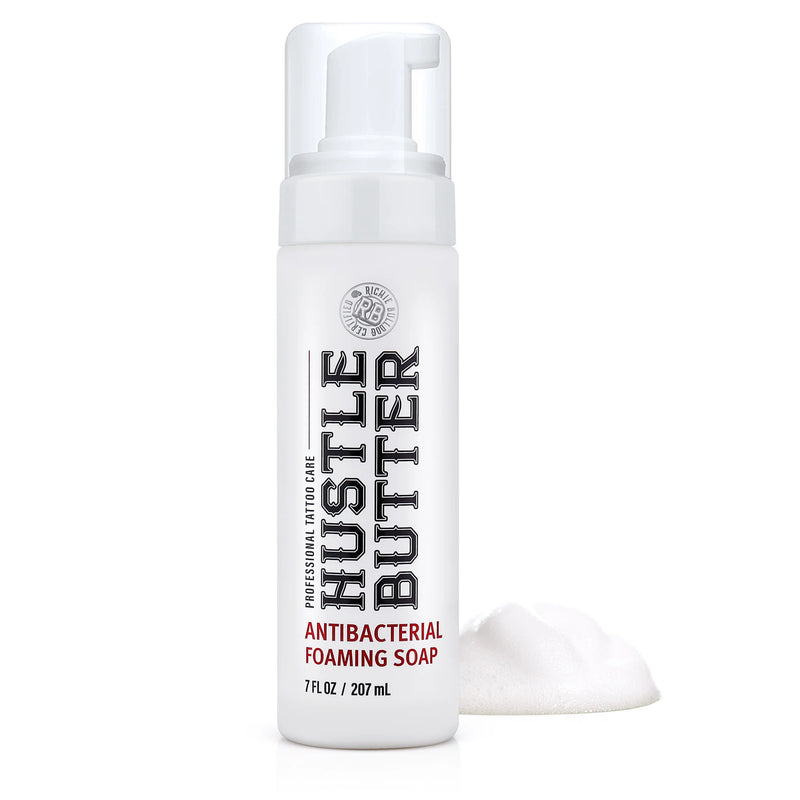
Hustle Butter
Hustle Bubbles Foamer Antimicrobial Soap
View at Miami Tattoo Supplies: Hustle Bubbles Foamer Antimicrobial Soap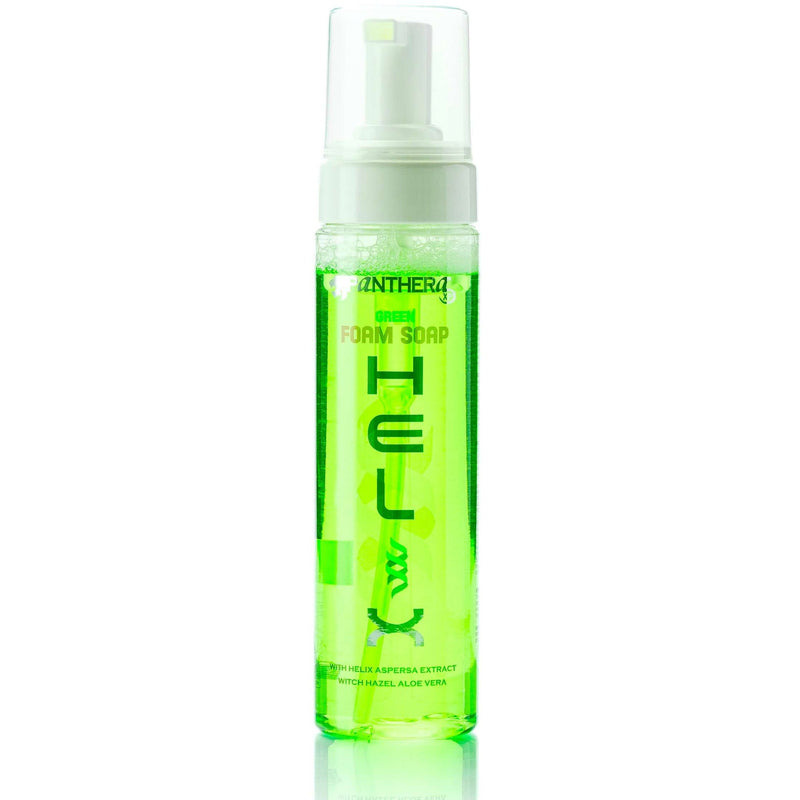
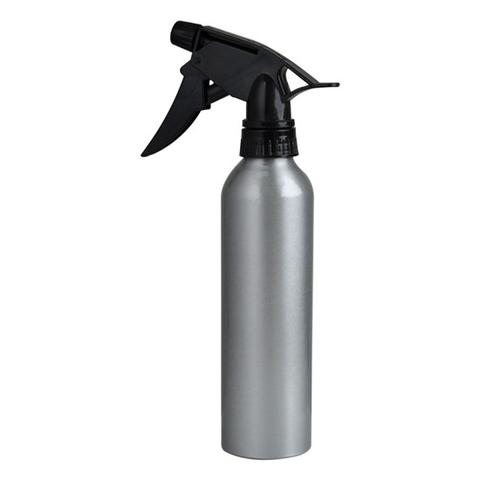
Aluminum Spray Bottle Use for Green Soap Mix Water 10 Oz
View at Miami Tattoo Supplies: Aluminum Spray Bottle Use for Green Soap Mix Water 10 Oz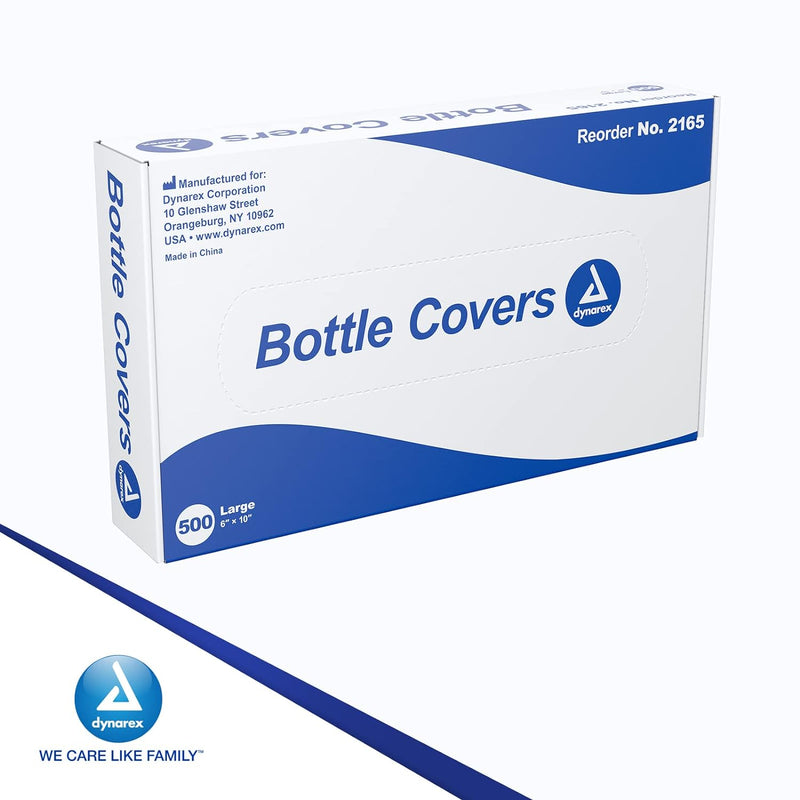
Dynarex
Dynarex Wash Bottle Cover Barrier Bags 6" x 10" - 500 pcs
View at Miami Tattoo Supplies: Dynarex Wash Bottle Cover Barrier Bags 6" x 10" - 500 pcs
Frequently asked questions
Can I use green soap on a fresh tattoo at home?
Cleveland Clinic's dermatology guidance is to wash a healing tattoo with a mild, fragrance-free antibacterial soap, which is simpler for a client than mixing a studio concentrate. Give clients a specific product or instruction in writing; see the aftercare instructions template.
Should I use green soap or a foam soap?
Either works if it is used per its label. Diluted green soap is the cheaper option for volume and wiping during long sessions. A foam soap needs no mixing and is often chosen for sensitive skin. Many studios keep both and pick per client.
Can I use more green soap for a stronger mix?
Use the ratio on the label. A stronger mix leaves more residue, can irritate skin and can make the stencil harder to hold. It does not turn green soap into a disinfectant.
Does green soap expire?
Check the bottle for an expiration date and storage directions. Mixed spray bottles should be made fresh rather than kept topped up, and the bottle cleaned between batches, so you are not adding new soap to an old mix.
Can green soap irritate skin?
Yes, some people react to soaps, fragrances or alcohol. If a client's skin reacts, stop using that product on them and switch to a fragrance-free or foaming alternative. Persistent or severe reactions should be seen by a doctor.