Do Tattoo Shops Still Need an Autoclave? Florida's Rule Explained
Short answer
Do tattoo shops need an autoclave?
Only if they reuse instruments. Florida's Rule 64E-28.007 requires a steam autoclave, a chemical indicator in every load, spore testing at least every 40 hours of use and at least quarterly, and sterilization logs, but exempts shops that use only individually packaged, pre-sterilized, single-use items labeled with the manufacturer's expiry date. Other states write their own rules, so check yours.
Key takeaways
- In Florida, a shop using any reusable instrument needs a steam autoclave, indicator strips, lab-confirmed spore tests and logs.
- A shop using only individually packaged, pre-sterilized, single-use items is exempt from the autoclave, cleaning sink and ultrasonic requirements.
- Those single-use items must be sterilized by ethylene oxide gas or gamma radiation and carry the manufacturer's expiry date.
- Disinfectant, barriers and gloves are still required in a single-use shop; going disposable removes sterilizing, not cleaning.
- Rules differ by state and county, so confirm with your own regulator before you skip the autoclave.
On this page 7 sections
The autoclave used to be the centerpiece of every tattoo shop's back room, because steel tubes, grips and needle bars were cleaned and sterilized between clients. Cartridge machines and pre-sterilized disposables changed that. Whether a shop still needs one now depends on two things: what it reuses, and what its regulator writes down.
This page is published by Miami Tattoo Supplies, a tattoo supply store in Hollywood, Florida. It explains Florida's rule, Chapter 64E-28 of the Florida Administrative Code, as it read in November 2026. The store does not list autoclaves; it sells the sterile single-use cartridges and disposables that a no-autoclave setup runs on.
What does Florida's rule require?
A steam autoclave, unless the shop uses only individually packaged, pre-sterilized, single-use items. Rule 64E-28.007 defines sterilization as using a steam autoclave to destroy all microbial life, including spores, and sets out what a shop that sterilizes must do:
- Clean first. Contaminated reusable items are cleaned in a sink separate from the hand sink (deep enough to submerge them, with gloves on) or in an ultrasonic machine used per the maker's instructions, then rinsed and dried before packaging.
- Run the autoclave to the maker's instructions for packaging, loading and processing, clean it as recommended, and service it at least once a year or as the maker recommends. Keep the manufacturer's instructions on site for the inspector.
- Verify every load with a chemical indicator strip inside one packet that shows steam exposure and operating temperature.
- Spore test at least every 40 hours of autoclave operation, and at least quarterly, with results confirmed by an independent laboratory.
- Keep records: a log of cumulative run time, the quantity and types of items sterilized each date and the spore test dates, plus the lab results.
- Label and store: date each autoclaved package, re-sterilize any compromised package, and keep sterile packages in a clean, dry, covered container or cabinet.
If a spore test comes back positive, the autoclave is taken out of service immediately and everything processed since the last negative test is treated as non-sterile. Tattooing can continue only with another working autoclave or with all single-use, pre-sterilized instruments.
The single-use exemption
Rule 64E-28.007(16) says that if only individually packaged, pre-sterilized, single-use items are used, an autoclave is not required, and neither are the cleaning-sink, ultrasonic, spore-testing and sterilization-record requirements. The conditions:
- Items must be sterilized with ethylene oxide gas or gamma radiation.
- Each must be labeled with an expiration date by the manufacturer.
- Any compromised package (the rule defines this as wet, torn or stained) must be thrown away, not re-sterilized.
- If the sterilization method is not printed on the packaging, the shop keeps documentation from the manufacturer that identifies it.
| Reusable instruments | Single-use only | |
|---|---|---|
| Steam autoclave | Required | Not required |
| Cleaning sink or ultrasonic | Required | Not required |
| Indicator strips and spore tests | Every load; every 40 hours and quarterly | Not required |
| Sterilization records | Log and lab results on site | Manufacturer's method if not on the pack |
| Expiry dates | Autoclave date on each package | Manufacturer's expiry on each item |
What single-use does not remove
Going disposable removes sterilizing, not cleaning. Under Rule 64E-28.009 an artist must still use only sterile needle bars, sterile needle tubes and single-use sterile needles; use barrier covers on equipment that may be touched, or disinfect the machine after the procedure if it is not covered; wear new disposable gloves for each session; and, after each tattoo, discard the barriers and disinfect the machine and work area with an EPA-registered tuberculocidal disinfectant. Anything added to the machine to stabilize the needle must be single-use or a disinfected reusable item. Furniture and counters must be non-porous and disinfected after each customer.
The disinfectant side is covered in our studio disinfectants guide, and machine cleaning in how to clean a tattoo machine.
What a disposable-only setup needs
A shop that skips the autoclave in Florida needs, at every station:
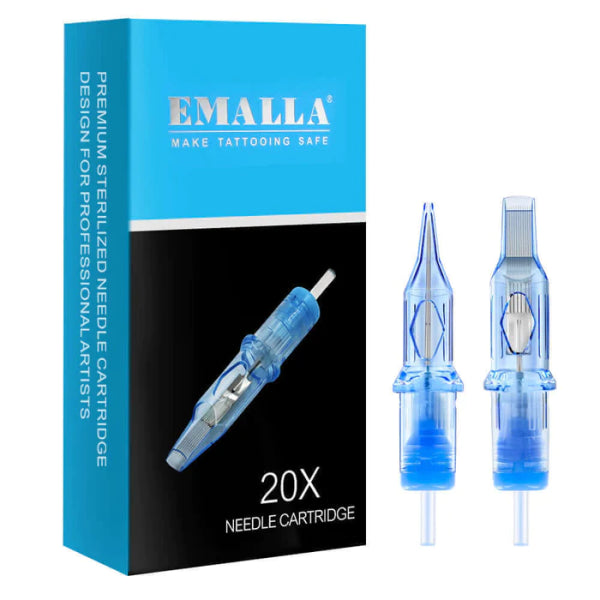
- Pre-sterilized cartridges in sealed individual packs with the sterilization method and expiry date printed on them; at the time of writing, brand-name boxes of 20 at Miami Tattoo Supplies started at $25.99 (Emalla) and $31.49 (Kwadron).
- Disposable grips or tubes for any machine that is not cartridge-based; the store's disposable tubes and grips collection holds these, and availability varies.
- Barriers: machine covers ($12 for 250), pen covers, clip cord sleeves and bottle covers.
- Gloves by the box or case.
- An EPA-registered tuberculocidal disinfectant such as CaviCide ($18.90 to $43).
- Single-use ink caps and single-dose ointment.
- A sharps container at each station ($8.95 for 1 quart, $12.95 for 1 gallon).
- A clean, dry, covered cabinet or container for sterile stock, and a way to rotate it by expiry date.
The studio hygiene supplies guide lists the full set, and the medical supplies collection holds the hygiene stock.
Do other states require an autoclave?
Each state, and sometimes each county, writes its own body-art rules, and they do not have to match Florida's, including on whether a single-use shop can skip the autoclave and how often an autoclave must be tested. Read your own health department's rule before you plan the back room, and ask the inspector if the wording is unclear.
When an autoclave still makes sense
If your artists prefer reusable steel grips, run coil machines with reusable tubes, or share the premises with services that sterilize instruments, the autoclave stays. Budget for the unit, pouches, indicator strips, a laboratory spore-testing service, annual servicing and the cleaning sink or ultrasonic machine the rule requires before sterilization. Comparing cartridges and traditional needles helps decide which way your shop goes.
Gear mentioned
Products from the Miami Tattoo Supplies catalog, the publisher of this site. Check current price and stock on the store.
Emalla
Emalla Tattoo Needle Cartridges - Round Liners (20pcs)
View at Miami Tattoo Supplies: Emalla Tattoo Needle Cartridges - Round Liners (20pcs)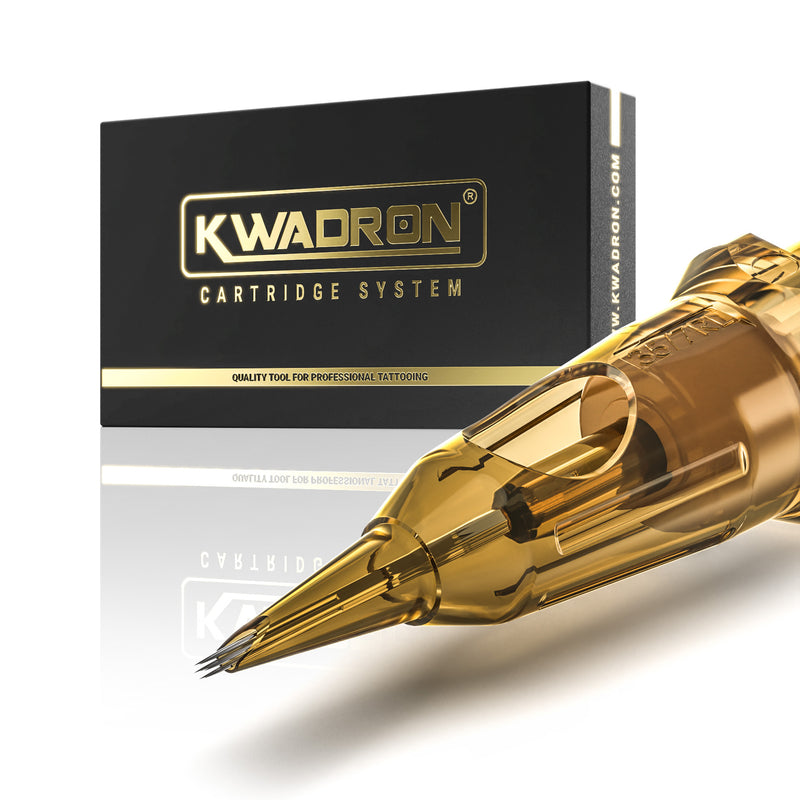
Kwadron
Kwadron Cartridge Needles - Round Liner (RL) Tattoo Cartridges 20pcs
View at Miami Tattoo Supplies: Kwadron Cartridge Needles - Round Liner (RL) Tattoo Cartridges 20pcs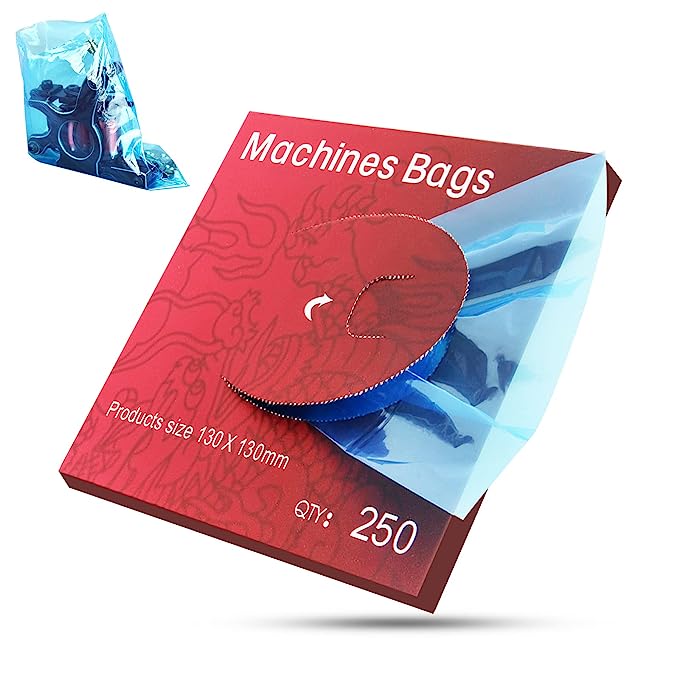
Tattoo Machine Covers 250/Pcs Per Box
View at Miami Tattoo Supplies: Tattoo Machine Covers 250/Pcs Per Box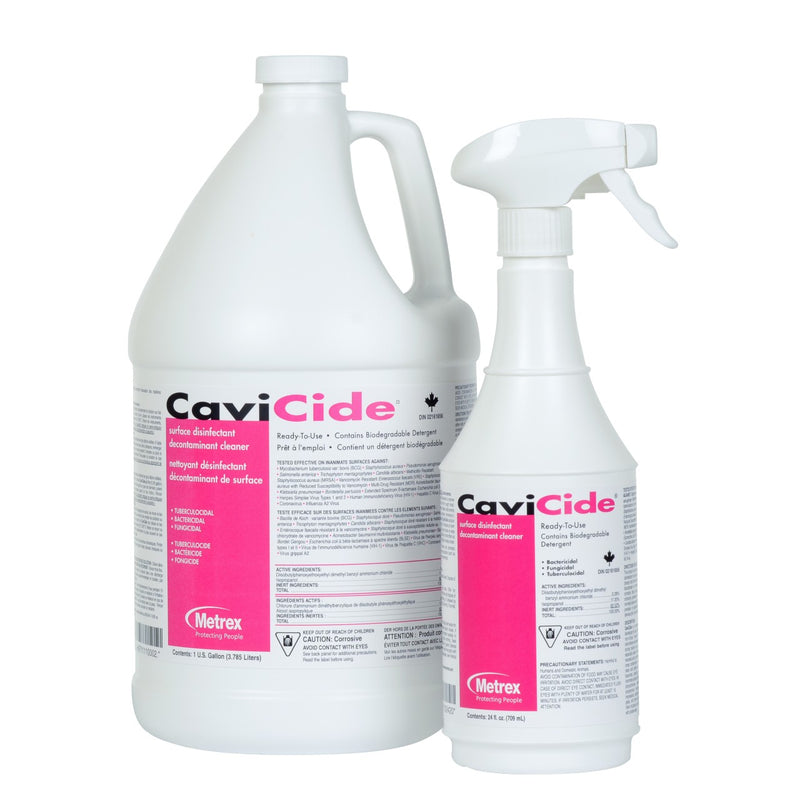
Cavicide Surface Disinfectant Cleaner
View at Miami Tattoo Supplies: Cavicide Surface Disinfectant Cleaner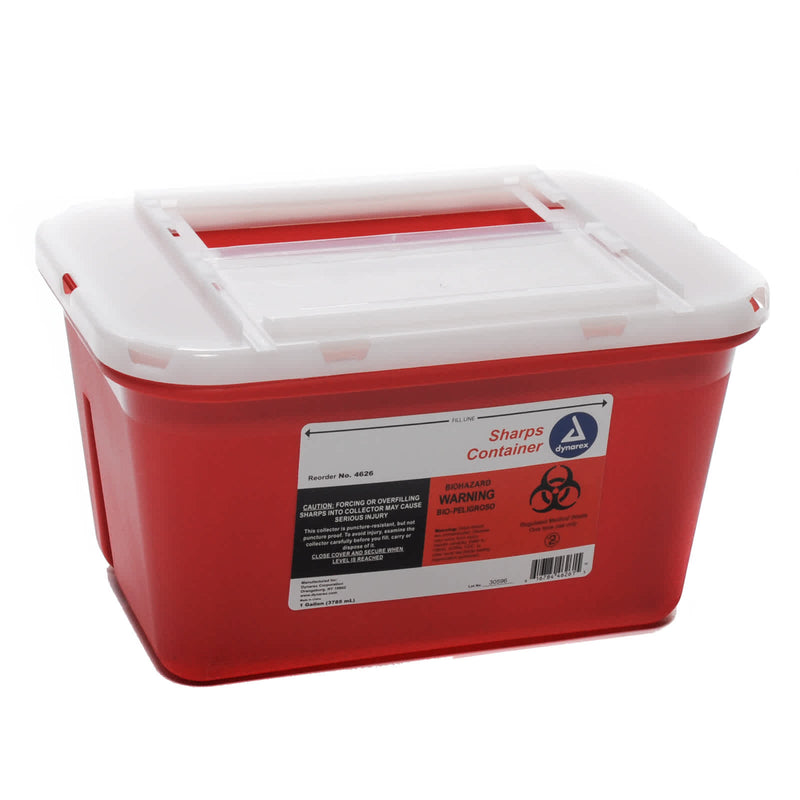
Dynarex
Sharps Bio Hazard Tattoo Container 1 Gal.
View at Miami Tattoo Supplies: Sharps Bio Hazard Tattoo Container 1 Gal.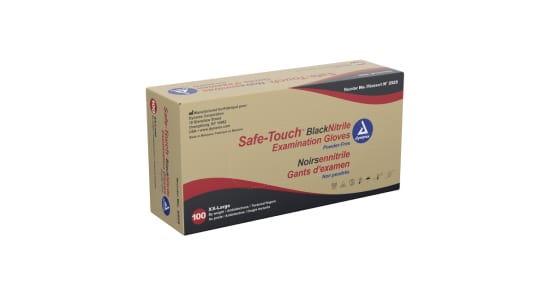
Dynarex
Safe-Touch Black Nitrile Exam Gloves Powder-Free - Box of 100
View at Miami Tattoo Supplies: Safe-Touch Black Nitrile Exam Gloves Powder-Free - Box of 100
Frequently asked questions
Is an autoclave required for a tattoo shop in Florida?
Only if the shop uses any reusable instruments. Rule 64E-28.007 exempts a shop that uses only individually packaged, pre-sterilized, single-use items sterilized by ethylene oxide or gamma radiation and labeled with the manufacturer's expiry date. Confirm your setup with your county health department before your inspection.
How often do tattoo shops have to spore test an autoclave in Florida?
At least every 40 hours of autoclave operation and at least once a quarter, with results confirmed by an independent laboratory, under Rule 64E-28.007. Every load also needs a chemical indicator strip inside one packet, and the shop keeps a log of run time, items sterilized and test dates.
Are tattoo cartridges sterile?
Cartridges are sold as pre-sterilized, single-use items in individually sealed packs. Check each pack for the sterilization method and expiry date before use, and ask the maker for documentation if the method is not printed. Florida requires single-use items to be sterilized by ethylene oxide gas or gamma radiation and discarded if the package is wet, torn or stained.
Can I autoclave tattoo cartridges and reuse them?
No. Cartridges are single-use items: one client, then the sharps container. Florida's rule defines instruments that pierce the skin as single-use items disposed of after each customer. Autoclaving does not make a used cartridge reusable, and a compromised sterile pack must be discarded, not re-sterilized.
Do I need an ultrasonic cleaner without an autoclave?
Not in Florida, if every instrument is pre-sterilized and single-use. The rule's cleaning sink and ultrasonic requirements apply only to reusable items that are cleaned before sterilization. You still need hand sinks, a surface disinfectant, barriers and gloves for every procedure.