How to Open a Tattoo Shop in Florida: Licenses, Inspection and Supplies
Short answer
How do you open a tattoo shop in Florida?
To open a tattoo shop in Florida you need a tattoo establishment license from the Department of Health: a completed application to your county health department, a passed inspection under Chapter 64E-28, a business name registered with the Department of State (Sunbiz), a biomedical waste permit and the $200 state fee. Every artist needs their own license, and local business tax rules may also apply.
Key takeaways
- The establishment license requires an application, a passed inspection, Sunbiz name registration and a biomedical waste permit, filed with the county health department.
- Rule 64E-28.011 sets the establishment license fee at $200; the license lasts one year and cannot be moved to a new location or owner.
- Inspectors check rooms and fixtures as well as supplies: non-absorbent floors and walls, hand sinks, 100 foot-candles of light and non-porous work surfaces.
- A shop that uses only individually packaged, pre-sterilized, single-use instruments does not need an autoclave under Florida's rule.
- Confirm every requirement and fee with your county health department before signing a lease or ordering furniture.
On this page 8 sections
Opening a tattoo shop in Florida is a licensing job before it is a shopping job. The Department of Health licenses the premises separately from the people who tattoo in it, and the inspection looks at walls, sinks and lighting as closely as it looks at needles. Get the room right first, then buy for it.
This guide is published by Miami Tattoo Supplies, a tattoo supply store in Hollywood, Florida, which sells to studios and offers wholesale accounts for shops. Everything regulatory below comes from the Department of Health's tattooing pages and Chapter 64E-28 of the Florida Administrative Code as they read in November 2026. Rules and fees change, so confirm with your county health department before you sign a lease.
What licenses does a Florida tattoo shop need?
Two kinds: one for the shop and one for each person who tattoos there. The Department's establishment page says all Florida tattoo establishments need a license to operate, and lists four requirements:
- A completed Application for Tattoo Establishment License.
- A passed inspection under sections 381.00771 to 381.00791 of the Florida Statutes and Chapter 64E-28.
- The business name registered with the Florida Department of State (Sunbiz).
- A completed biomedical waste permit.
Forms and fees go to the county health department where the business is located. The same page tells you to contact your city or county about a business tax receipt or other local operating requirements, which are separate from the state license.
Every artist working in the shop needs a Florida tattoo artist license, or a guest tattoo artist registration if they are licensed in another jurisdiction. That process, including the approved bloodborne pathogens course, is covered in our guide to getting a tattoo license in Florida.
How do you apply for the establishment license?
File form DH 4151 with the environmental health section of the county health department before any tattooing takes place, per Rule 64E-28.005. The Department's FAQ says applications cannot be submitted online; they go by email, fax or mail.
| Item | What the rule or Department says |
|---|---|
| State fee | $200 (Rule 64E-28.011) |
| Term | One year from the date issued |
| Late renewal | License becomes inactive; reactivation fee $75 |
| Moving premises | New license needed; not transferable between locations |
| New owner | New license needed before tattooing |
| Mobile studio | No mobile license; temporary licenses only for events |
Local fees can be added on top of the state fee, so ask your county for the full amount.
What does the inspection check?
The inspection is against Rule 64E-28.007, the operational requirements for a tattoo establishment. The points that shape a build-out:
- Construction. The shop needs walls, a floor and a ceiling. Floors and walls in the tattooing area, the cleaning and sterilizing area and the restrooms must be non-absorbent and easily cleanable.
- Separation. No direct opening into living or sleeping quarters (a solid floor-to-ceiling wall at minimum), and no location in an area where food is prepared.
- Light. At least 100 foot-candles in the tattooing area and the cleaning area.
- Hand sinks. A hand sink with unobstructed access in each tattoo area or centrally in the workroom, with running water under pressure, liquid soap, single-use paper towels in a dispenser and a waste receptacle. Restrooms need the same, plus a hand-washing sign.
- Surfaces. Work chairs, tables, stands, cabinets and counters must be smooth, non-porous and easily cleanable, and cleaned and disinfected after each customer.
- Pests and animals. Openings protected against insects and rodents; no animals except as provided under section 413.08 of the Florida Statutes (service animals), with fish aquariums allowed only in waiting and non-procedural areas.
- Food and smoking. No eating, drinking or smoking where tattooing happens or where instruments and supplies are cleaned and stored.
- Records. Customer records (including parental consent) and sterilization records for two years, and personnel records for each artist with their license number.
The Department may inspect at least once a year after you open. The Department also publishes a guide to operational requirements, linked from its establishment page, that explains what an inspector looks for.
Do you need an autoclave?
Only if you reuse instruments. Rule 64E-28.007 requires a steam autoclave with chemical indicators, lab-confirmed spore testing and a log, but exempts a shop that uses only individually packaged, pre-sterilized, single-use items, which must be sterilized by ethylene oxide gas or gamma radiation and carry the manufacturer's expiry date. Most new cartridge-machine studios go that way. The full comparison is in do tattoo shops need an autoclave.
The biomedical waste permit
Used needles and blood-contaminated waste are biomedical waste, managed under section 381.0098 of the Florida Statutes and Chapter 64E-16, according to Rule 64E-28.007. That is why the permit is part of licensure. Apply through the county health department and arrange a registered transporter to collect sealed sharps containers before you open; our guide to sharps disposal for tattoo artists covers containers, red bags and storage limits.
Guest artists and conventions
A shop that hosts visiting artists should know two more rules. Guest tattoo artist registration costs $35, is valid for up to 14 consecutive days and names the licensed establishment where the guest will work; Rule 64E-28.004 asks for the application at least 14 days before the guest starts. A temporary establishment license for a convention or similar event is a separate $200 license, valid for up to 14 consecutive days, with the application due at least 30 days ahead. The convention and guest spot checklist covers both.
Setting up the supply side
Buy in this order: the fixtures the inspector checks (sinks, lighting, non-porous furniture), then per-station equipment, then opening consumables. Per station that means a client table or chair, artist stool, arm rest, tray stand, task light, sharps container and machine; then gloves, sterile cartridges, ink caps, barrier film, stencil supplies and an EPA-registered tuberculocidal disinfectant, which the rule names for the machine and work area.
The tattoo shop supply checklist lists every zone, and our cost breakdown for opening a shop prices a station from current catalog prices. Studio furniture is in the studio supplies collection and hygiene stock in medical supplies at Miami Tattoo Supplies. A shop that will reorder every month should open a wholesale account before the first order rather than after it.
Gear mentioned
Products from the Miami Tattoo Supplies catalog, the publisher of this site. Check current price and stock on the store.
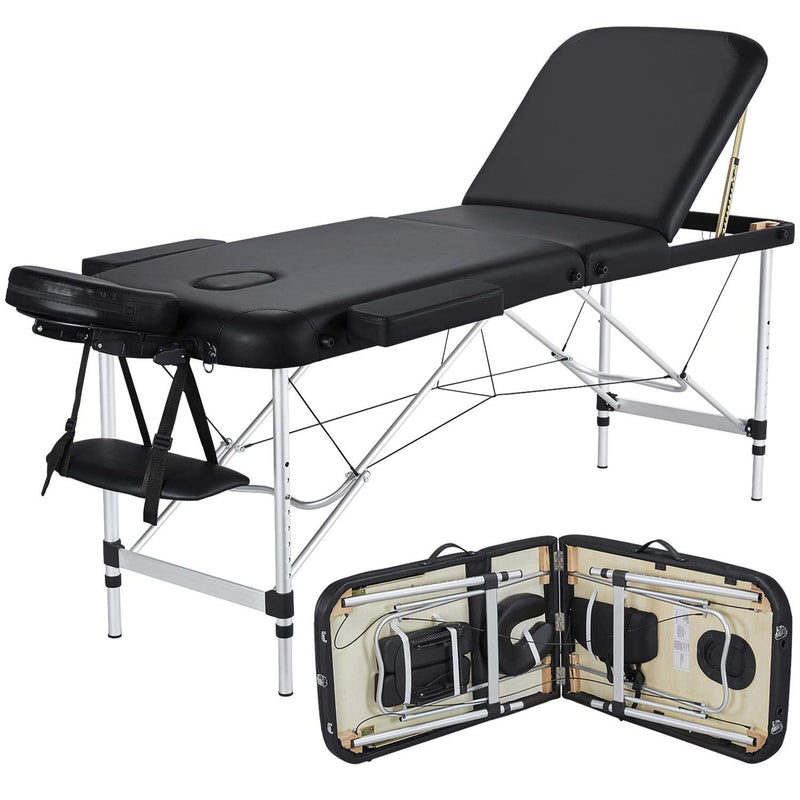
Wide Tattoo Table | Portable, Height-Adjustable | Ideal for PMU, Tattoo & More
View at Miami Tattoo Supplies: Wide Tattoo Table | Portable, Height-Adjustable | Ideal for PMU, Tattoo & More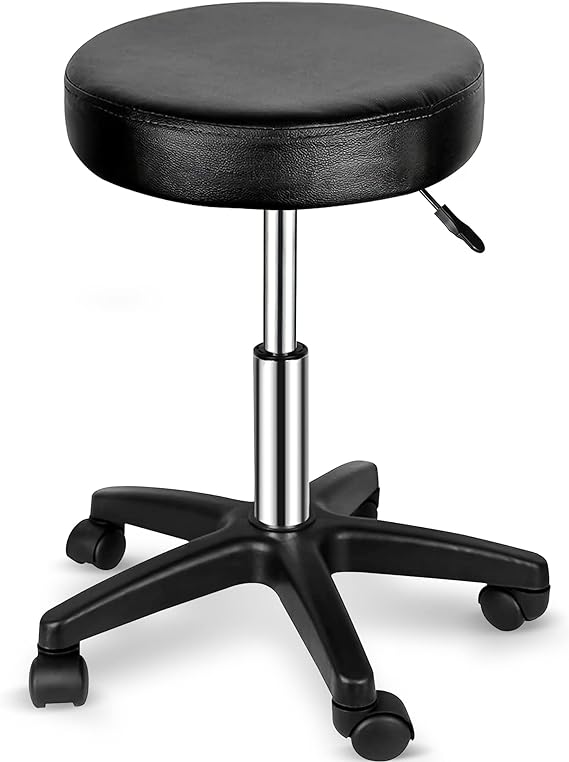
Adjustable Hydraulic Rolling Stool For Tattoo, PMU & Piercing
View at Miami Tattoo Supplies: Adjustable Hydraulic Rolling Stool For Tattoo, PMU & Piercing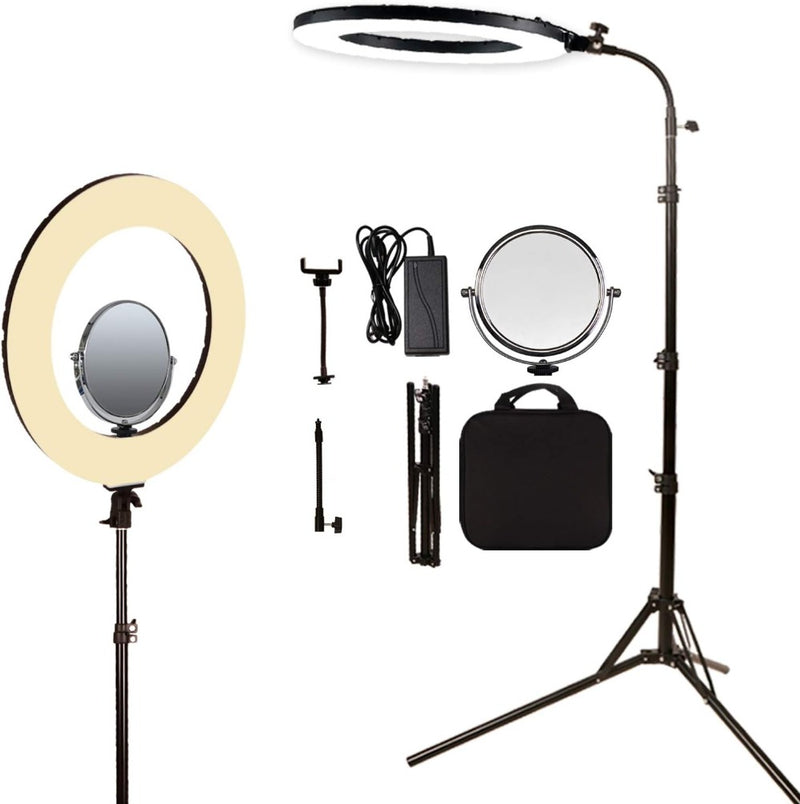
LED Ring Light For Tattoo & PMU - 19"
View at Miami Tattoo Supplies: LED Ring Light For Tattoo & PMU - 19"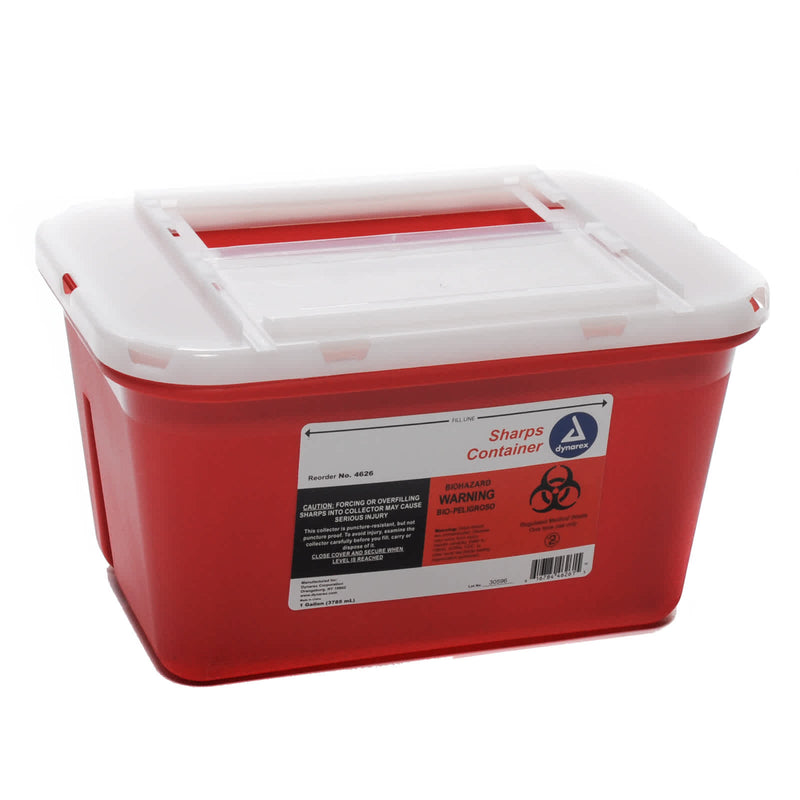
Dynarex
Sharps Bio Hazard Tattoo Container 1 Gal.
View at Miami Tattoo Supplies: Sharps Bio Hazard Tattoo Container 1 Gal.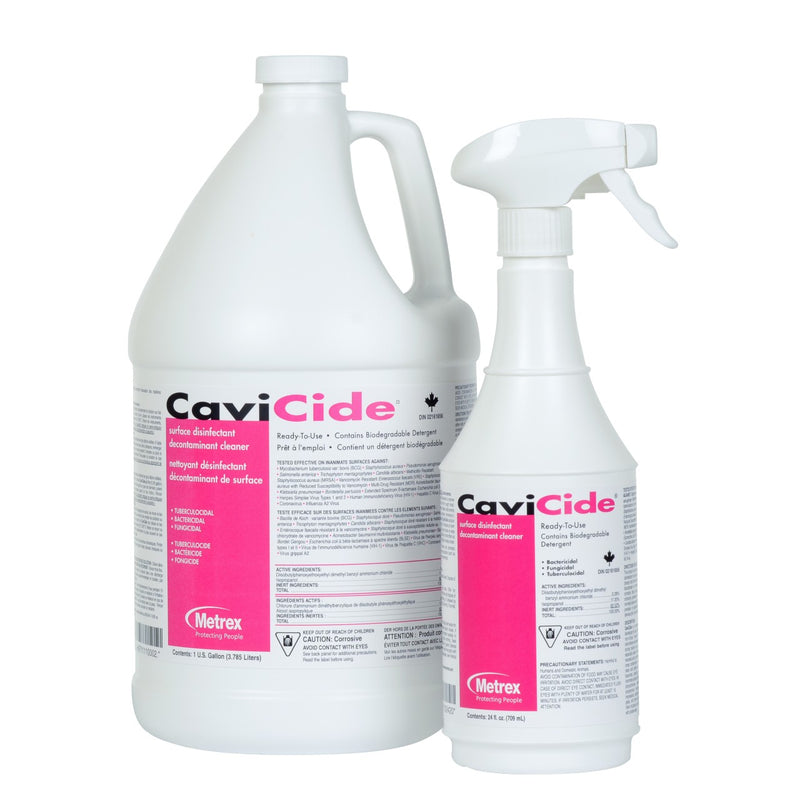
Cavicide Surface Disinfectant Cleaner
View at Miami Tattoo Supplies: Cavicide Surface Disinfectant Cleaner
Frequently asked questions
How much does a tattoo shop license cost in Florida?
Rule 64E-28.011 sets the tattoo establishment license fee at $200, and the temporary establishment license for an event at $200. Reactivating an establishment license that was not renewed on time costs $75. Counties can add local fees, and the biomedical waste permit is a separate application, so ask your county health department for the full amount.
Can I open a tattoo shop in my home in Florida?
Not inside living space. Rule 64E-28.007 forbids any direct opening between a tattoo establishment and living or sleeping quarters and requires at least a solid floor-to-ceiling wall between them. The Department's FAQ says tattooing at home is not permitted, and local zoning applies on top, so check with your city or county.
Can I buy an existing tattoo shop and keep its license?
No. The Department's FAQ says a change in ownership requires a new establishment license before tattooing, and Rule 64E-28.005 says a license cannot be transferred from one location or person to another. Plan the new owner's application and inspection into the purchase timeline.
Is there a mobile tattoo license in Florida?
No. According to the Department's FAQ, tattooing must take place in a licensed fixed or temporary establishment. A mobile unit can be licensed as a temporary establishment for a convention or similar event, for up to 14 consecutive days at one location, or as a fixed establishment only if it cannot be moved.
How long does a Florida tattoo establishment license last?
One year from the date it is issued, under Rule 64E-28.005. A license not renewed on or before its expiration date becomes inactive, and no tattooing may be performed at an establishment without an active license. Renew through the same county health department and keep the license current before your annual inspection.
Sources
- Florida Department of Health — Tattoo Establishment Licensure Requirements
- Florida Department of Health — Tattoo Licensure Frequently Asked Questions
- Florida Department of Health — Tattoo Artist Licensure
- Florida Department of Health — Guest Tattoo Artist Registration
- Chapter 64E-28, Florida Administrative Code (Tattooing)