Do You Need a License to Buy Tattoo Supplies?
Short answer
Do you need a license to buy tattoo supplies?
In most US states you do not need a license to buy tattoo supplies, but you do need one to tattoo another person. The exceptions matter: Arkansas law bars selling tattoo ink, needles and machines to anyone without a state artist license, Tennessee bars unlicensed possession with intent to use, and some manufacturers and suppliers sell only to verified licensed shops.
Key takeaways
- Licensing in the US regulates the act of tattooing a person, not the purchase of supplies, in most states.
- Arkansas makes it a Class A misdemeanor to sell tattoo ink, needles or machines to someone without a state artist license, and to possess them without one.
- Tennessee prohibits using or possessing tattoo equipment with intent to use it without a license, and prohibits selling it to anyone under 18.
- Some manufacturers and suppliers voluntarily sell only to licensed shops and ask for an establishment license or health-department paperwork.
- Being able to buy a machine does not make it legal to tattoo people; check your state or county health department first.
On this page 7 sections
The question usually comes from two kinds of buyers: an apprentice setting up a first kit, and someone who wants to buy a machine before they have a shop behind them. The honest answer separates two things the law treats very differently — buying the equipment and using it on a person.
This page is published by Miami Tattoo Supplies, a tattoo supply store in Hollywood, Florida. It is general information, not legal advice; rules change, so confirm with your state or county health department before you rely on any of it.
Is it legal to buy tattoo supplies without a license?
In most states, yes. US tattoo law is written around the practice, not the purchase. The FDA treats tattoo inks as cosmetics and says plainly on its tattoo and permanent makeup fact sheet that the actual practice of tattooing is regulated by local jurisdictions. States and counties license the artist and the establishment; most of them say nothing about who may buy a bottle of ink or a box of cartridges.
Florida is a good example of the usual model. The Florida Department of Health requires a license for anyone who tattoos another person — including cosmetic tattooing, permanent makeup and microblading, and apprentices tattooing as part of training. To apply you must be at least 18, show government photo ID, and pass a bloodborne pathogens and communicable diseases course with a score of at least 70%, applying through the county health department where you live. Nothing on that page restricts buying supplies.
Which states restrict selling or owning tattoo equipment?
A few states go further and regulate the equipment itself. These are the two we verified for this page:
| State | What the law says | Penalty |
|---|---|---|
| Arkansas | No sale of tattoo needles, ink, barrels, drips or machines to a person in the state who is not a licensed artist; possession by an unlicensed person also prohibited | Class A misdemeanor, each violation separate |
| Tennessee | No use, or possession with intent to use, of tattoo equipment, needles or designs without a license; no sale or distribution to anyone under 18 | Class A misdemeanor |
The Arkansas rule comes from Act 596 of 2013, which the Arkansas Department of Health publishes. Tennessee's provisions are in Tennessee Code sections 62-38-212 and 62-38-213; the second also requires sellers who ship by mail to obtain a signed statement that the buyer is 18 or older.
Other states have debated similar bills. Do not assume your state has none — search your state's health department site for "body art" or "tattoo" and read the current rule, not a summary.
Do suppliers or manufacturers ask for a license?
Some do, as a business choice rather than a legal requirement. Fusion Ink states on its counterfeit warning page that it ships only to verified tattoo shops and asks buyers for a shop address. Some US supply houses go further and sell only to customers working in a licensed tattoo or piercing shop, asking for shop documents such as an establishment license or a health-department inspection report.
Other suppliers sell to the public. Policies differ, so read the account or verification page before you order, particularly for machines.
Wholesale accounts are a separate question: suppliers that offer trade pricing usually want proof that you are a business. The wholesale tattoo supplies guide covers what is typically asked for. Miami Tattoo Supplies has a wholesale account page for shops; contact the store for its requirements, which this page does not state.
Buying is not permission to tattoo
The gap between "I can buy it" and "I can use it" is where people get into trouble. Tattooing someone without the license your state requires is illegal, and it carries real infection risk for the client. The FDA notes that infections from contaminated ink can occur even when the artist follows hygienic procedures — which is one reason states require training and inspected premises.
If you are starting out, the legal and safe path is the same:
- Find an apprenticeship in a licensed shop. The guide to becoming a tattoo artist explains how that works.
- Complete a bloodborne pathogens course. See bloodborne pathogens training for tattoo artists.
- Get your state or county license before you tattoo anyone. Florida readers can follow how to get a tattoo license in Florida.
- Practice on synthetic skin, not on people, until your mentor says otherwise.
Tattooing minors is restricted almost everywhere. In Florida, state law prohibits tattooing anyone under 16 (outside narrow medical exceptions) and allows 16- and 17-year-olds only with a parent present, government IDs, and notarized written consent, with the work done by a licensed artist.
What you can sensibly buy before you are licensed
Practice skin, drawing supplies, stencil paper and books are what an apprentice actually uses in the first months, and they carry no legal question anywhere. The practice skin range at Miami Tattoo Supplies runs from small sheets to full-back silicone pieces. Gloves and barrier film are worth buying early so that clean habits form on practice skin, before they matter on a client.
Hold off on a full professional setup until your mentor has shown you what you will actually use; the apprentice supply list is a better starting point than a boxed kit.
The bottom line
In most of the US you can buy tattoo supplies without a license, but you cannot legally tattoo anyone without one. Arkansas and Tennessee restrict the equipment itself, and some suppliers voluntarily sell only to licensed shops. Check your state health department before buying, and before tattooing anyone, get licensed.
Gear mentioned
Products from the Miami Tattoo Supplies catalog, the publisher of this site. Check current price and stock on the store.
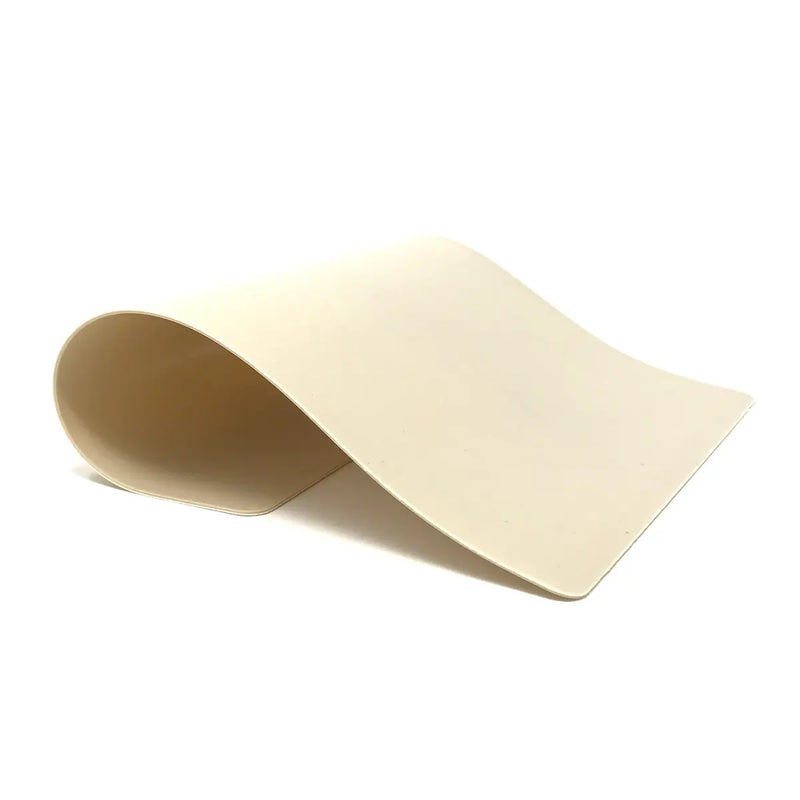
Regular Practice Skin 8x12
View at Miami Tattoo Supplies: Regular Practice Skin 8x12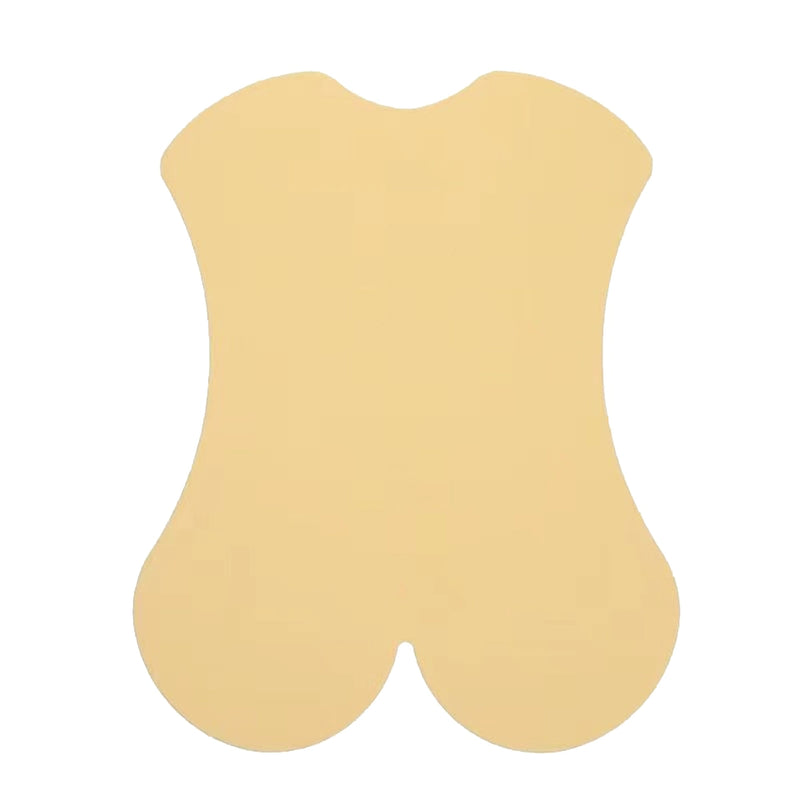
HQ Silicone Practice Skin Full Back 15'x20'
View at Miami Tattoo Supplies: HQ Silicone Practice Skin Full Back 15'x20'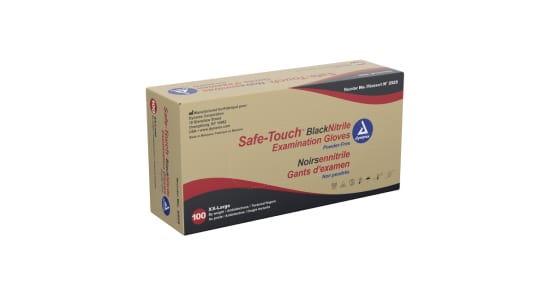
Dynarex
Safe-Touch Black Nitrile Exam Gloves Powder-Free - Box of 100
View at Miami Tattoo Supplies: Safe-Touch Black Nitrile Exam Gloves Powder-Free - Box of 100
Frequently asked questions
Can I buy a tattoo machine without a license?
In most states, yes — there is no law against buying one. Arkansas is a clear exception: selling a tattoo machine to an unlicensed person there is a misdemeanor, and so is possessing one. Tennessee prohibits possessing tattoo equipment with intent to use it unless you are licensed. Some suppliers also ask for shop documents before selling machines.
Do I need a license to buy tattoo ink?
Usually not. The FDA regulates tattoo ink as a cosmetic and does not license buyers; it leaves the practice of tattooing to state and local authorities. Arkansas law does prohibit selling tattoo ink to anyone in the state who is not a licensed artist, and some ink makers, such as Fusion Ink, state that they ship only to verified tattoo shops.
Is it legal to tattoo friends at home?
Not in states that license tattooing. Florida, for example, requires a license for anyone who tattoos another person, and the license application names the licensed tattoo establishment where you will work. Beyond the law, home setups lack the barrier protection, sterilization and waste disposal that prevent infections. Practice on synthetic skin and pursue an apprenticeship instead.
Does a bloodborne pathogens certificate let me buy wholesale?
Not by itself. A bloodborne pathogens course is one requirement for a state license, but suppliers that verify buyers or offer trade pricing usually ask for business or shop documents, such as an establishment license or a health-department inspection report. Ask the supplier which documents it accepts before applying.
How do I find out what my state requires?
Go to your state health department's website and search for "tattoo" or "body art". In some states, including Florida, licensing runs through county health departments. Read the current rule or statute rather than a third-party summary, note the fee printed by the regulator, and call them if anything is unclear.