
Best Gloves for Tattooing: Nitrile vs Latex
Short answer
What gloves do tattoo artists use?
Tattoo artists use disposable, powder-free medical examination gloves, usually black nitrile or black latex. Nitrile is the safer default because it avoids natural rubber latex allergy for both artist and client; latex gives a slightly softer, closer fit. Pick a snug size, a fingertip thickness you can still feel through, and change gloves whenever they tear, touch anything outside the tattoo, or you leave the station.
Key takeaways
- Use powder-free examination gloves only; the FDA has banned powdered exam gloves since 2017.
- Nitrile avoids natural rubber latex allergy, which matters for the client as much as for you.
- Black gloves hide ink and blood staining; color has no effect on protection.
- Thicker fingertips resist tearing; thinner palms keep feel. Listings give the mil thickness, so compare it.
- Gloves are single-use. Never wash, sanitize or reuse them.
On this page 8 sections
Gloves are the one supply every tattoo artist goes through by the box, and the choice comes down to three things: the material, the thickness, and the fit. Color matters less than people think. This guide is published by Miami Tattoo Supplies and names gloves listed in its gloves and sleeves collection, with prices at the time of writing (November 2026).
What kind of gloves do tattoo artists use?
Tattoo artists use disposable medical examination gloves, powder-free. Examination gloves are a regulated medical device category in the US, and the FDA's position is plain: medical gloves are disposable, should never be reused, and should never be washed or disinfected. OSHA's Bloodborne Pathogens Standard says the same for workplaces: single-use gloves are replaced as soon as practical when contaminated and are not washed or decontaminated for reuse.
Powdered gloves are out. The FDA published a final rule banning powdered patient examination gloves and powdered surgeon's gloves in December 2016, effective January 2017, citing airway inflammation and hypersensitivity reactions. If a glove is not labeled powder-free, do not buy it for the station.
Nitrile vs latex: which is better for tattooing?
Nitrile is the better default; latex is a reasonable choice when you know nobody involved is allergic.
The deciding factor is natural rubber latex allergy. The FDA notes that some people are allergic to the natural rubber latex used in some medical gloves and advises them to choose gloves made from synthetic materials such as nitrile. In a studio that affects two people: the artist, who wears gloves for hours a day, and the client, whose broken skin is in contact with the glove for the whole session. OSHA also requires employers to make hypoallergenic or powderless alternatives readily accessible to any employee who is allergic to the standard gloves.
Latex keeps a following because it stretches and recovers well, so many artists find it fits closer and feels softer at the fingertips. If you use latex, ask every client about latex allergy at consultation and keep a box of nitrile in each size for the clients who say yes.
| Nitrile | Latex | |
|---|---|---|
| Material | Synthetic | Natural rubber latex |
| Allergy concern | Avoids latex allergy | Can trigger latex allergy |
| Fit and feel | Firm, slightly less stretch | Soft, close fit |
| Best for | Default for any studio | Artists and clients with no latex allergy |
| Store price, box of 100 (Nov 2026) | $10–$14.99 | $10.95–$13.95 |
How thick should tattoo gloves be?
Thick enough at the fingertips not to tear on a cartridge edge or a tube, thin enough at the palm that you can still feel the machine and stretch the skin. Glove listings state thickness in mils (thousandths of an inch), usually separately for palm and fingertip.
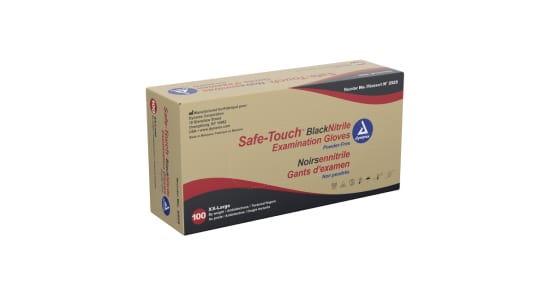
Two examples from the store's listings: Dynarex Safe-Touch black nitrile is listed at 3 to 4 mils at the palm and 4 to 6 mils at the fingertips, and Adenna's Phantom black latex is listed at a minimum of 5 to 6 mils at fingertip and palm. If you tear gloves often, move up in fingertip thickness before you blame the size. If your hands fatigue or lose feel on long sessions, try a thinner palm.
Do black gloves make a difference?
Black gloves are a working preference, not a safety upgrade. Their advantage is that ink and blood staining does not show, which keeps the station looking clean to the client and makes stencils and linework easier to read against the glove. The PolySilk listing describes the black color as designed to mask stains, inks and dyes. Protection comes from the material, thickness and an intact glove, not the color.
How should tattoo gloves fit?
Snug, with no loose material at the fingertips and no strain across the knuckles. Loose fingertips catch on cords and blur your feel of the skin; a glove that is too tight tears when you stretch the skin and tires your hands. Most exam gloves are ambidextrous and sized XS to XL. Keep at least two adjacent sizes in the studio, because brands size differently.
How often should you change gloves during a tattoo?
Every time a glove is compromised or leaves the procedure. Florida's tattoo rule is a useful benchmark: new disposable exam gloves for each session; if a glove tears, is punctured, or touches anything other than the client's skin or the items used in the procedure, remove and discard it, wash hands or use an alcohol-based hand sanitizer, and re-glove. Leaving the tattoo area means the same: gloves off, hands cleaned, new gloves on. OSHA adds hand washing as soon as feasible after gloves come off.
The video on this page, from UT Physicians, shows a clean removal technique; the bloodborne pathogens training your state requires covers it in more depth.
Gloves Miami Tattoo Supplies lists
All powder-free exam gloves, priced at Miami Tattoo Supplies at the time of writing (November 2026); size availability changes, so check the listing:
- Safe-Touch black nitrile (Dynarex), box of 100: $14.99.
- M+D black nitrile, box of 100: $10; case of 10 boxes: $79.
- Phantom black latex (Adenna), box of 100: $11.99.
- PolySilk black latex (Shamrock), box of 100: $10.95; case of 10 boxes: $75.
- Black Arrow black latex (Dynarex), box of 100: $13.95; case of 10 boxes: $100.
The Safe-Touch nitrile listing shows sizes in stock. Studios buying by the case can also ask about a wholesale account.
Gloves are one line of a longer list; see tattoo studio hygiene supplies and the barrier protection guide for what else touches the client.
Watch
Gear mentioned
Products from the Miami Tattoo Supplies catalog, the publisher of this site. Check current price and stock on the store.
Dynarex
Safe-Touch Black Nitrile Exam Gloves Powder-Free - Box of 100
View at Miami Tattoo Supplies: Safe-Touch Black Nitrile Exam Gloves Powder-Free - Box of 100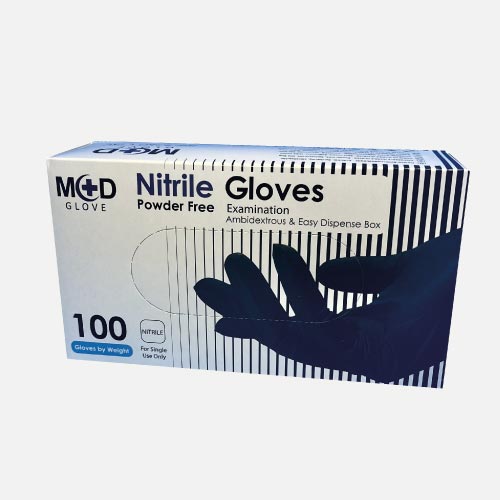
M+D
M+D Black Nitrile Exam Gloves Powder-Free
View at Miami Tattoo Supplies: M+D Black Nitrile Exam Gloves Powder-Free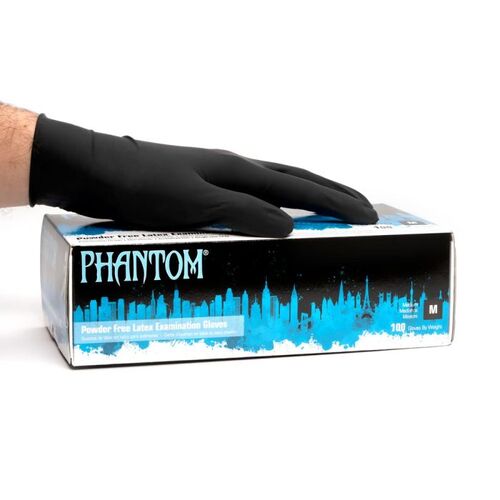
Adenna
Phantom Black Powder-Free Latex Tattoo Gloves by Adenna - Box of 100
View at Miami Tattoo Supplies: Phantom Black Powder-Free Latex Tattoo Gloves by Adenna - Box of 100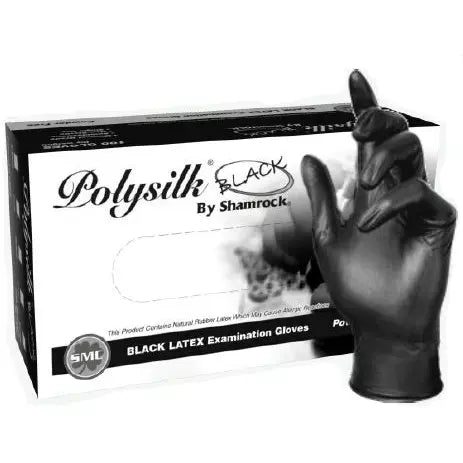
Polysilk
PolySilk Black Latex Examination Gloves Powder-Free By Shamrock-Box of 100
View at Miami Tattoo Supplies: PolySilk Black Latex Examination Gloves Powder-Free By Shamrock-Box of 100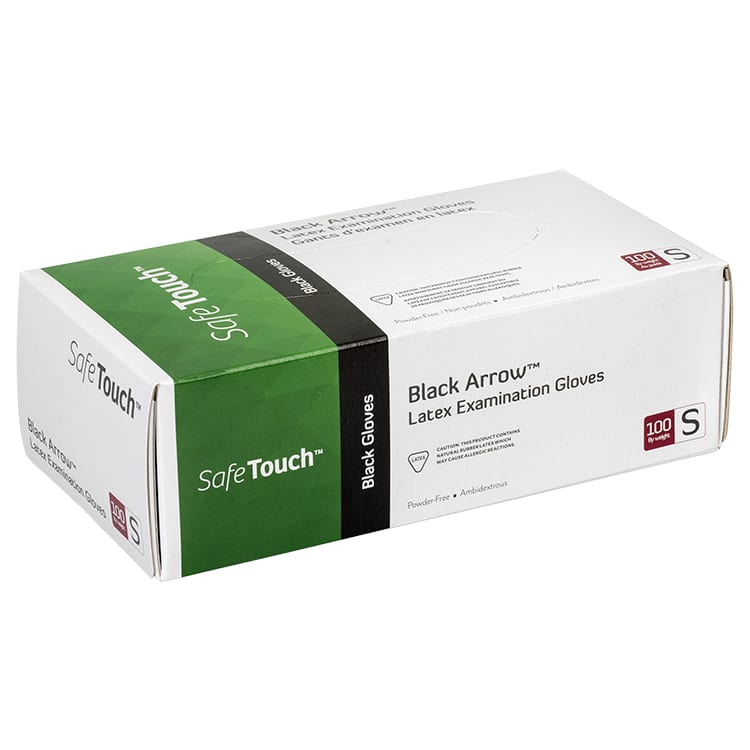
Dynarex
Black Arrow Latex Exam Gloves Powder-Free - Box of 100
View at Miami Tattoo Supplies: Black Arrow Latex Exam Gloves Powder-Free - Box of 100
Frequently asked questions
Are vinyl gloves OK for tattooing?
The FDA lists polyvinyl chloride among the synthetic materials used for medical gloves, so a vinyl exam glove is a legitimate medical glove. Most tattoo artists still choose nitrile or latex because they fit closer and stretch better during long sessions. Whatever the material, it must be a powder-free examination glove, not a food-service or general-purpose glove.
Is it OK to wash or sanitize gloves between steps?
No. The FDA says never to wash or disinfect medical gloves, and OSHA says disposable gloves shall not be washed or decontaminated for reuse. If a glove is contaminated outside the procedure, take it off, clean your hands, and put on a new pair.
Should I ask clients about latex allergy?
Yes, if you use latex gloves or any latex-containing product. Ask at consultation, note the answer on the client record, and switch to nitrile for anyone who reports a latex allergy. Many studios avoid the question by using nitrile for every client.
What size tattoo gloves should I buy?
Buy the size that sits snug with no loose material at the fingertips. If you are between sizes, the smaller usually works better for tattooing, as long as it does not tear when you stretch skin. Keep two adjacent sizes on hand because sizing varies between brands.
Why do my gloves keep tearing?
The usual causes are a glove that is too small, too thin at the fingertips, or caught on a cartridge or tube edge. Try a thicker fingertip rating first, then the next size up. A torn glove must be replaced immediately, with hand cleaning before re-gloving.