UV Tattoo Ink Explained: How It Works and What to Know
Short answer
Is UV tattoo ink safe and how does it work?
UV tattoo ink contains fluorescent pigments that glow under ultraviolet blacklight. Some UV colors also show in daylight; "invisible" UV ink is meant to show mainly under blacklight. Like all tattoo ink, none is FDA approved, and we found no FDA or EU assessment specific to UV inks, so its safety is less documented than standard ink. No one can guarantee it is safe.
Key takeaways
- UV ink glows because fluorescent pigments absorb ultraviolet light and give off visible light; it is not the same as glow-in-the-dark ink.
- "Invisible" UV ink shows mainly under blacklight; visible UV colors show in daylight and glow under blacklight.
- No tattoo ink, UV or otherwise, is FDA approved; the FDA states no color additive is approved for injection into the skin.
- Treat UV ink as less documented than standard ink: get the maker's SDS, tell the client, and test on practice skin first.
On this page 7 sections
UV tattoos get requested for festivals, nightlife and hidden designs, and artists get asked two things: how does it work, and is it safe? The first has a clear answer. The second has an honest one: less is documented about UV ink than about standard ink, and nobody can promise it is safe. This guide is published by Miami Tattoo Supplies, which sells standard professional inks in its tattoo ink collection.
How does UV tattoo ink work?
UV tattoo ink contains fluorescent pigments. Under ultraviolet light, usually a blacklight, those pigments absorb the UV and give off visible light, so the tattoo appears to glow. Take the UV light away and the glow stops. That is fluorescence, which is different from glow-in-the-dark (phosphorescent) ink, which stores light and keeps glowing for a while in darkness. "UV ink" and "glow-in-the-dark ink" are often used interchangeably online; they are not the same product.
Invisible vs visible UV ink
UV inks come in two broad types, and the difference changes how you tattoo them.
| Type | In daylight | Under blacklight | Typical use |
|---|---|---|---|
| Visible UV colors | Show as a normal color | Glow | Highlights and accents in a color tattoo |
| "Invisible" UV | Meant to show faintly or not at all | Glow | Hidden designs |
Some UV sets mix both types, with several daylight-visible colors and one "invisible" bottle, so read the maker's description for each color rather than the set name.
Tattooing invisible UV ink
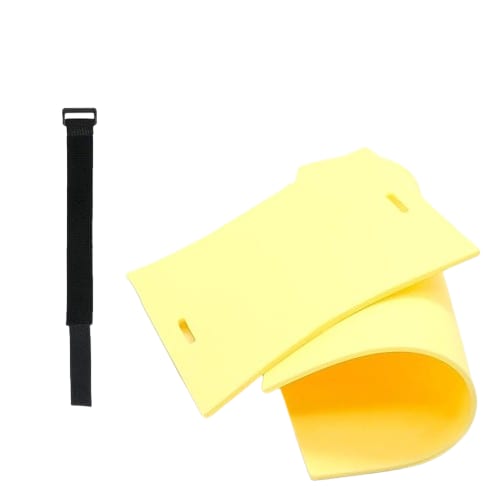
Because the ink barely shows in normal light, you cannot judge your lines or saturation without a blacklight at the station. Artists who do this work set up a UV lamp they can switch on to check coverage, and they use single-use caps and fresh needles as with any ink. Practice the technique on synthetic skin before a client; the practice skin with straps at Miami Tattoo Supplies starts at $7.50 at the time of writing (November 2026), and the practice skin guide compares options.
Is UV tattoo ink safe?
No one can honestly guarantee it. What can be said precisely:
- It is not FDA approved. No tattoo ink is. The FDA states that although a number of color additives are approved for use in cosmetics, none is approved for injection into the skin.
- The FDA does not address UV inks specifically. Its tattoo fact sheet and its tattoo and permanent makeup page do not mention UV or blacklight inks. We found no FDA statement evaluating them.
- General ink risks still apply. The FDA's main documented concern with tattoo ink is microbial contamination; its 2024 guidance covers all tattoo inks and recommends manufacturers test ink components and validate sterilization.
- EU rules apply to UV inks too. In the EU, REACH entry 75 restricts hazardous substances in every ink sold "for use in tattoos or permanent make-up," UV or not.
Practical consequence: UV ink is a less-documented product than the standard ink on your shelf. Treat it that way.
What to check before you use UV ink
- The maker and the SDS. Buy only from an identifiable manufacturer that publishes a safety data sheet naming the pigments. Avoid unbranded UV ink sold online.
- Sealed, dated, lot-numbered bottles. The same standard as any ink; see does tattoo ink expire.
- Your state's rules. Tattooing is regulated by state and local governments, not the FDA; nothing about UV ink changes your licensing or sanitation obligations.
- Informed client consent. Explain what the ink is, that it is not FDA approved, that it is less studied, and what an invisible design will look like in daylight.
- A test. Tattoo it on practice skin and check it under the blacklight you will actually use.
Where to get UV ink
Buy it the same way as any ink: from an identifiable maker, through a supplier that can tell you the brand and lot. UV availability varies, so contact Miami Tattoo Supplies before you book UV work rather than promising a client a date. For the wider regulatory picture, see tattoo ink safety and regulations; for what standard inks contain, see what tattoo ink is made of.
The bottom line
UV ink works through fluorescence and can look striking under blacklight, but it carries less safety documentation than standard ink and no regulator has approved it. Use it only from a documented maker, with informed consent, after practice.
Gear mentioned
Products from the Miami Tattoo Supplies catalog, the publisher of this site. Check current price and stock on the store.
HQ Silicone Practice Skin with Straps 8x8
View at Miami Tattoo Supplies: HQ Silicone Practice Skin with Straps 8x8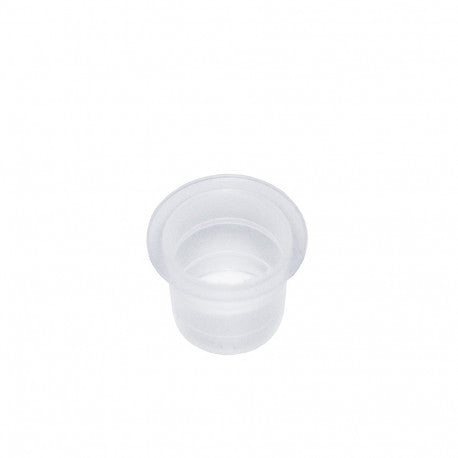
Ink Caps (#9) Small For Tattoo Ink-Cups
View at Miami Tattoo Supplies: Ink Caps (#9) Small For Tattoo Ink-Cups
Frequently asked questions
Is UV tattoo ink FDA approved?
No. No tattoo ink is FDA approved. The FDA states that no color additive is approved for injection into the skin, and it does not review tattoo inks before sale. Any UV ink marketed as "FDA approved" is misdescribed.
Do UV tattoos show in daylight?
It depends on the ink. Visible UV colors look like ordinary colors in daylight and glow under blacklight. "Invisible" UV ink is meant to show faintly or not at all in daylight and glow under blacklight. Check the maker's description for each color.
Is UV ink the same as glow-in-the-dark ink?
No. UV ink is fluorescent: it glows only while ultraviolet light shines on it. Glow-in-the-dark ink is phosphorescent: it stores light and keeps glowing for a time in the dark. The two are often confused in marketing.
Can UV tattoo ink cause reactions?
Any tattoo ink can cause reactions, and UV inks are less studied than standard inks, so there is less information to judge by. Ask the maker for its safety data sheet, tell the client, and refer any client with a rash, swelling or bumps at the tattoo to a doctor.
How do you see invisible UV ink while tattooing?
With a blacklight at the station. Artists switch the UV lamp on to check lines and saturation as they work, because the ink barely shows in normal light. Practice on synthetic skin first, under the same lamp, to learn how the ink looks going in.
Sources
- FDA — Tattoos and Permanent Makeup: Fact Sheet
- FDA — Tattoos, Temporary Tattoos and Permanent Makeup
- FDA — Guidance for Industry: Insanitary Conditions in the Preparation, Packing, and Holding of Tattoo Inks (October 2024)
- Commission Regulation (EU) 2020/2081, Annex XVII entry 75 (text as published on legislation.gov.uk)