Tattoo Ink Safety: What the FDA and EU REACH Rules Mean
Short answer
Is tattoo ink safe and FDA approved?
No tattoo ink is FDA approved. The FDA regulates tattoo ink as a cosmetic and states that no color additive is approved for injection into the skin; it does not review inks before sale. Its main safety concern is microbial contamination, addressed in nonbinding 2024 guidance, and MoCRA now requires serious adverse event reporting. In the EU, REACH has restricted hazardous substances in tattoo inks since January 2022.
Key takeaways
- "FDA approved" on a tattoo ink is false; the FDA states that no color additive is approved for injection into the skin.
- The FDA regulates the ink; state and local governments regulate tattoo studios and artists.
- Under MoCRA, the company responsible for an ink must report serious adverse events to the FDA within 15 business days.
- EU REACH entry 75 restricts substances in tattoo inks from 4 January 2022 and requires the label statement "Mixture for use in tattoos or permanent make-up."
- Your controls as an artist: sealed, in-date, lot-numbered ink from an identifiable supplier, poured into single-use caps.
On this page 7 sections
"Is this ink FDA approved?" is one of the most common questions clients ask, and the honest answer surprises them: no tattoo ink is. That does not mean ink is unregulated. It means the rules work differently from what the question assumes. This guide is published by Miami Tattoo Supplies, which sells professional inks in its tattoo ink collection, and the rules in it are built only from the FDA's and the EU's own texts.
Is tattoo ink FDA approved?
No. Under US law tattoo inks are cosmetics, and the pigments in them are color additives. The FDA's fact sheet states that although a number of color additives are approved for use in cosmetics, none is approved for injection into the skin. The FDA does not review or approve tattoo inks before they are sold. Any ink marketed as "FDA approved" is misdescribed.
The FDA also states that using an unapproved color additive in a tattoo ink makes the ink adulterated, but that it has not traditionally enforced that requirement for tattoo pigments. Its fact sheet adds that some pigments used in tattoo inks are industrial-grade colors suitable for printers' ink or automobile paint, which is why provenance matters.
Who regulates what?
| Who | What they regulate | Example |
|---|---|---|
| FDA | The ink, as a cosmetic | Contamination, labeling, recalls, adverse event reports |
| State and local governments | The practice of tattooing | Artist licenses, studio permits, sanitation rules |
| EU (REACH) | Chemicals in inks sold in the EU | Restricted substances and label wording |
The FDA says so directly in its 2024 guidance: state and local jurisdictions generally regulate the practice of tattooing, and the FDA does not regulate practices in tattoo parlors. For Florida's rules, see how to get a tattoo license in Florida, and confirm current requirements with your health department.
What is the FDA's main concern with tattoo ink?
Microbial contamination. In October 2024 the FDA issued final guidance, Insanitary Conditions in the Preparation, Packing, and Holding of Tattoo Inks and the Risk of Microbial Contamination. The background it gives:
- In 2012, contaminated tattoo inks caused a multi-state outbreak of nontuberculous mycobacterial skin infections.
- Between 2003 and 2019, tattoo ink firms ran 15 voluntary recalls, 14 of them for microbial contamination; the FDA's announcement of the final guidance counts 18 recalls from 2003 to 2024.
- A 2018 study cited by the FDA found 49% of surveyed tattoo inks on the US market contaminated with microorganisms.
- The FDA found contamination in sealed, unopened bottles.
The guidance recommends that manufacturers test ink components (pigments, water, other solvents) for microbes, keep the manufacturing process from introducing contamination, validate any sterilization method, and hold back any contaminated batch. It is nonbinding, meaning "should" is a recommendation, but ink prepared under insanitary conditions is adulterated under the law.
What did MoCRA change?
The Modernization of Cosmetics Regulation Act of 2022 applies to tattoo ink because tattoo ink is a cosmetic. According to the FDA's MoCRA page, it requires the responsible company to:
- report serious adverse events to the FDA within 15 business days;
- register manufacturing facilities and renew every two years;
- list each marketed product, including ingredients;
- keep records substantiating product safety.
MoCRA also lets the FDA order a mandatory recall when a company refuses a voluntary one, and directs the FDA to write good manufacturing practice rules. It does not introduce pre-market approval: a MoCRA-registered ink is still not "FDA approved."
What does "REACH compliant" mean on a tattoo ink?
REACH is the EU's chemicals regulation. Commission Regulation (EU) 2020/2081 added entry 75 to Annex XVII of REACH, which from 4 January 2022 bars tattoo inks containing restricted substances above set limits from the EU market. Pigment Blue 15:3 and Pigment Green 7 received a derogation until 4 January 2023. Examples of the limits:
| Restricted group | Limit by weight |
|---|---|
| Carcinogens and germ-cell mutagens (cat. 1A, 1B, 2) | 0.00005% |
| Reproductive toxicants (cat. 1A, 1B, 2) | 0.001% |
| Skin sensitisers (cat. 1, 1A, 1B) | 0.001% |
| Mercury | 0.00005% |
| Nickel | 0.0005% |
| Lead | 0.00007% |
Entry 75 also requires the label to state "Mixture for use in tattoos or permanent make-up," give a batch number and list ingredients, and it says unlabeled mixtures shall not be used for tattooing. REACH is EU law and does not apply to US studios. "REACH compliant" on a US bottle, such as Dynamic's Union, Ganga and BLKout blacks, tells you the maker formulated it to that stricter chemical standard. Some artists choose those inks for that reason; they are not required to.
What artists can control
You cannot test ink for microbes at the station, so your controls are buying and handling:
- Buy sealed bottles with a lot number and expiry date, from a supplier you can identify. How to spot counterfeit supplies covers the warning signs.
- Keep SDS sheets for the inks you use.
- Store ink within the maker's temperature range and respect expiry dates; see does tattoo ink expire.
- Pour into single-use caps; never dip into or top up a stock bottle.
- Record the lot numbers used on each client.
- Check FDA recall notices.
Check the lot number and date on every bottle when it arrives. For REACH-compliant blacks, see Dynamic Union Black at Miami Tattoo Supplies and the rest of the Dynamic Color collection.
Gear mentioned
Products from the Miami Tattoo Supplies catalog, the publisher of this site. Check current price and stock on the store.
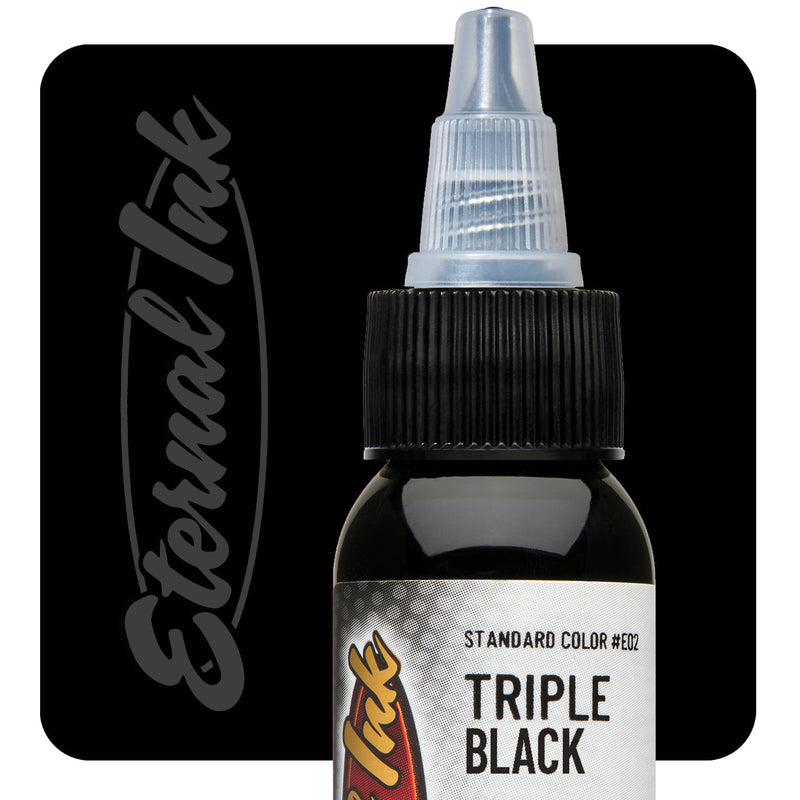
Eternal Ink
Eternal Tattoo Ink - Triple Black
View at Miami Tattoo Supplies: Eternal Tattoo Ink - Triple Black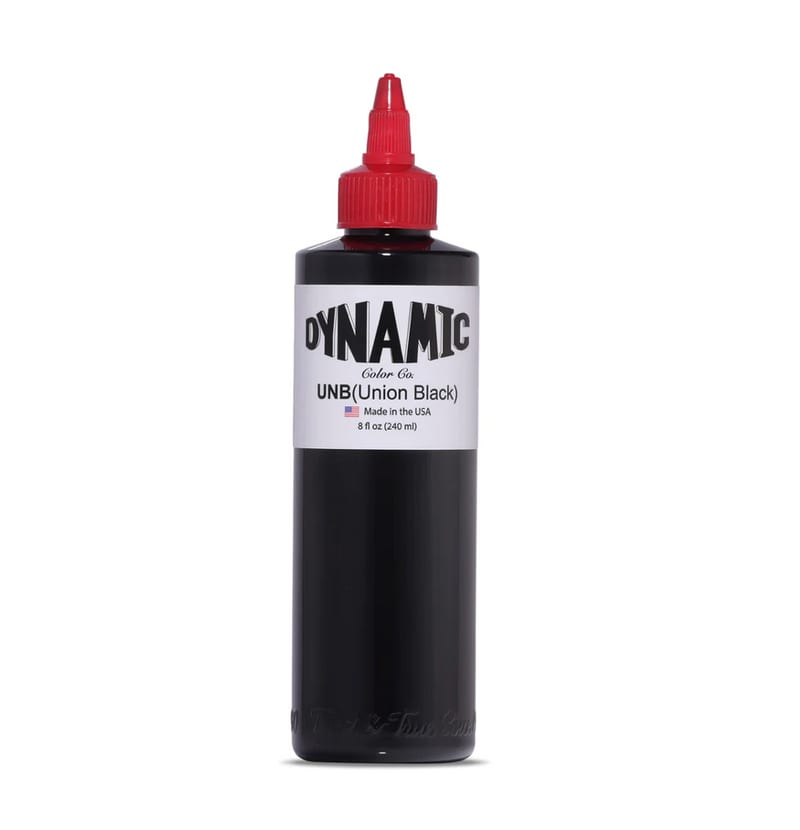
Dynamic Color
Dynamic Union Black Tattoo Ink - 8oz Bottle
View at Miami Tattoo Supplies: Dynamic Union Black Tattoo Ink - 8oz Bottle
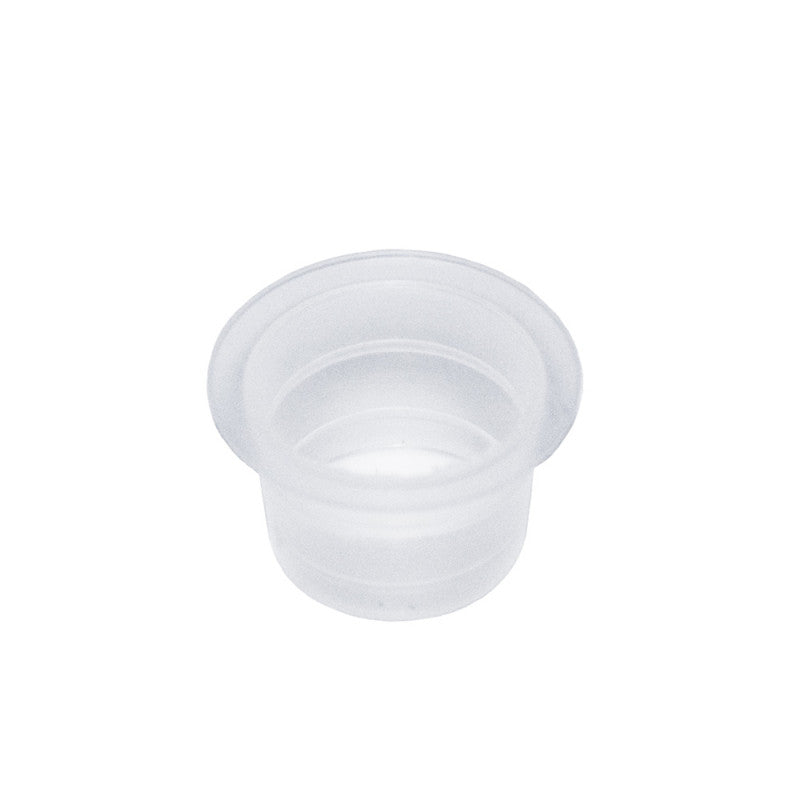
Ink Caps (#14) Medium For Tattoo Ink-Cups
View at Miami Tattoo Supplies: Ink Caps (#14) Medium For Tattoo Ink-Cups
Frequently asked questions
Is there any FDA-approved tattoo ink?
No. The FDA states that no color additive is approved for injection into the skin, and it does not approve tattoo inks before sale. Some inks are sold as compliant with FDA labeling rules or registered under MoCRA, but neither means FDA approval.
Does the FDA regulate tattoo artists?
No. The FDA regulates tattoo ink as a cosmetic. Licensing artists, permitting studios and setting sanitation rules is done by state and local governments, which is why requirements differ from state to state. Check your state or county health department for the rules that apply to you.
What is MoCRA and does it apply to tattoo ink?
MoCRA is the Modernization of Cosmetics Regulation Act of 2022. It applies to tattoo ink because tattoo ink is a cosmetic. It requires the responsible company to report serious adverse events within 15 business days, register facilities, list products and keep safety records. It does not create FDA approval.
Is REACH-compliant tattoo ink safer?
It meets the EU's limits on restricted chemicals, such as carcinogens, sensitisers and heavy metals, so it is held to a stricter chemical standard than US law requires. REACH does not address microbial contamination, which is the FDA's main concern, so sterility and handling still matter.
How do I report a reaction to tattoo ink?
Through the FDA's MedWatch voluntary reporting form, online or on paper, or the FDA's cosmetics complaint line listed on its reporting page. Include the brand, color and lot number. The client should see a doctor about the reaction itself.
Sources
- FDA — Tattoos and Permanent Makeup: Fact Sheet
- FDA — Guidance for Industry: Insanitary Conditions in the Preparation, Packing, and Holding of Tattoo Inks (October 2024)
- FDA — FDA Issues Final Guidance on Tattoo Inks
- FDA — Modernization of Cosmetics Regulation Act of 2022 (MoCRA)
- FDA — How to Report a Cosmetic Product Related Complaint
- Commission Regulation (EU) 2020/2081, Annex XVII entry 75 (text as published on legislation.gov.uk)