
Tattoo Ink on Dark Skin: Which Colors Show and How to Plan Them
Short answer
What tattoo ink works best on dark skin?
On darker skin, the ink that reads best is the ink with the most contrast against the client's skin: black first, then deep, saturated colors such as strong reds, blues, greens and purples. Light colors, pastels and white read closer to the skin tone once healed. The fix is design and color choice, bold lines and open spacing, not tattooing deeper or harder.
Key takeaways
- Tattoo ink sits in the dermis, below the epidermis, where the skin's melanin-producing cells are; every tattoo is seen through that layer.
- Contrast decides legibility: the darker the skin, the narrower the usable range of light values.
- Depth and hand pressure should not change with skin tone; overworking causes trauma, not brighter color.
- Plan bolder lines, simpler value structures and more open space between elements, and show clients healed work on similar skin.
- Ask every client about keloid history; DermNet notes keloids are more common in darker skin types.
On this page 6 sections
Every artist tattoos clients across the full range of skin tones, and a lot of the advice passed around about darker skin is either vague or wrong. The useful version is technical: how light passes through skin, where the ink sits, and how to plan contrast so the healed tattoo reads the way the client expects. This guide is published by Miami Tattoo Supplies; the blacks and saturated colors it recommends are in the tattoo ink collection at Miami Tattoo Supplies.
How does skin tone affect tattoo ink?
Every tattoo is seen through a layer of the client's own skin. Ink is deposited in the dermis, the layer below the epidermis (how deep a tattoo needle should go covers the figures). Above it is the epidermis, and the National Cancer Institute notes that melanocytes, the cells that make melanin, sit in the lower part of the epidermis. So light reaching the ink, and coming back from it, passes through the skin's own pigment.
Skin tone is largely a matter of how much and which kind of melanin the skin makes. MedlinePlus explains that melanocytes produce two forms, eumelanin and pheomelanin, and that skin rich in eumelanin is darker. DermNet's skin phototype reference (the Fitzpatrick scale, types I to VI) ties phototype to the amount of melanin in the skin, from type I, pale skin that always burns, to type VI, dark brown or black skin that never burns.
The practical result: the more melanin above the ink, the more the skin's own color filters what the client sees. Dark inks keep their contrast; light inks lose it.
What tattoo ink colors work best on dark skin?
The colors that contrast most with the client's skin. In order of reliability:
| Ink | How it reads on darker skin | Use it for |
|---|---|---|
| Black | Highest contrast on every skin tone | Linework, shading, the structure of the design |
| Deep, saturated colors (strong reds, blues, greens, purples) | Hold color identity well | Main color fields |
| Mid-tone colors | Readable, but contrast drops as skin deepens | Secondary fields, next to black |
| Pastels, light tints, yellow | Read close to the skin tone | Small accents inside dark outlines |
| White | Lowest contrast | Small highlights, not main elements |
This is not a rule that darker-skinned clients cannot have color; they can, and healed color work on deep skin tones proves it. It is a rule about contrast. Pick colors darker or more saturated than the skin, and test lighter ones before committing to them in a large area. Our black ink guide covers the blacks, and white ink explains why white heals softer on every skin.
Technique: what actually changes
What does not change: depth and force
Tattooing deeper or working the skin harder does not make ink brighter on darker skin. Ink still belongs in the dermis at the same depth; going deeper risks blowouts, and overworking causes trauma and scarring. Saturate properly and move on, exactly as on any other skin.
What does change: design and contrast
- Bolder lines. Thin lines and tiny lettering lose definition faster when contrast is lower. Size the design so the smallest details still read.
- A simpler value structure. Darker skin compresses the usable range of light values, so grey work reads better with fewer, more separated values and strong black anchoring the shadows.
- More open space. Leave wider gaps of untouched skin between elements; the skin itself becomes the lightest value in the design.
- Outline color. Black outlines around color fields keep them legible as the tattoo ages.
Test before committing
For a light or unusual color on a large piece, some artists place a small test of the color in an inconspicuous spot and check it once healed. Showing the client healed work on a similar skin tone, not fresh photos, sets honest expectations. The video above from Fireside Tattoo Network covers more of the technique.
Keloids and healing
Ask every client about scarring history before you start. DermNet notes that keloids, raised scars that grow beyond the original wound, are more common in people with darker skin types (Fitzpatrick III to VI) and occur after skin injury. A tattoo is a skin injury, so a client with a history of keloids should talk to a doctor before getting tattooed. Healing timelines and aftercare are in tattoo healing stages.
Practicing color on different skin tones
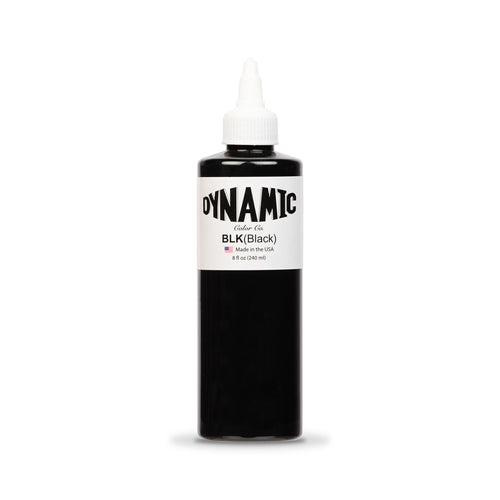
Practice skin in a single tone teaches you little about contrast on other skin tones. A Pound of Flesh makes synthetic practice pieces in several Fitzpatrick skin tones as well as body-part forms such as the tattooable synthetic foot at Miami Tattoo Supplies; which tones are available varies, so check the store. Best practice skin compares the options. For the ink side, Dynamic Black at $9 for 1 oz at the time of writing is an inexpensive base for line and contrast practice.
Watch
Gear mentioned
Products from the Miami Tattoo Supplies catalog, the publisher of this site. Check current price and stock on the store.
Dynamic Color
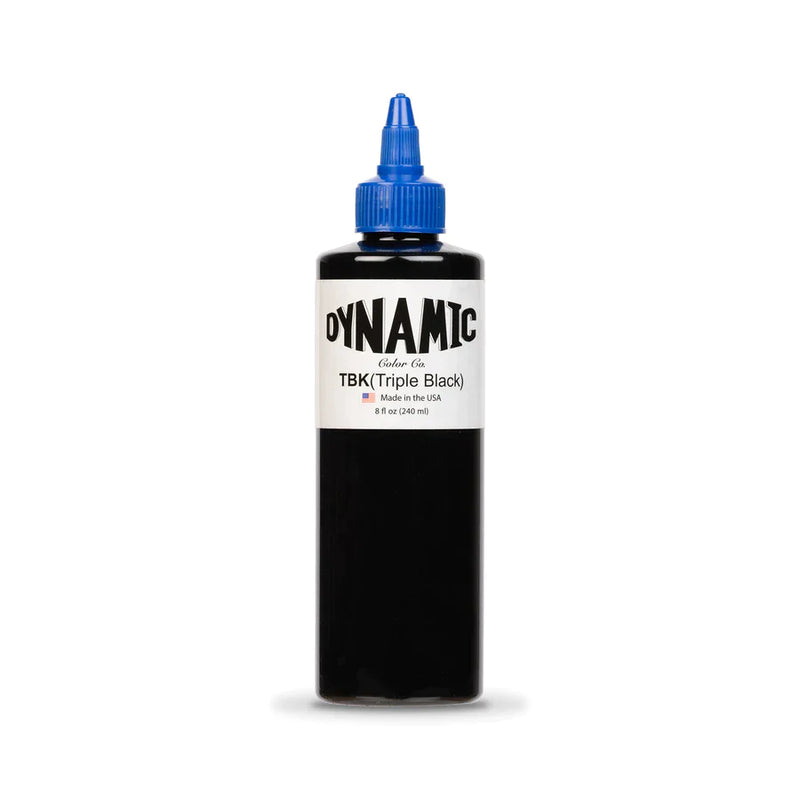
Dynamic Color - Triple Black
View at Miami Tattoo Supplies: Dynamic Color - Triple Black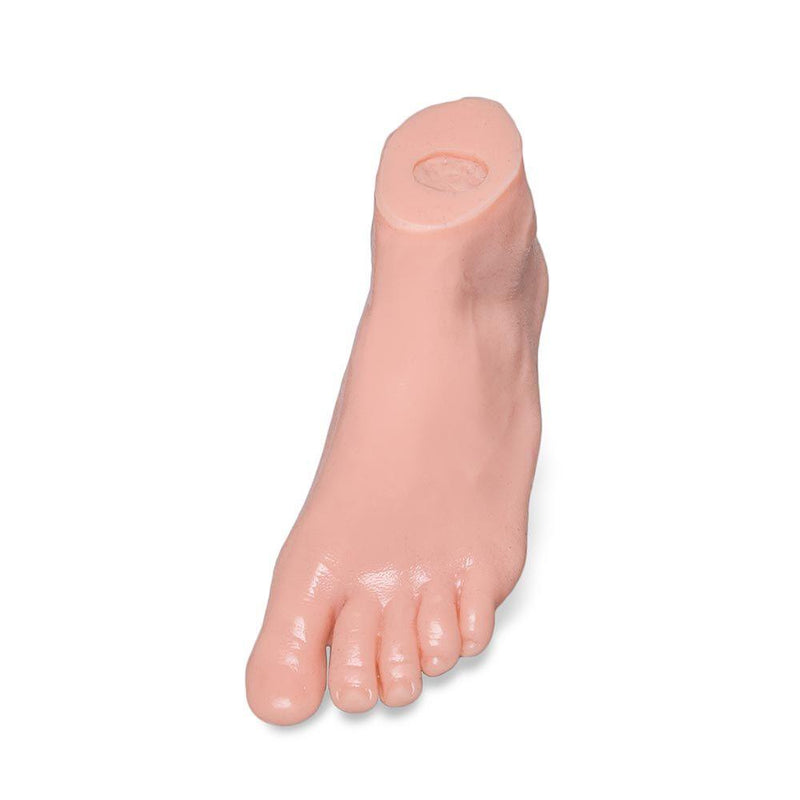
Pound of Flesh
A Pound of Flesh Silicone Synthetic Foot - Right or Left
View at Miami Tattoo Supplies: A Pound of Flesh Silicone Synthetic Foot - Right or Left
Frequently asked questions
Can you put color tattoos on dark skin?
Yes. Color shows on dark skin when it contrasts with the skin tone. Deep, saturated colors keep their identity; pastels, light tints and white read closer to the skin once healed. Plan the design around strong values, use black to structure it, and test light colors before using them in large areas.
Does white ink show on dark skin?
It shows, but with low contrast, so it reads as a lighter tone of the skin rather than bright white. White works best as small highlights inside a design built on dark values. It heals softer than it looks fresh on every skin tone, darker skin included.
Should you tattoo deeper on dark skin?
No. Ink belongs in the dermis at the same depth regardless of skin tone. Going deeper risks blowouts and scarring, and working the skin harder causes trauma without making color brighter. Legibility on darker skin comes from contrast, design and saturation, not depth.
What is the best black ink for dark skin?
Any well-saturated professional black gives the highest contrast available on any skin. Dynamic Black and Triple Black are common, inexpensive choices; the best black article compares others. What matters most is full saturation and clean, bold linework.
Do tattoos on darker skin heal differently?
The healing process is the same, but darker skin types are more prone to keloids, according to DermNet. Ask about scarring history before tattooing, give clear aftercare instructions, and refer any client with unusual raised scarring, spreading redness or swelling to a doctor.
Sources
- National Cancer Institute — Melanoma Treatment (PDQ), patient version: skin layers and melanocytes
- MedlinePlus Genetics — MC1R gene (eumelanin and pheomelanin)
- DermNet — Skin phototype
- DermNet — Hypertrophic scars and keloids
- FDA — Guidance for Industry: Insanitary Conditions in the Preparation, Packing, and Holding of Tattoo Inks (October 2024)