
Tattoo Healing Stages: A Week-by-Week Timeline
Short answer
How long does a tattoo take to heal?
A tattoo usually looks healed on the surface in about two to four weeks, once scabbing and flaking stop, but the top layer of skin is typically healed only by around two months and the deeper layers take several more months. Expect oozing in the first days, then itching, flaking and light scabbing through weeks one to four. Large or chest and back tattoos heal more slowly. Spreading redness, worsening pain, pus or fever need a doctor.
Key takeaways
- Days 1 to 3: oozing of plasma, blood and ink, redness and soreness are normal.
- Weeks 1 to 4: itching, flaking and light scabbing; do not pick or scratch. Flaking usually eases around week three.
- By about two months the top layer is usually healed; deeper layers can take several months more.
- Size and placement change the timeline: hands, wrists and arms usually heal faster than chest or back.
- Redness that spreads or darkens, worsening pain, pus or fever are signs of infection: see a doctor right away.
On this page 5 sections
A tattoo is a wound made on purpose, and it heals like one: first it weeps, then it closes, then it flakes, then the skin underneath rebuilds. Knowing what each stage looks like tells clients what is normal and tells artists when a call from a client needs a doctor rather than reassurance. This timeline follows Cleveland Clinic's dermatology guidance and the American Academy of Dermatology. It is published by Miami Tattoo Supplies, which sells the washes, balms and lotions it mentions in its tattoo aftercare collection, and it is general information, not medical advice.
How long does a tattoo take to heal?
Two answers, because skin heals in layers. The surface usually settles within about two to four weeks, when scabbing and flaking die down. Cleveland Clinic's guidance is that by the two-month mark the top layer of skin is usually healed, while the bottom layers can take several more months to heal completely.
Size and placement change the timeline. Large pieces can take a few months, and Cleveland Clinic notes that small tattoos on the hands, wrists or arms usually heal faster than those on the chest or back.
The stages, week by week
| Stage | Roughly when | What is normal | What to do |
|---|---|---|---|
| Fresh | First days | Oozing of blood, plasma and ink; redness and soreness | Keep the dressing on as directed, then wash gently twice a day |
| Itch and flake | Weeks 1 to 2 | Itching, flaking, scabs, mild oozing, soreness, redness | Wash and moisturize twice a day; loose, breathable clothing |
| Easing | Weeks 2 to 4 | Scabbing and flaking lessen, around week three | Keep washing and moisturizing; do not pick scabs |
| Surface healed | Week 5 to about 2 months | Top layer usually healed by two months | Daily cleansing can stop; moisturize as needed |
| Deep healing | 2 months onward | Deeper layers still healing for several months | Sun protection from now on |
First days: oozing and soreness
The fresh tattoo seeps a mix of blood, plasma and ink, which Cleveland Clinic describes as normal along with soreness and redness. If the artist applied a film bandage, the fluid collects under it; follow the bandage maker's wear time, explained in the second skin bandage guide. Otherwise, wash gently with warm, not hot, water and a mild, fragrance-free antibacterial soap, and pat dry with a clean paper towel.
Weeks one to four: itching, flaking and scabs
Itching, flaking and light scabbing are part of normal healing. Cleveland Clinic advises washing and moisturizing twice a day through this stage and not picking at scabs; around three weeks, the scabbing and flaking should lessen.
Keep it out of baths, pools, hot tubs and similar water until it is fully healed, and out of direct sun. Cleveland Clinic also says not to put sunscreen on the tattoo until it has healed, so cover it with loose clothing instead.
Weeks four to eight: settling
The surface is closed and flaking has stopped. Cleveland Clinic says daily cleansing of the tattoo can stop once the top layer has healed, while moisturizer can continue as needed. For moisturizer, AAD recommends a water-based lotion or cream on dry tattooed skin and notes that petroleum-based products such as petroleum jelly can cause the ink to fade.
Two months onward: deep healing and long-term care
The tattoo looks finished but the skin underneath is still rebuilding. From here, the main long-term job is sun protection: AAD recommends a broad-spectrum, water-resistant sunscreen with SPF 30 or higher on tattooed skin, or clothing that covers it.
Normal healing or a problem?
Most of what alarms clients in the first two weeks is normal. What is not:
| Normal | See a doctor |
|---|---|
| Redness and warmth around the tattoo that fade day by day | Redness that spreads or gets darker instead of fading |
| Soreness that eases | Pain that keeps getting worse |
| Clear or ink-colored seepage in the first days | Pus, odor, or significant drainage |
| Itching and flaking | Fever, chills, or skin hot to the touch |
| Light scabs | Red streaks running from the tattoo |
AAD lists the signs of infection as redness that becomes darker or spreads, pain that continues or worsens, pus in the tattoo and fever, and advises seeing a doctor or a board-certified dermatologist right away; the sooner treatment starts, the less damage it can do. Cleveland Clinic adds skin that is hot to the touch, odor or significant drainage, and red streaks or spreading redness.
For ingredient and regulatory background on pigments, see tattoo ink safety and regulations.
What helps healing go to plan
- Following the artist's written instructions, which Florida, for example, requires artists to give both verbally and in writing. A template is in tattoo aftercare instructions for clients.
- Clean hands before every touch, gentle washing, thin layers of moisturizer.
- No picking, scratching, soaking or sun until healed.
Products for each stage, including fragrance-free washes, petroleum-free balms and lotions and sunscreen for healed tattoos, are compared in best tattoo aftercare products. For the healed stage, the Hustle Butter SPF 50 mineral sunscreen stick is listed at $20 at the time of writing (November 2026).
Gear mentioned
Products from the Miami Tattoo Supplies catalog, the publisher of this site. Check current price and stock on the store.
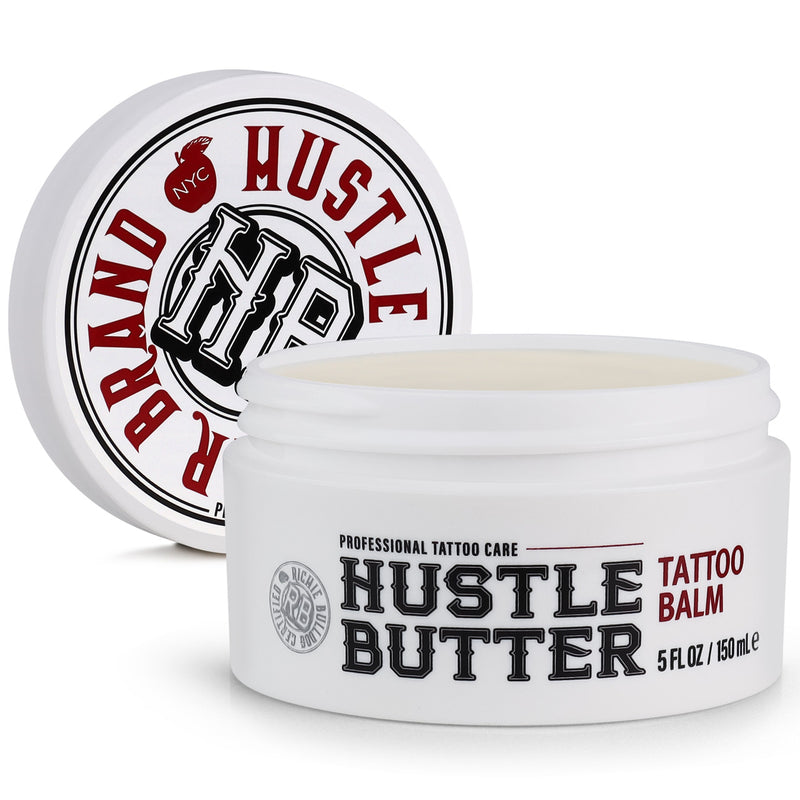
Hustle Butter
Hustle Butter Deluxe Tattoo Balm
View at Miami Tattoo Supplies: Hustle Butter Deluxe Tattoo Balm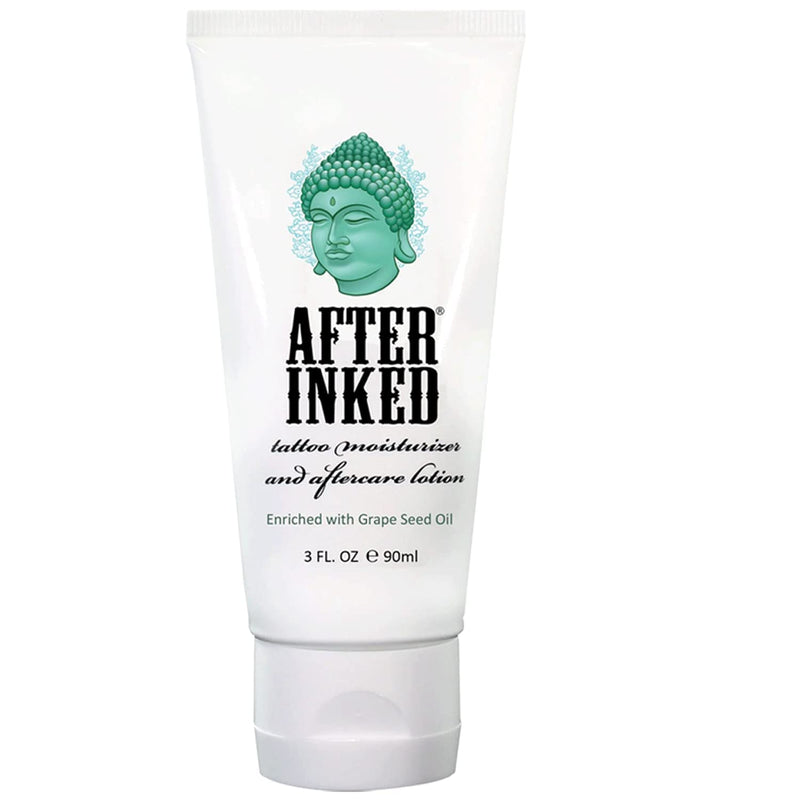
After Inked
After Inked Tattoo Aftercare Moisturizer Lotion 3oz Tube
View at Miami Tattoo Supplies: After Inked Tattoo Aftercare Moisturizer Lotion 3oz Tube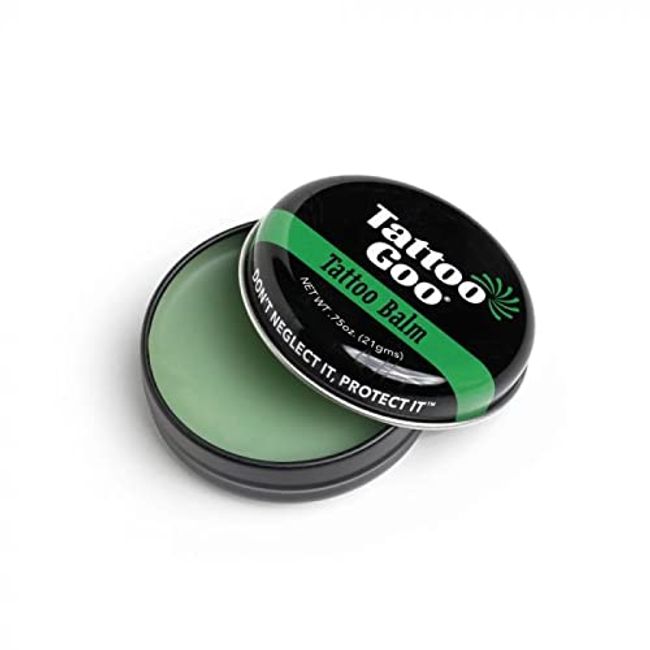
Tattoo Goo Original Single After Care Tins
View at Miami Tattoo Supplies: Tattoo Goo Original Single After Care Tins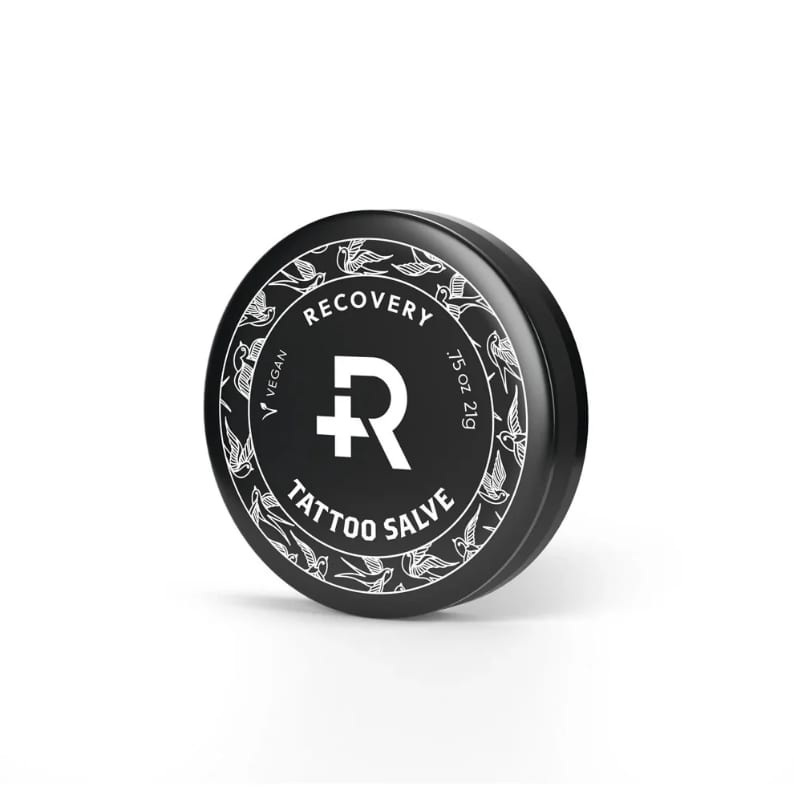
Recovery
Recovery Tattoo Salve - 0.75oz Tins
View at Miami Tattoo Supplies: Recovery Tattoo Salve - 0.75oz Tins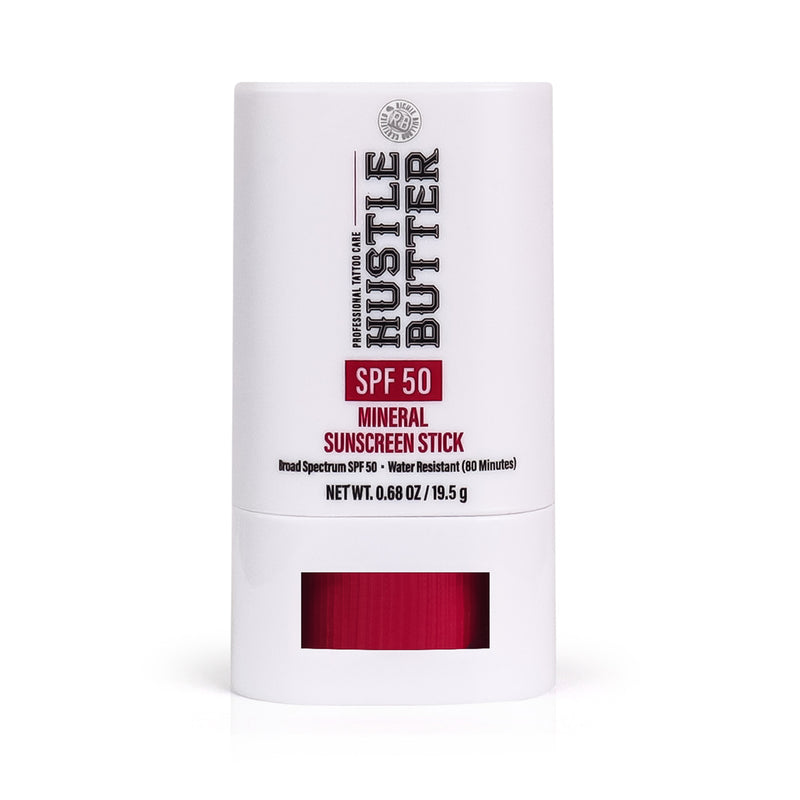
Hustle Butter
Hustle Butter Mineral Sunscreen Stick SPF 50 - 0.68 oz
View at Miami Tattoo Supplies: Hustle Butter Mineral Sunscreen Stick SPF 50 - 0.68 oz
Frequently asked questions
When can I swim after a tattoo?
Not until it has fully healed. Cleveland Clinic advises keeping a healing tattoo out of pools, hot tubs, bathtubs and similar water until then. Large pieces take longer to heal, so the wait is longer too. If in doubt, ask your artist before you swim.
Is it normal for a tattoo to peel?
Yes. Flaking and light scabbing are a normal part of the first weeks, and Cleveland Clinic expects them to lessen around week three. Let the flakes come off on their own: do not pick, peel or scratch, and keep washing and moisturizing gently. If peeling comes with spreading redness, pus or worsening pain, see a doctor.
Is it normal for a tattoo to itch?
Yes. Itching is common in the first few weeks as the skin heals and flakes. Do not scratch or pick; a thin layer of moisturizer usually helps. Itching with a spreading rash, raised bumps or swelling beyond the tattoo is different and should be checked by a doctor.
When can I put sunscreen on a new tattoo?
Cleveland Clinic advises against applying sunscreen to the tattoo until it has fully healed; keep it covered with loose clothing and out of direct sun until then. After that, AAD recommends broad-spectrum, water-resistant sunscreen with SPF 30 or higher to protect the skin and the ink.
How do I know if my tattoo is infected?
Watch for redness that spreads or darkens instead of fading, pain that worsens, pus, odor, red streaks, skin hot to the touch, fever or chills. Any of these means seeing a doctor or a board-certified dermatologist right away. Infection can appear in the first days or later on.